Skip to content
Tap to Lanka
Back to your trip

Ibbankatuwa Megalithic Tombs

Dambulla, Matale District

Get directions

Ibbankatuwa Megalithic Tombs is an important ancient burial site in Sri Lanka, dating to the Early Iron Age and protohistoric period. It is famous for its stone burial chambers, ancient pottery, urn burials and archaeological discoveries that provide information about early Sri Lankan communities.

Best time to visit
February to September is generally a suitable period for visiting. Morning hours are recommended to avoid the midday heat. Weather conditions can vary, especial
Opening hours
approximately 8:00 AM–5:00 PM.
Time needed
Approximately 30–60 minutes. Visitors interested in archaeology and history may

Highlights

  • Ancient stone cist tombs; prehistoric and Early Iron Age heritage; terracotta burial urns; ancient pottery and beads; archaeological discoveries; evidence of ancient burial customs; peaceful historical surroundings; educational and cultural experience.

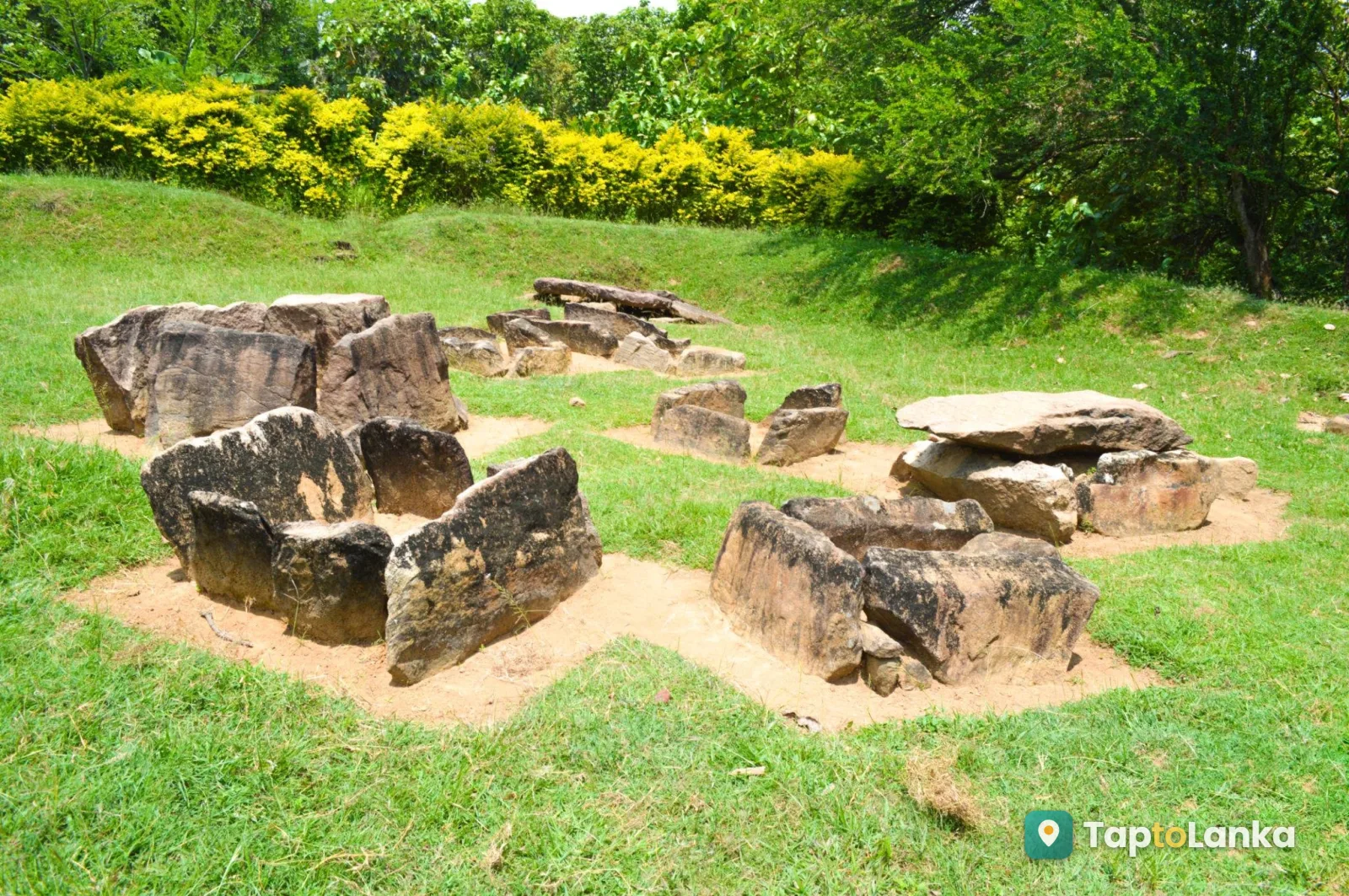
Ibbankatuwa Megalithic Tombs is one of the largest and best-preserved ancient burial grounds in Sri Lanka. It is located near Ibbankatuwa Wewa, approximately 3–5 km southwest of Dambulla town along the Kurunegala–Dambulla road. The site belongs to Sri Lanka's Early Iron Age and protohistoric period, with evidence generally dated to the first millennium BC. Archaeological research began in 1970, and further excavations were carried out during the 1980s, 1990s and 2015. The cemetery contains clusters of megalithic cist tombs constructed using large stone slabs. A typical tomb consists of a floor slab, four upright stone slabs forming a rectangular chamber and a large capstone covering the top. Both cist burials and urn burials have been identified. Excavations uncovered cremated human remains, terracotta urns, pottery, iron objects, beads, jewellery and other grave goods. These discoveries provide valuable evidence about ancient burial customs, craftsmanship, social organisation and possible trade connections of early Sri Lankan communities.
Photos

How to get there

From Dambulla town, travel approximately 3–5 km southwest along the Kurunegala–Dambulla road towards Ibbankatuwa. Visitors can reach the site by private vehicle, tuk-tuk or local transport. From Kandy, travel towards Dambulla via Matale. From Kurunegala, travel along the Kurunegala–Dambulla road. Look for signs or ask locally for the Ibbankatuwa archaeological site.

Tips for visitors

Wear comfortable walking shoes; carry drinking water, sunscreen and a hat; visit in the morning to avoid strong sunlight; consider asking a local guide or caretaker about the tombs; do not climb on or disturb the stone structures; do not remove pottery or archaeological objects; respect the protected archaeological environment; check opening hours and entrance fees before travelling.

Frequently asked questions

Where are the Ibbankatuwa Megalithic Tombs located?

The Ibbankatuwa Megalithic Tombs are located near Ibbankatuwa Wewa, approximately 3–5 km southwest of Dambulla town in the Matale District of Sri Lanka.

How old are the Ibbankatuwa Megalithic Tombs?

The burial site belongs to Sri Lanka's Early Iron Age and protohistoric period and is generally dated to the first millennium BC.

What is a megalithic tomb?

A megalithic tomb is an ancient burial structure built using large stones. At Ibbankatuwa, stone slabs form rectangular burial chambers covered by capstones.

What archaeological discoveries were found at Ibbankatuwa?

Archaeologists discovered terracotta urns, cremated human remains, pottery, iron objects, beads, jewellery and other grave goods.

How long does it take to visit the Ibbankatuwa Megalithic Tombs?

Most visitors can explore the site in approximately 30–60 minutes, while history enthusiasts may spend longer.

Visitor reviews

No reviews yet. Been here? Share your tips for other visitors.

Sign in to write a review
Suggest an edit or report wrong info

More places nearby

See all →
Sigiriya Rock Fortress
Historical & heritage sites Must see

Sigiriya Rock Fortress

Sigiriya, Matale District

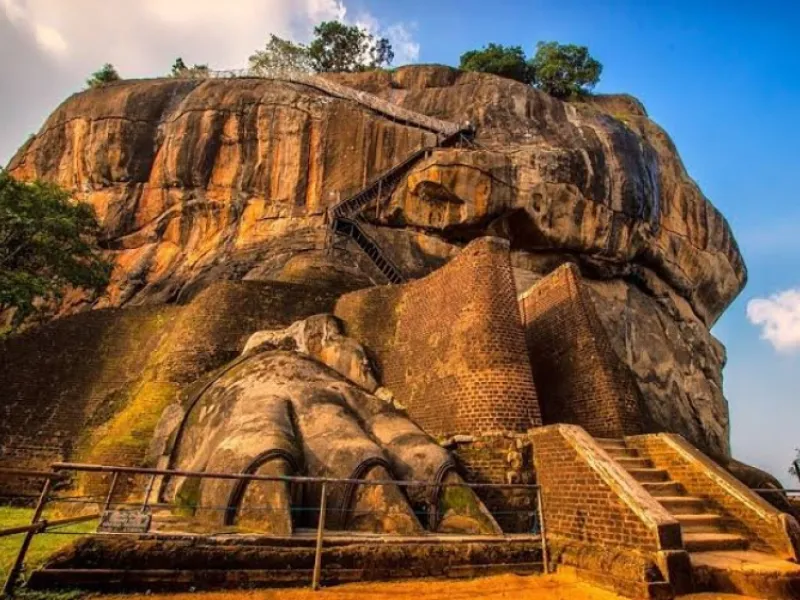
UNESCO-listed ancient rock citadel with frescoes, landscaped gardens and summit ruins.

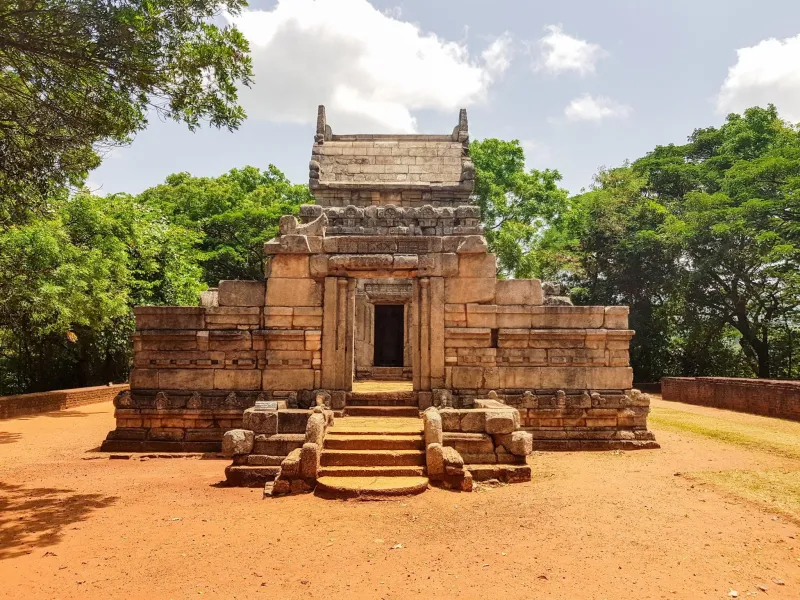
Nalanda Gedige
Historical & heritage sites Must see

Nalanda Gedige

Dambulla, Matale District

Early stone sanctuary showing a distinctive blend of South Asian architectural traditions.

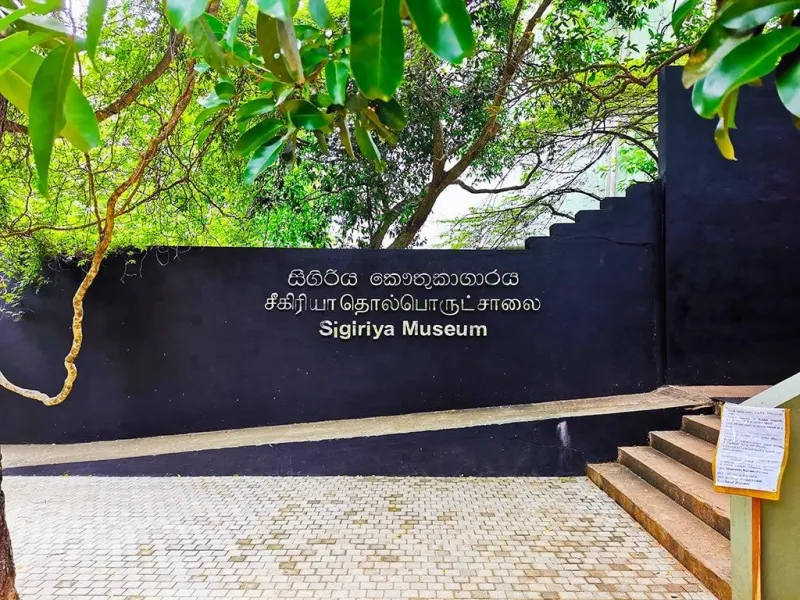
Sigiriya Archaeological Museum
Historical & heritage sites Must see

Sigiriya Archaeological Museum

Sigiriya, Matale District

Sigiriya Archaeological Museum is a modern museum displaying the history, archaeology and cultural heritage of Sigiriya. It features archaeological discoveries, ancient artefacts, photographs, models, sculptures and information about the people and civilisation associated with the ancient site.

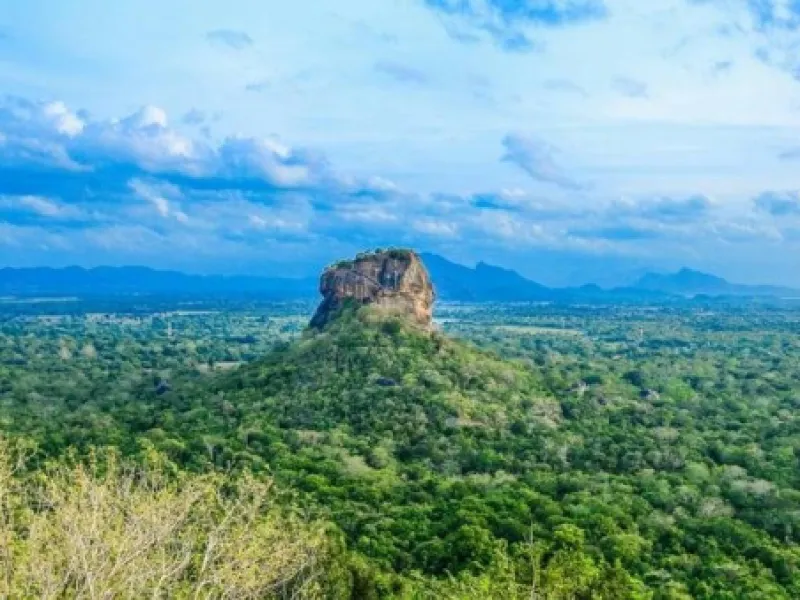
Pidurangala Rock
Mountains, hikes & viewpoints Must see

Pidurangala Rock

Sigiriya, Matale District

Rock hike renowned for open views across Sigiriya and its surrounding plains.

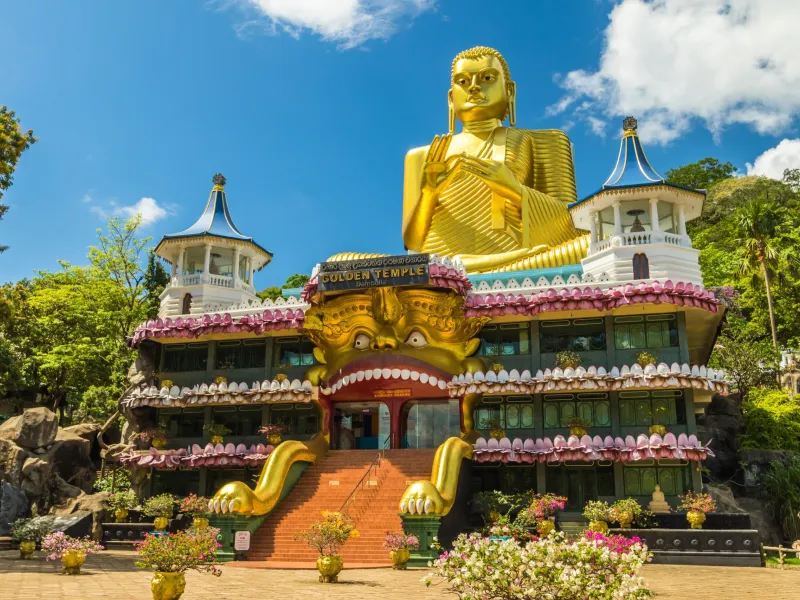
Golden Temple of Dambulla
Buddhist temples Must see

Golden Temple of Dambulla

Dambulla, Matale District

Buddhist temple complex at the base of the Dambulla cave sanctuary.

Riverston Viewpoint
Mountains, hikes & viewpoints Must see

Riverston Viewpoint

Rattota, Matale District

Mountain-road viewpoint overlooking the Knuckles foothills and valleys.

Get directions Plan trip