
National parks & wildlife
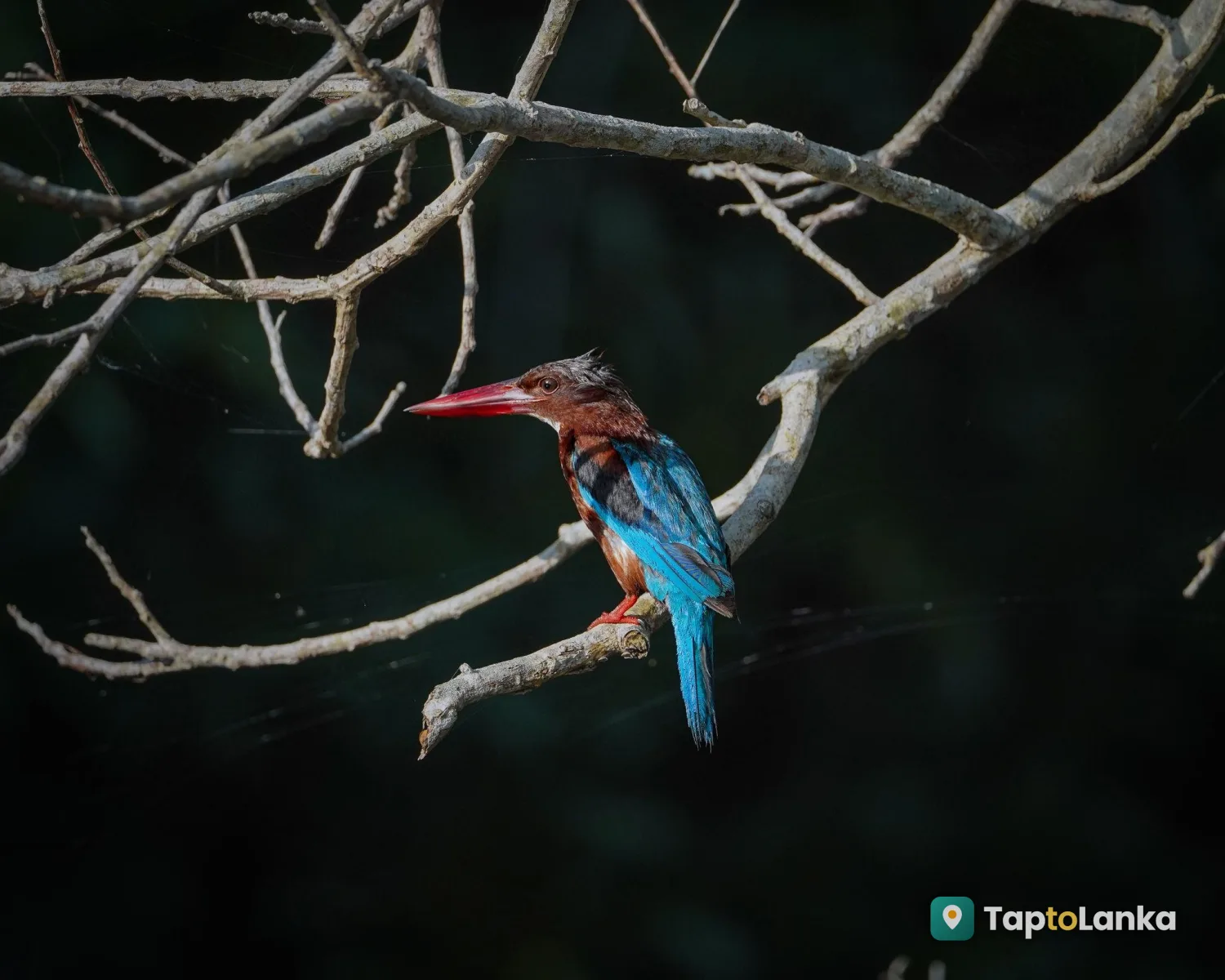
Kamburupitiya, Matara District
Wetland area with birdlife, canals and marsh habitat. Kirala Kele Sanctuary, Kiralakelle Sanctuary, Kirala Kale, Nadugala Marsh-Alternative Names.
Kirala Kele Wetland Sanctuary, also known as Kiralakelle Sanctuary or Nadugala Marsh, is an important protected freshwater wetland located approximately 3 kilometres from Matara town in Sri Lanka's Southern Province. Situated near the lower Nilwala River basin, the sanctuary is recognised for its rich biodiversity, beautiful natural scenery, and important role in maintaining the ecological balance of the region.
Kirala Kele was officially declared a wildlife sanctuary on 8 September 2003. The legally designated sanctuary covers approximately 310 hectares, while the wider wetland landscape extends across an estimated 1,800 hectares. The area includes a diverse collection of freshwater marshes, mangrove-associated vegetation, paddy fields, irrigation canals, small waterways, and wooded habitats.
The sanctuary plays an important role in supporting wildlife, particularly birds. Its combination of shallow water, vegetation, open marshland, and woodland creates feeding, nesting, and resting habitats for many species. Birdwatchers may encounter herons, egrets, kingfishers, waterbirds, and other resident or seasonal species. An ornithological study reported more than 200 bird species recorded from the wider Kirala Kele birdwatching area, demonstrating its importance for avian biodiversity.
In addition to its birdlife, the sanctuary supports a variety of freshwater organisms, insects, amphibians, reptiles, and mammals. Dragonflies and butterflies can be observed around sunny wetland edges, while dense vegetation provides shelter for more elusive wildlife. Sightings depend on the season, time of day, and visitor behaviour.
The landscape is particularly attractive because of its network of canals, reflective water surfaces, reeds, and tropical wetland trees. Visitors interested in nature photography can capture peaceful waterside scenes, birds resting on branches, and lush green vegetation surrounding the waterways.
Kirala Kele also contributes to the surrounding environment by retaining water and supporting the natural hydrology of the lower Nilwala River basin. The wetland provides important ecosystem services, including temporary water storage, habitat protection, and support for local agricultural and fishing activities.
The wider wetland landscape has long been associated with nearby rural communities. Paddy cultivation, fishing, water management, and traditional uses of wetland plants have influenced the area's human history. This relationship between people and nature makes Kirala Kele an interesting destination for environmental education and responsible ecotourism.
Visitors can explore suitable public tracks, observe birds from a respectful distance, and appreciate the quiet natural surroundings. Early morning is especially suitable for birdwatching, when many species are active and temperatures are relatively comfortable. Some paths may become muddy or flooded during periods of heavy rain, making appropriate footwear and local guidance important.
Despite its ecological value, Kirala Kele faces pressures from habitat disturbance, pollution, changes in water quality, and nearby development. Responsible visitors can help protect the sanctuary by staying on established routes, avoiding noise, not disturbing wildlife, and carrying away all waste.
Today, Kirala Kele Wetland Sanctuary remains one of Matara District's important natural attractions. Its combination of birdlife, freshwater habitats, peaceful landscapes, and conservation significance makes it a valuable destination for birdwatchers, photographers, students, researchers, and nature enthusiasts.
Kirala Kele Wetland Sanctuary is located approximately 3 km from Matara town, near Godagama and the lower Nilwala River basin. From central Matara, travel towards the Matara–Akuressa Road or Matara–Hakmana Road and continue towards the sanctuary's wetland access routes. Visitors arriving by train or bus can reach Matara town and hire a tuk-tuk or taxi to the sanctuary. Godagama, near the Southern Expressway interchange, is another useful reference point. Because the wetland covers a large area with multiple tracks, confirm an appropriate public entrance or birdwatching route with a local guide before departing.
Arrive early in the morning for better birdwatching opportunities and cooler temperatures. Carry binoculars, a camera, drinking water, insect repellent, and sun protection. Wear closed walking shoes or waterproof footwear because paths can be muddy and uneven. Stay on established tracks and avoid entering deep marshes or waterways. Watch for snakes and other wildlife, and never approach, feed, or disturb animals. Avoid visiting isolated or flooded tracks alone, particularly after heavy rainfall. Keep noise low while observing birds, do not collect plants or eggs, and respect the protected sanctuary environment. Carry away all litter and check current access conditions with local authorities or experienced guides.
Kirala Kele Wetland Sanctuary is in Kamburupitiya, Sri Lanka. Use the Google Maps link to check the exact approach and current directions.
Experience natural habitats and look for wildlife with an authorised guide where required.
Wildlife sightings and park conditions vary by season; check local guidance.
Hours: To confirm with venue / local authority. Entry fees: To confirm with venue / local authority. Confirm current prices and access rules with the managing authority before visiting.
Travel to Kamburupitiya using local roads or public transport; confirm the final approach and access point on the map before departure. Follow ranger rules; do not feed, approach or disturb wildlife.
No reviews yet. Been here? Share your tips for other visitors.
Sign in to write a review
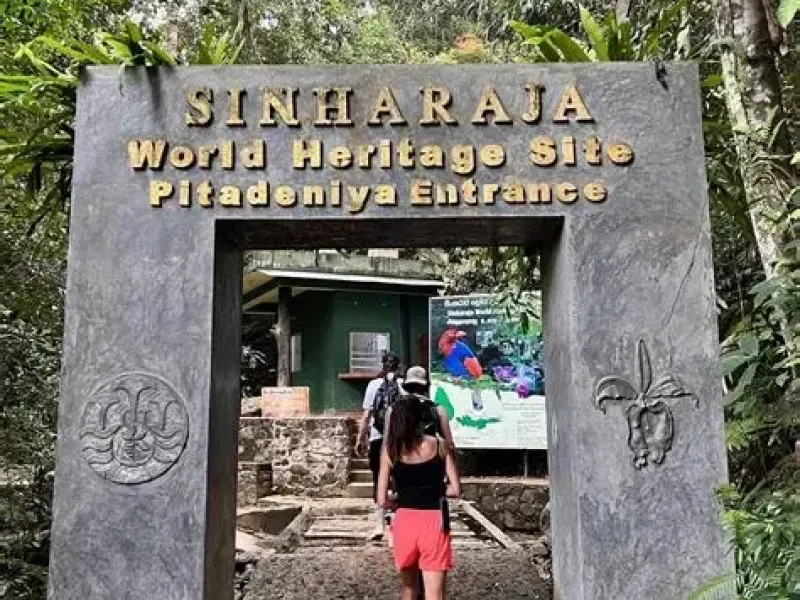
Matara District
Access point for guided rainforest walks in the UNESCO-listed forest region.
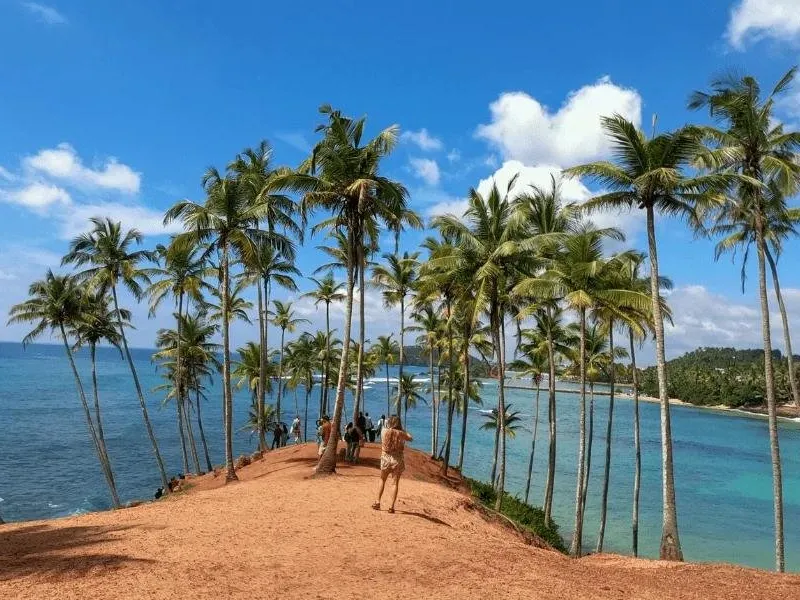
Mirissa, Matara District
Coastal viewpoint overlooking Mirissa's palm-fringed shore. Visitors can enjoy beautiful sunrise and sunset scenery, tropical landscapes, and a peaceful seaside atmosphere.
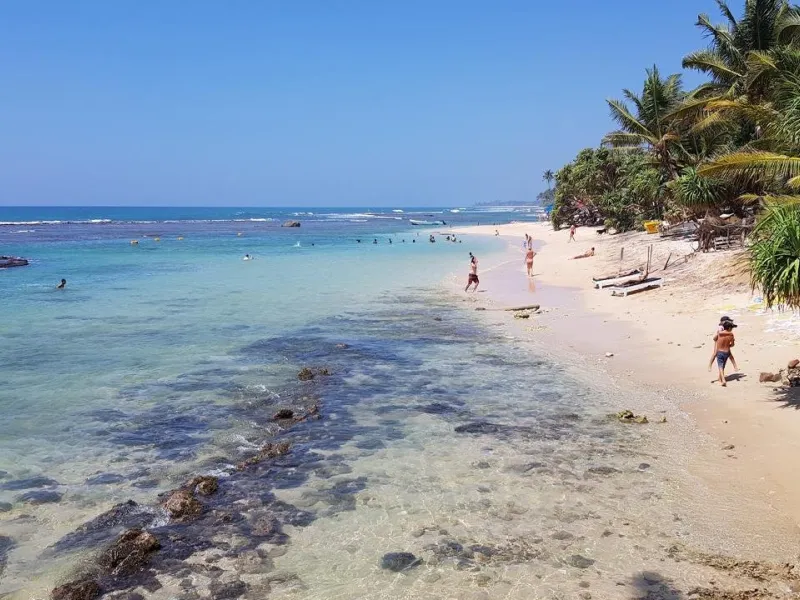
Matara District
Reef-lined beach known for coastal scenery and surf. Madiha Beach is a beautiful tropical beach located near Matara on Sri Lanka's southern coast.
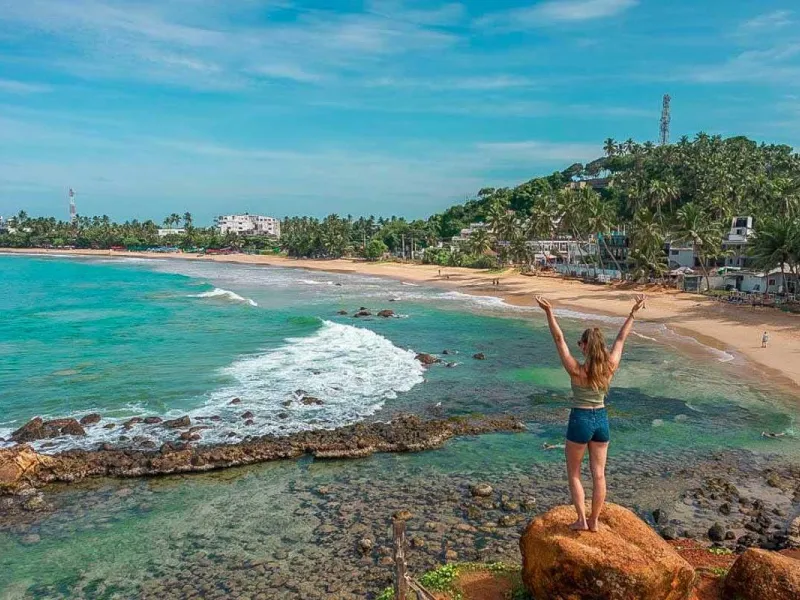
Mirissa, Matara District
Rocky outcrop offering views across Mirissa Beach. Parrot Rock Viewpoint is a beautiful coastal landmark located just offshore from Mirissa Beach in Matara District, Sri Lanka.
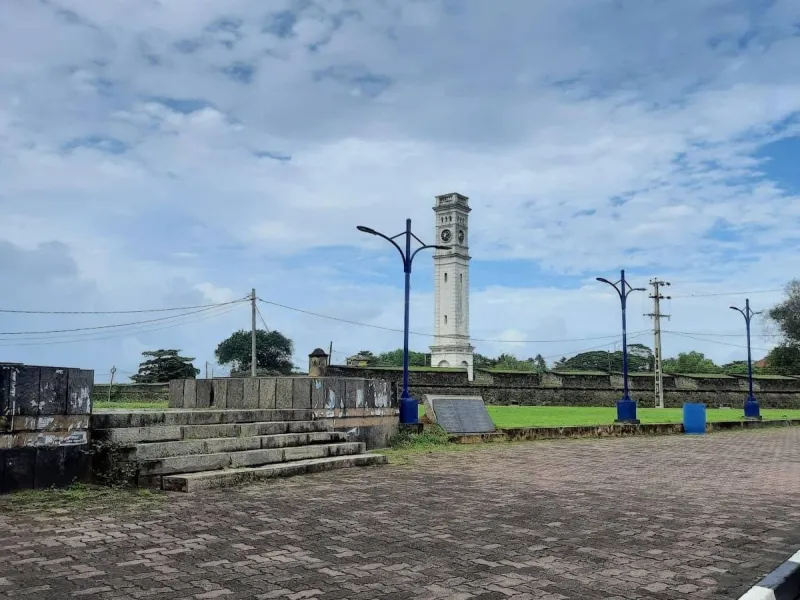
Matara, Matara District
Matara Clock Tower is a historic colonial-era landmark located on the ramparts of Matara Fort in southern Sri Lanka. Completed in May 1883 during British rule, this elegant white clock tower is an important symbol of Matara's architectural and cultural heritage. Surrounded by old fort walls and the
Get the Tap to Lanka app
Tap Share, then “Add to Home Screen”.
Cookies
We use cookies to keep you signed in. With your OK we also count visits to improve the site. Privacy policy