Skip to content
Tap to Lanka

Kotmale Mahaweli Maha Seya

Nuwara Eliya, Nuwara Eliya District

Get directions

Discover Kotmale Mahaweli Maha Seya, a magnificent white Buddhist stupa overlooking the scenic Kotmale Reservoir. Built to commemorate religious sites affected by the Mahaweli Development Programme, this sacred landmark features impressive architecture, a unique hollow interior, peaceful surrounding

Best time to visit
Early morning or late afternoon
Opening hours
verify with temple management.
Entry fee
Free
Dress code
Modest clothing covering shoulders and knees; remove shoes and headwear where required.
Time needed
1 hour

Highlights

  • Magnificent white Buddhist stupa standing approximately 88 metres high
  • Unique hollow-dome architecture with interior religious spaces
  • Smaller sacred stupa located within the main structure
  • Memorial to religious heritage affected by the Kotmale Reservoir project
  • Distinctive modern Buddhist architectural achievement
  • Beautiful hilltop setting on Kadadora Mountain
  • Scenic views of Kotmale Reservoir and surrounding green hills
  • Peaceful atmosphere for worship and meditation
  • Traditional Buddhist ceremonies and devotional activities
  • Architectural design associated with Dr. A. N. S. Kulasinghe
  • Important cultural landmark opened for worship in 2016
  • Photography opportunities featuring the stupa and highland landscapes

Kotmale Mahaweli Maha Seya – A Sacred Monument of Faith and Remembrance

Kotmale Mahaweli Maha Seya is a magnificent Buddhist stupa located on Kadadora Mountain in the Kotmale region of Nuwara Eliya District, Sri Lanka's Central Province. Surrounded by forested hills, beautiful mountain landscapes, and the waters of Kotmale Reservoir, the stupa is one of the most significant modern Buddhist monuments in Sri Lanka.

The monument is admired for its impressive white dome, unique architectural design, peaceful religious atmosphere, and historical connection to the communities and temples affected by the Mahaweli Development Programme.

History and Religious Significance

Kotmale Mahaweli Maha Seya was conceived by former Minister Gamini Dissanayake as a commemorative Buddhist monument associated with the construction of Kotmale Reservoir.

During the Mahaweli Development Programme, several villages, religious buildings, and agricultural lands were affected by the creation of the reservoir. Numerous temples and places of worship were lost or relocated as the surrounding valley was transformed.

The Maha Seya was developed to honour the religious heritage of these affected communities and preserve their spiritual connection to the Kotmale region.

Construction began in March 1983, and the stupa was officially opened for Buddhist worship on 20 June 2016.

Magnificent Stupa Architecture

Kotmale Mahaweli Maha Seya is recognised for its enormous white dome and distinctive architectural structure.

Standing approximately 88 metres, or 289 feet, high, it is considered one of Sri Lanka's tallest Buddhist stupas.

The structure was designed by the distinguished Sri Lankan engineer Dr. A. N. S. Kulasinghe.

Unlike traditional solid-core stupas, Mahaweli Maha Seya features a remarkable hollow interior, allowing devotees to enter the building and experience its internal religious spaces.

The design combines the appearance of traditional Sri Lankan Buddhist architecture with modern construction techniques.

Unique Interior and Spiritual Atmosphere

One of the most distinctive features of Kotmale Mahaweli Maha Seya is its large interior space.

Visitors entering permitted areas can appreciate the scale of the structure and the religious features inside the dome.

A smaller stupa is situated within the main structure, creating an unusual architectural arrangement.

The spacious interior produces a noticeable echo, contributing to the atmosphere during religious chanting and devotional activities.

This distinctive design makes the monument particularly interesting to architecture enthusiasts as well as Buddhist pilgrims.

Commemorating Submerged Religious Heritage

The construction of Kotmale Reservoir brought major changes to the cultural landscape of the Kotmale Valley.

Several Buddhist temples and other religious sites were affected by the reservoir project. Kadadora Viharaya is among the best-known submerged landmarks, with its remains occasionally becoming visible during exceptionally low reservoir water levels.

Mahaweli Maha Seya serves as a place of remembrance for the religious and cultural heritage associated with the former valley.

It symbolises the continuing importance of faith, historical memory, and community identity despite the changes brought by large-scale development.

Scenic Mountain and Reservoir Surroundings

Situated on an elevated site, Kotmale Mahaweli Maha Seya is surrounded by beautiful highland scenery.

The surrounding area features green mountains, forested slopes, and views towards Kotmale Reservoir.

The impressive white dome stands out against the natural landscape, making it a remarkable sight from nearby roads and viewpoints.

On clear days, visitors can appreciate the combination of sacred architecture and the picturesque Kotmale countryside.

The peaceful surroundings also make the location suitable for quiet reflection and landscape photography from permitted areas.

Buddhist Worship and Religious Activities

Kotmale Mahaweli Maha Seya is an active Buddhist religious site visited by devotees, pilgrims, and travellers.

Visitors may observe traditional practices such as offering flowers, lighting oil lamps in designated locations, and participating in religious observances when permitted.

Special religious occasions, including Poya days, may attract additional worshippers.

Visitors should dress modestly, remove footwear where required, and maintain silence in prayer and meditation areas.

A Significant Cultural Landmark

Kotmale Mahaweli Maha Seya represents an important combination of modern Buddhist architecture, religious devotion, and historical remembrance.

Its connection to the Mahaweli Development Programme gives the monument a deeper meaning beyond its impressive physical appearance.

For visitors exploring Nuwara Eliya District, the stupa provides an opportunity to appreciate Sri Lanka's Buddhist traditions, architectural achievements, and beautiful mountain landscapes.

Whether visiting for religious worship, cultural learning, photography, or peaceful sightseeing, Kotmale Mahaweli Maha Seya offers a memorable experience in the heart of the Kotmale highlands.
Photos

How to get there

Kotmale Mahaweli Maha Seya is located on Kadadora Mountain in the Kotmale region of Nuwara Eliya District, Sri Lanka's Central Province. Visitors travelling from Gampola can proceed through Ulapane towards Kotmale New Town. Near the Kadadora Viewing Centre, follow the ascending road towards Mahaweli Maha Seya for approximately four kilometres. Travellers arriving from Kandy can first travel towards Gampola and continue along the Kotmale road network. Visitors travelling from Nuwara Eliya can reach the Kotmale region using the highland road connections and then continue towards Kadadora. Private vehicles, taxis, and locally arranged three-wheelers are convenient for reaching the hilltop temple. Public transport connections may require additional travel or walking. The final approach follows an uphill road, so visitors should drive carefully during rainy or misty weather. Use GPS coordinates 7.06960, 80.60442 to locate Kotmale Mahaweli Maha Seya. Confirm the designated entrance and parking arrangements before travelling.

Tips for visitors

Wear modest clothing covering your shoulders and knees. Remove shoes and headwear before entering areas where required. Visit early in the morning for a peaceful religious atmosphere. Maintain silence and behave respectfully in worship areas. Avoid taking photographs during prayers without permission. Do not pose disrespectfully with Buddha statues or sacred objects. Follow instructions provided by monks and temple staff. Carry a light jacket because the Kotmale highlands can be cool. Walk carefully on steps and paved areas, especially during rain. Keep children accompanied when exploring the large temple grounds. Carry drinking water and essential personal belongings. Avoid disturbing devotees during religious ceremonies. Use designated parking areas and approved visitor entrances. Respect the temple's cultural and religious significance. Keep the temple surroundings clean and avoid littering.

Frequently asked questions

Where is Kotmale Mahaweli Maha Seya located?

Kotmale Mahaweli Maha Seya is located on Kadadora Mountain in the Kotmale region of Nuwara Eliya District, Sri Lanka's Central Province. The magnificent Buddhist stupa overlooks the surrounding hills and Kotmale Reservoir. Visitors can reach the temple by road from Gampola through Ulapane and Kadadora.

Why was Kotmale Mahaweli Maha Seya built?

Kotmale Mahaweli Maha Seya was built to commemorate the Buddhist temples and religious heritage affected by the construction of Kotmale Reservoir under the Mahaweli Development Programme. Conceived by former Minister Gamini Dissanayake, the monument symbolises remembrance, Buddhist devotion, and the cultural history of the former Kotmale Valley.

What makes Kotmale Mahaweli Maha Seya special?

Kotmale Mahaweli Maha Seya is famous for its enormous white dome, approximately 88-metre height, and unusual hollow interior containing a smaller stupa. Designed by Sri Lankan engineer Dr. A. N. S. Kulasinghe, the monument combines traditional Buddhist architectural features with modern engineering. Its beautiful hilltop location overlooking Kotmale adds to its attraction.

What are the opening hours and entrance fees for Kotmale Mahaweli Maha Seya?

Kotmale Mahaweli Maha Seya is an active Buddhist religious site, but its current official visitor opening hours and any mandatory entrance charges have not been independently verified. Visitors are advised to confirm access arrangements with temple management before travelling, especially on religious holidays or during special ceremonies.

What should visitors wear and do at Kotmale Mahaweli Maha Seya?

Visitors should wear modest clothing covering their shoulders and knees and remove footwear where required. They can appreciate the magnificent stupa, observe Buddhist religious traditions, explore permitted interior areas, and enjoy the surrounding mountain scenery. Photography should be respectful, and visitors must follow temple regulations and avoid disturbing worshippers.

Visitor reviews

No reviews yet. Been here? Share your tips for other visitors.

Sign in to write a review
Suggest an edit or report wrong info

More places nearby

See all →
Horton Plains National Park
National parks & wildlife Must see

Horton Plains National Park

Hatton, Nuwara Eliya District

Horton Plains National Park is a UNESCO-listed natural wonder in Sri Lanka's Central Highlands, famous for its misty grasslands, cloud forests, World's End viewpoint, Baker's Falls and diverse wildlife.

World's End Viewpoint
Mountains, hikes & viewpoints Must see

World's End Viewpoint

Hatton, Nuwara Eliya District

World's End is a spectacular cliff viewpoint in Horton Plains National Park, famous for its dramatic vertical drop and breathtaking panoramic views of Sri Lanka's Central Highlands, valleys and distant southern coastline.

Gregory Lake
Lakes & reservoirs

Gregory Lake

Nuwara Eliya, Nuwara Eliya District

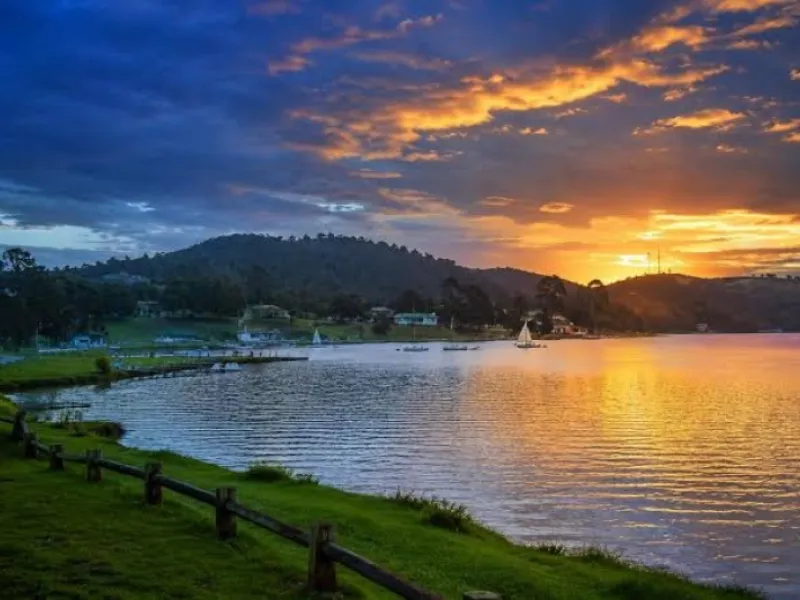
Gregory Lake is a reservoir in Nuwara Eliya, Sri Lanka, built in 1873 under British Governor Sir William Gregory. Covering 91.2 hectares, it is a recreational area offering boating, pony riding, walking paths, picnic areas, and lakeside activities.

Lover's Leap Waterfall
Waterfalls & rivers

Lover's Leap Waterfall

Nuwara Eliya, Nuwara Eliya District

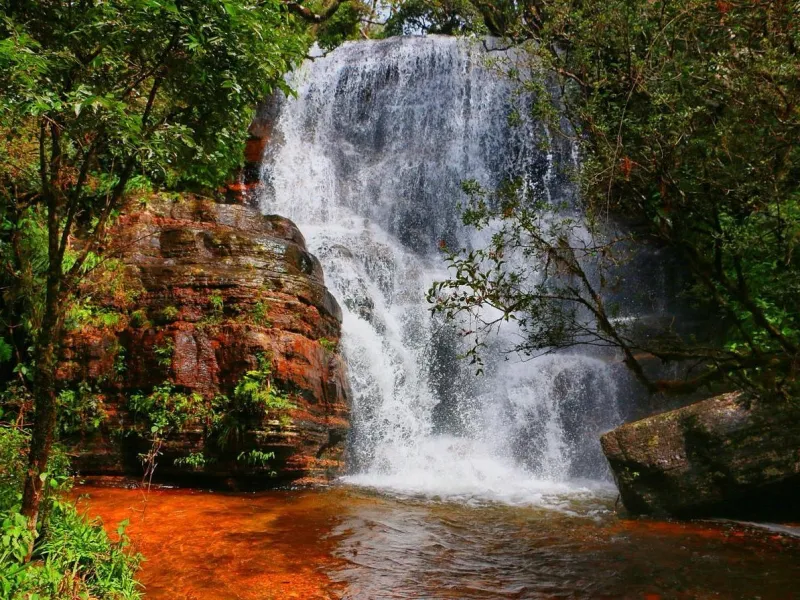
Lover's Leap Waterfall is a scenic 30-metre-high waterfall in Hawa Eliya, Nuwara Eliya, surrounded by lush tea plantations. Famous for its tragic romantic legend, it offers beautiful mountain views and a peaceful nature escape.

Hakgala Botanical Gardens
Parks & gardens Must see

Hakgala Botanical Gardens

Nuwara Eliya, Nuwara Eliya District

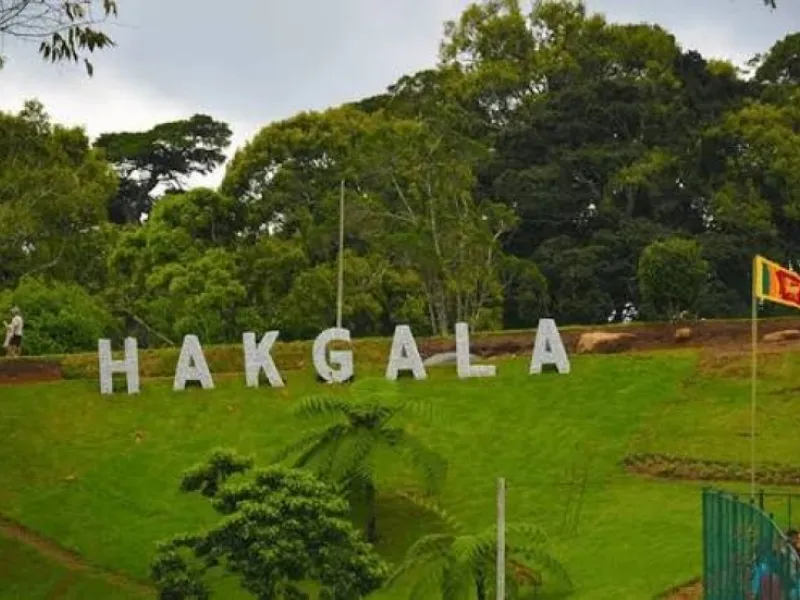
Hakgala Botanical Garden is Sri Lanka's second-largest botanical garden, located near Nuwara Eliya beneath Hakgala Rock. Famous for its colourful roses, orchids, exotic plants and beautiful mountain scenery, it offers a peaceful nature experience.

Baker's Falls
Waterfalls & rivers

Baker's Falls

Hatton, Nuwara Eliya District

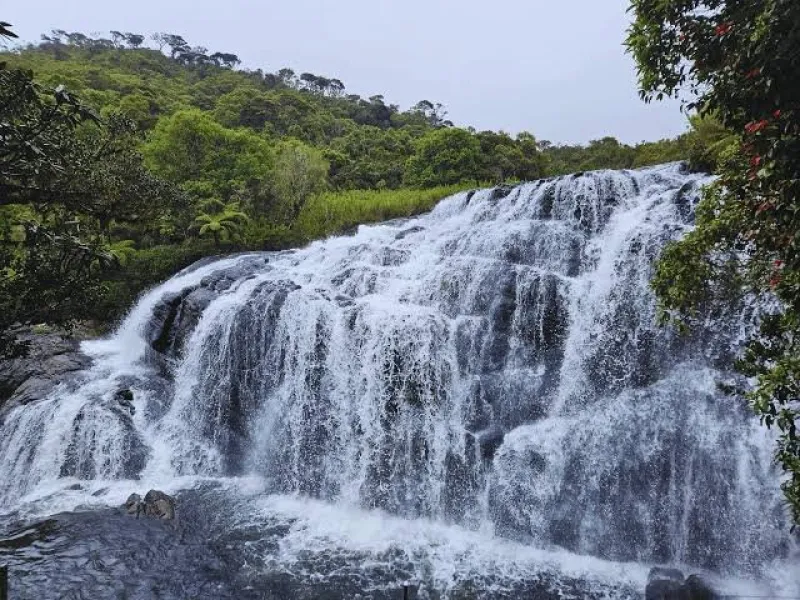
Baker's Falls is a beautiful 20-metre-high waterfall in Horton Plains National Park, surrounded by lush cloud forests. Famous for its cascading waters, scenic hiking trails and peaceful mountain scenery, it is a popular natural attraction.

Get directions Plan trip