Kotmale Mahaweli Maha Seya – A Sacred Monument of Faith and Remembrance
Kotmale Mahaweli Maha Seya is a magnificent Buddhist stupa located on Kadadora Mountain in the Kotmale region of Nuwara Eliya District, Sri Lanka's Central Province. Surrounded by forested hills, beautiful mountain landscapes, and the waters of Kotmale Reservoir, the stupa is one of the most significant modern Buddhist monuments in Sri Lanka.
The monument is admired for its impressive white dome, unique architectural design, peaceful religious atmosphere, and historical connection to the communities and temples affected by the Mahaweli Development Programme.
History and Religious Significance
Kotmale Mahaweli Maha Seya was conceived by former Minister Gamini Dissanayake as a commemorative Buddhist monument associated with the construction of Kotmale Reservoir.
During the Mahaweli Development Programme, several villages, religious buildings, and agricultural lands were affected by the creation of the reservoir. Numerous temples and places of worship were lost or relocated as the surrounding valley was transformed.
The Maha Seya was developed to honour the religious heritage of these affected communities and preserve their spiritual connection to the Kotmale region.
Construction began in March 1983, and the stupa was officially opened for Buddhist worship on 20 June 2016.
Magnificent Stupa Architecture
Kotmale Mahaweli Maha Seya is recognised for its enormous white dome and distinctive architectural structure.
Standing approximately 88 metres, or 289 feet, high, it is considered one of Sri Lanka's tallest Buddhist stupas.
The structure was designed by the distinguished Sri Lankan engineer Dr. A. N. S. Kulasinghe.
Unlike traditional solid-core stupas, Mahaweli Maha Seya features a remarkable hollow interior, allowing devotees to enter the building and experience its internal religious spaces.
The design combines the appearance of traditional Sri Lankan Buddhist architecture with modern construction techniques.
Unique Interior and Spiritual Atmosphere
One of the most distinctive features of Kotmale Mahaweli Maha Seya is its large interior space.
Visitors entering permitted areas can appreciate the scale of the structure and the religious features inside the dome.
A smaller stupa is situated within the main structure, creating an unusual architectural arrangement.
The spacious interior produces a noticeable echo, contributing to the atmosphere during religious chanting and devotional activities.
This distinctive design makes the monument particularly interesting to architecture enthusiasts as well as Buddhist pilgrims.
Commemorating Submerged Religious Heritage
The construction of Kotmale Reservoir brought major changes to the cultural landscape of the Kotmale Valley.
Several Buddhist temples and other religious sites were affected by the reservoir project. Kadadora Viharaya is among the best-known submerged landmarks, with its remains occasionally becoming visible during exceptionally low reservoir water levels.
Mahaweli Maha Seya serves as a place of remembrance for the religious and cultural heritage associated with the former valley.
It symbolises the continuing importance of faith, historical memory, and community identity despite the changes brought by large-scale development.
Scenic Mountain and Reservoir Surroundings
Situated on an elevated site, Kotmale Mahaweli Maha Seya is surrounded by beautiful highland scenery.
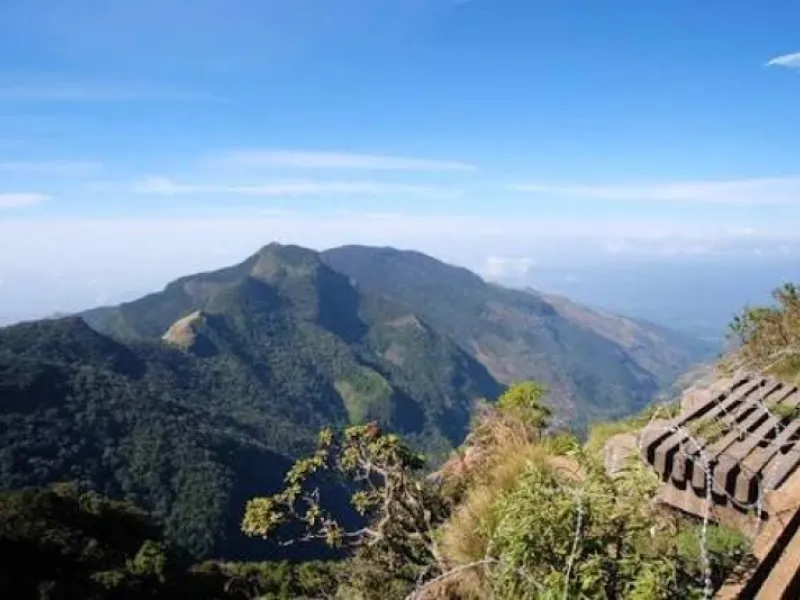
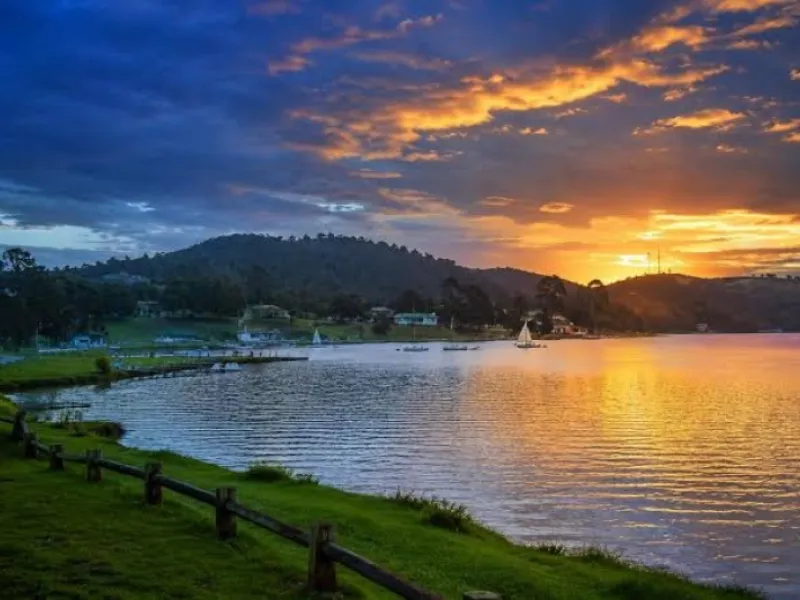
The surrounding area features green mountains, forested slopes, and views towards Kotmale Reservoir.
The impressive white dome stands out against the natural landscape, making it a remarkable sight from nearby roads and viewpoints.
On clear days, visitors can appreciate the combination of sacred architecture and the picturesque Kotmale countryside.
The peaceful surroundings also make the location suitable for quiet reflection and landscape photography from permitted areas.
Buddhist Worship and Religious Activities
Kotmale Mahaweli Maha Seya is an active Buddhist religious site visited by devotees, pilgrims, and travellers.
Visitors may observe traditional practices such as offering flowers, lighting oil lamps in designated locations, and participating in religious observances when permitted.
Special religious occasions, including Poya days, may attract additional worshippers.
Visitors should dress modestly, remove footwear where required, and maintain silence in prayer and meditation areas.
A Significant Cultural Landmark
Kotmale Mahaweli Maha Seya represents an important combination of modern Buddhist architecture, religious devotion, and historical remembrance.
Its connection to the Mahaweli Development Programme gives the monument a deeper meaning beyond its impressive physical appearance.
For visitors exploring Nuwara Eliya District, the stupa provides an opportunity to appreciate Sri Lanka's Buddhist traditions, architectural achievements, and beautiful mountain landscapes.
Whether visiting for religious worship, cultural learning, photography, or peaceful sightseeing, Kotmale Mahaweli Maha Seya offers a memorable experience in the heart of the Kotmale highlands.