Skip to content
Tap to Lanka
Back to your trip

Madu River Estuary

Galle, Galle District

Get directions

Madu River Estuary is a beautiful wetland destination in Balapitiya, famous for mangrove forests, scenic boat safaris, small islands and diverse wildlife.

Best time to visit
December–April; 7:00 AM–10:00 AM or late afternoon
Opening hours
Public waterways accessible through approved operators; safari times vary
Entry fee
Public viewpoints generally free; boat safari fees vary by operator
Time needed
1–3 hours

Highlights

  • Mangrove forests, boat safaris, wetland wildlife, scenic islands, birdwatching, river scenery

Madu River Estuary is an important coastal wetland ecosystem located near Balapitiya in Sri Lanka's Southern Province. The Madu Ganga river system includes interconnected waterways, mangrove forests, islands and rich aquatic habitats before draining into the Indian Ocean. The Maduganga Wetland was designated a Ramsar site in 2003 because of its ecological importance. Visitors can explore the waterways through organised boat safaris, observe birds and other wildlife, travel through mangrove passages and learn about the traditional lifestyles of local communities. The estuary and surrounding wetlands provide an attractive destination for nature lovers, photographers and families interested in Sri Lanka's biodiversity.

Photos

How to get there

Travel along the Colombo–Galle coastal road to Balapitiya. Boat safari departure points can be reached by tuk-tuk, taxi or private vehicle.

Tips for visitors

Choose responsible boat operators, wear life jackets, use insect repellent, protect mangrove habitats and avoid disturbing wildlife.

Frequently asked questions

Where is Madu River Estuary located?

Madu River Estuary is located near Balapitiya in the Galle District of Sri Lanka's Southern Province.

Why is Madu River Estuary famous?

Madu River Estuary is famous for its rich mangrove ecosystem, scenic waterways, diverse birdlife and organised boat safaris.

Can tourists enjoy boat safaris at Madu River?

Yes, local operators offer boat safaris through the Madu Ganga wetland system, allowing visitors to observe mangroves, islands and wildlife.

What is the best time to visit Madu River Estuary?

Early morning and late afternoon are particularly suitable for wildlife observation, photography and boat excursions.

Is there an entry fee for Madu River Estuary?

Public viewpoints are generally free, but guided boat safaris have separate charges depending on the operator, route and duration.

More places nearby

See all →
Koggala Lake
Lakes & reservoirs

Koggala Lake

Galle, Galle District

Koggala Lake is a beautiful coastal lagoon near Galle, famous for its scenic islands, mangrove ecosystems, birdwatching and relaxing boat safaris.

Unawatuna Beach
Beaches

Unawatuna Beach

Galle, Galle District

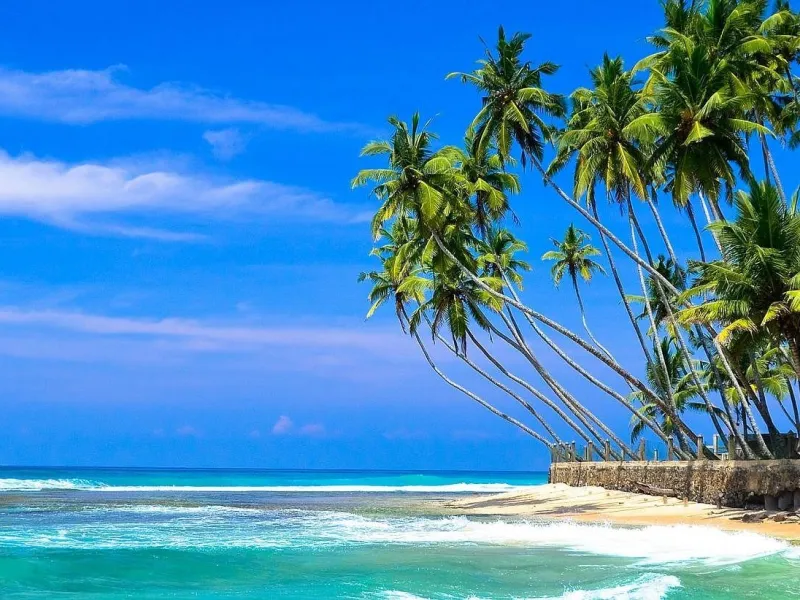
Unawatuna Beach is one of Sri Lanka's most popular tropical beaches, famous for its golden sand, turquoise waters, swimming areas and lively beachfront restaurants.

Martin Wickramasinghe Folk Museum Complex
Historical & heritage sites

Martin Wickramasinghe Folk Museum Complex

Galle, Galle District

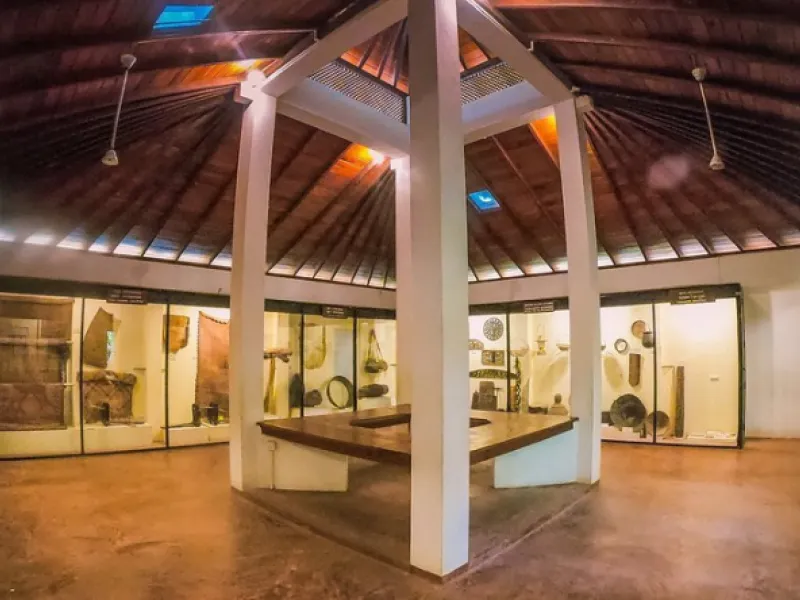
Martin Wickramasinghe Folk Museum Complex is a cultural museum in Koggala, showcasing Sri Lankan village life, traditional tools and the legacy of a famous writer.

Galle Fort
Historical & heritage sites

Galle Fort

Galle, Galle District

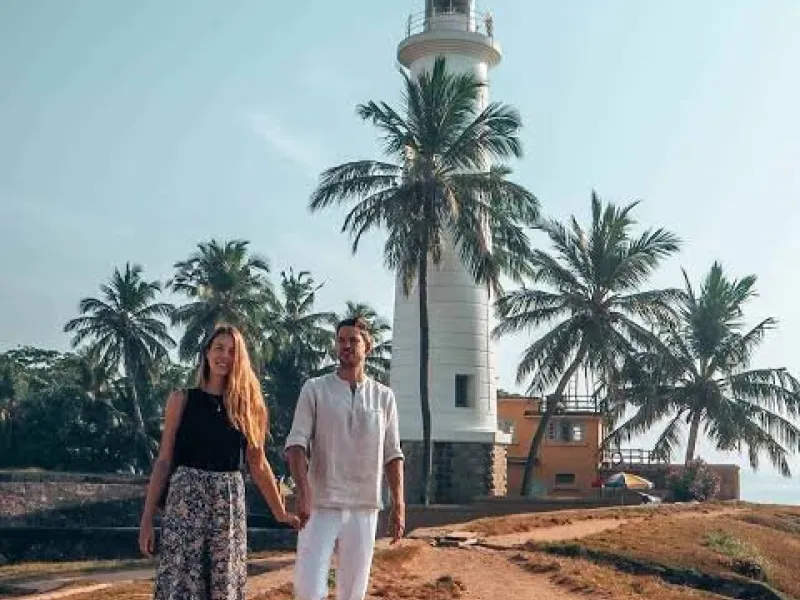
Galle Fort is a UNESCO World Heritage Site famous for its colonial architecture, historic streets, ancient ramparts and magnificent Indian Ocean views.

Hikkaduwa Beach
Beaches

Hikkaduwa Beach

Galle, Galle District

Hikkaduwa Beach is a famous beach destination in southern Sri Lanka, known for surfing, snorkelling, vibrant marine life and beautiful tropical scenery.

Dalawella Beach
Beaches

Dalawella Beach

Galle, Galle District

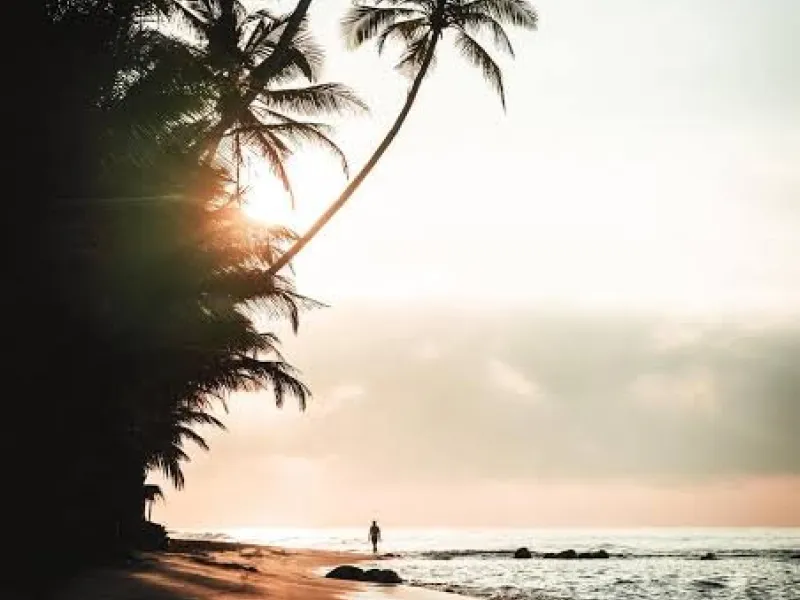
Dalawella Beach is a picturesque tropical beach near Unawatuna, famous for its beautiful coastline, palm trees, rope swing and relaxing seaside atmosphere.