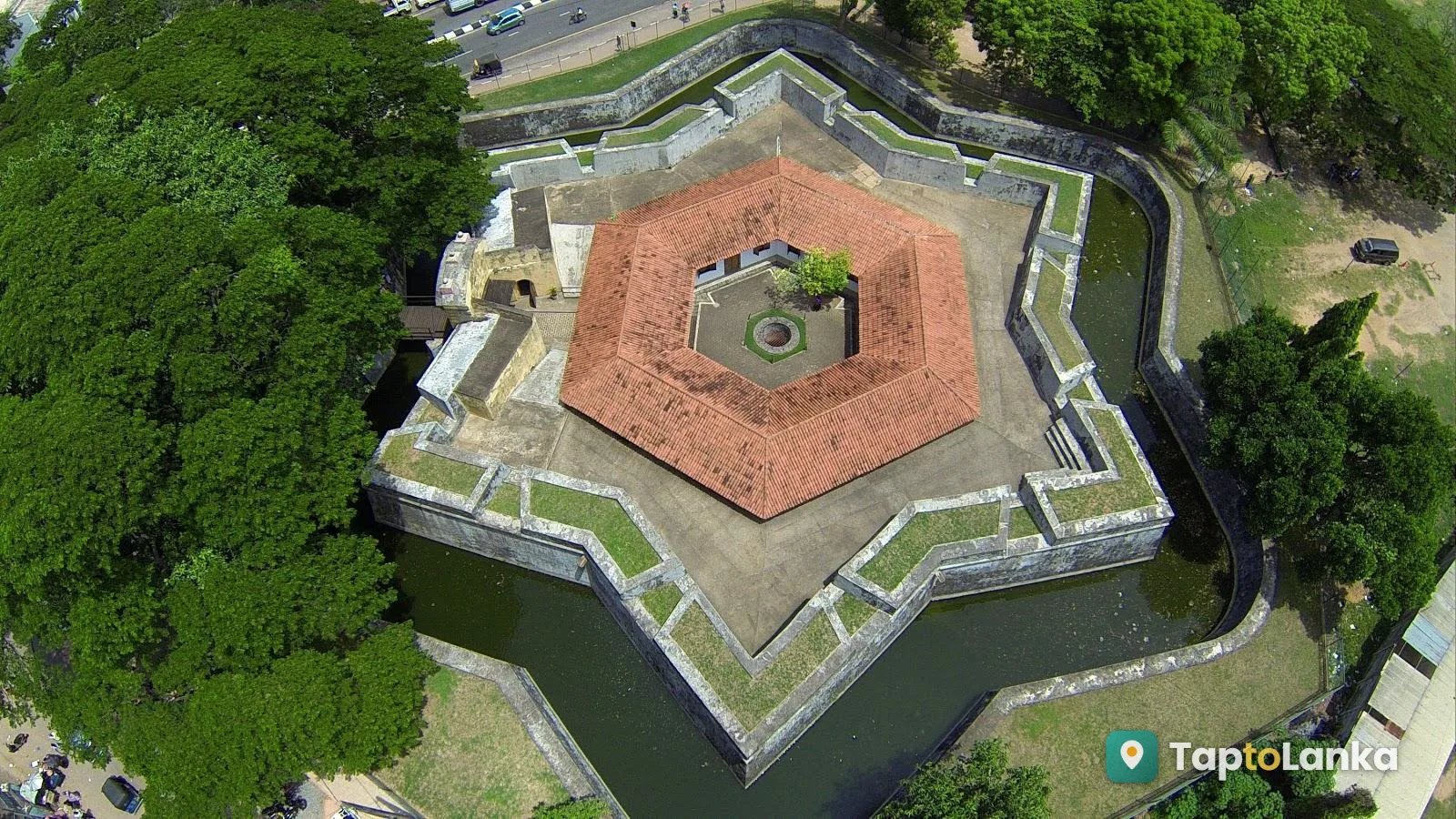
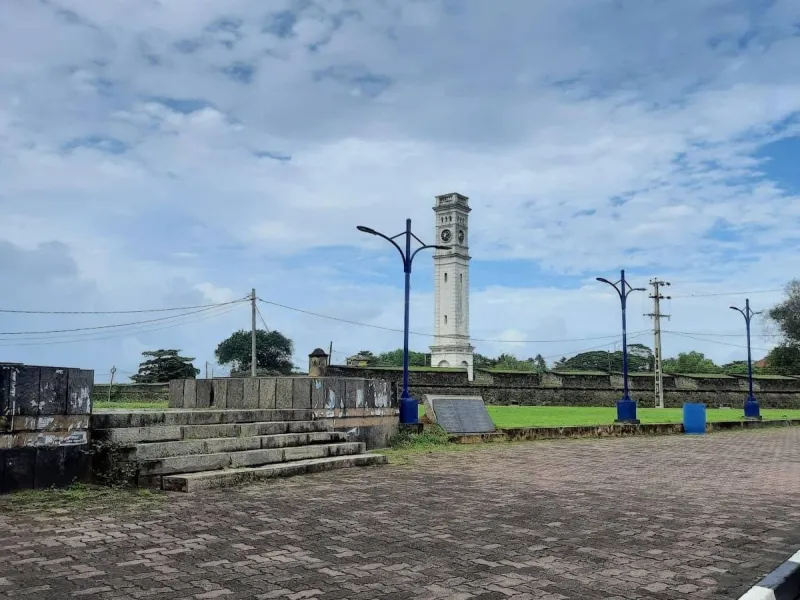
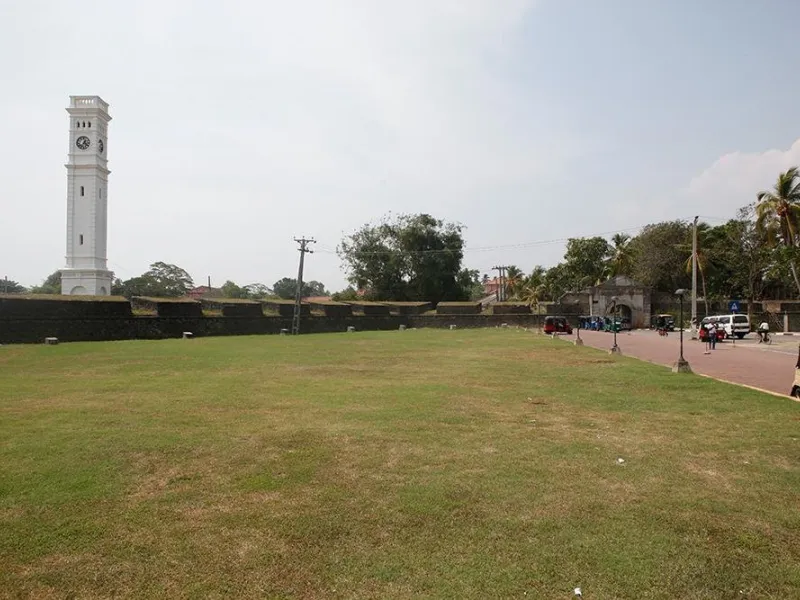
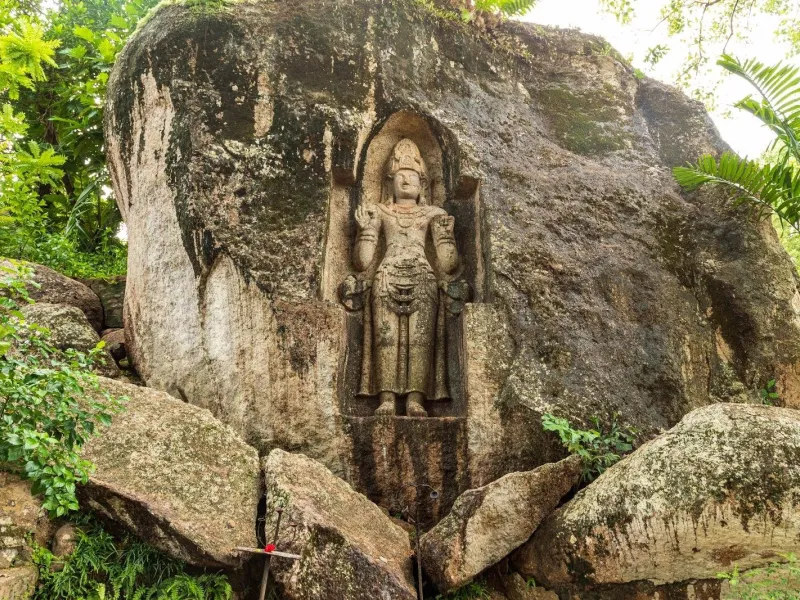
Matara Star Fort is a remarkable eighteenth-century Dutch colonial fortress located near the eastern bank of the Nilwala River in Matara, Sri Lanka's Southern Province. Recognised for its unusual six-pointed star-shaped design, defensive moat, historic gateway, and well-preserved architecture, it is one of the most distinctive military heritage attractions in southern Sri Lanka.
The Star Fort was constructed between 1763 and 1765 by the Dutch colonial administration following the Matara Rebellion of 1761. During the uprising, forces associated with the Kandyan Kingdom captured the main Matara Fort, exposing weaknesses in the Dutch defensive system. After regaining control of Matara, the Dutch decided to establish a smaller, strategically positioned fortification to strengthen protection against future attacks.
The new fortress was developed under the administration of Dutch Governor Baron Van Eck and was originally named Redoute Van Eck. Its distinctive six-pointed star layout was designed to provide overlapping defensive positions, allowing soldiers to observe and protect the surrounding approaches more effectively than conventional rectangular fortifications.
Unlike the much larger Matara Fort, Star Fort was built as a compact defensive outpost rather than a residential settlement. Its military facilities included rooms for soldiers, storage spaces for supplies and gunpowder, a kitchen area, and a central freshwater well. The fortification was constructed using substantial masonry, including stone and coral-based materials.
A defensive moat surrounds the fort, creating an additional obstacle for potential attackers. The original entrance was reached by a drawbridge, while the gateway included multiple protective entrances. The combination of the moat, drawbridge, and angular walls represents European military engineering adapted to the landscape of coastal Sri Lanka.
After the British took control of Matara in 1796, the fort was reused for various administrative purposes. It served as accommodation connected with engineering and public works activities and later became a public library under the Matara local authorities. These changes reflect the building's transition from military infrastructure to civilian use.
The Department of Archaeology took responsibility for the fort in the twentieth century and carried out major restoration work during the 1980s. The site was subsequently associated with the Matara Archaeological Museum, which displays or has displayed archaeological and historical materials connected with the region. The Department of Archaeology continues to list Matara Star Fort Museum among its regional museums.
Further conservation work was undertaken with Dutch and Sri Lankan cooperation. This included restoring the historic drawbridge and improving the surrounding landscape. The completed conservation and drawbridge restoration works were formally handed over to the Department of Archaeology on 25 July 2008.
Today, Matara Star Fort provides visitors with an opportunity to appreciate Dutch military architecture, colonial history, and heritage conservation. Its star-shaped defensive plan, old gateway, stone walls, inner courtyard, and surrounding moat make it particularly interesting for history enthusiasts, architecture lovers, and photographers.
Located close to central Matara, the Star Fort can be combined with visits to the larger Matara Fort, Matara Bodhiya, and nearby coastal attractions. Although public access arrangements and museum operations can vary, the historic structure remains an important reminder of Sri Lanka's colonial past and the military history of the southern coast.