Skip to content
Tap to Lanka
Back to your trip

Matara Star Fort

Matara, Matara District

Get directions

Eighteenth-century Dutch star-shaped fortification. Alternative Names Star Fort Matara, Dutch Star Fort, Redoute Van Eck, Matara Tharaka Kotuwa.

Best time to visit
Year-round; early morning or late afternoon.
Opening hours
Reported 9:00 AM – 5:00 PM; closed on Poya days and public holidays.
Entry fee
Local and foreign museum admission fees are not officially verified; a small charge may apply.
Dress code
Comfortable casual clothing and walking shoes.
Time needed
30–60 minutes.

Highlights

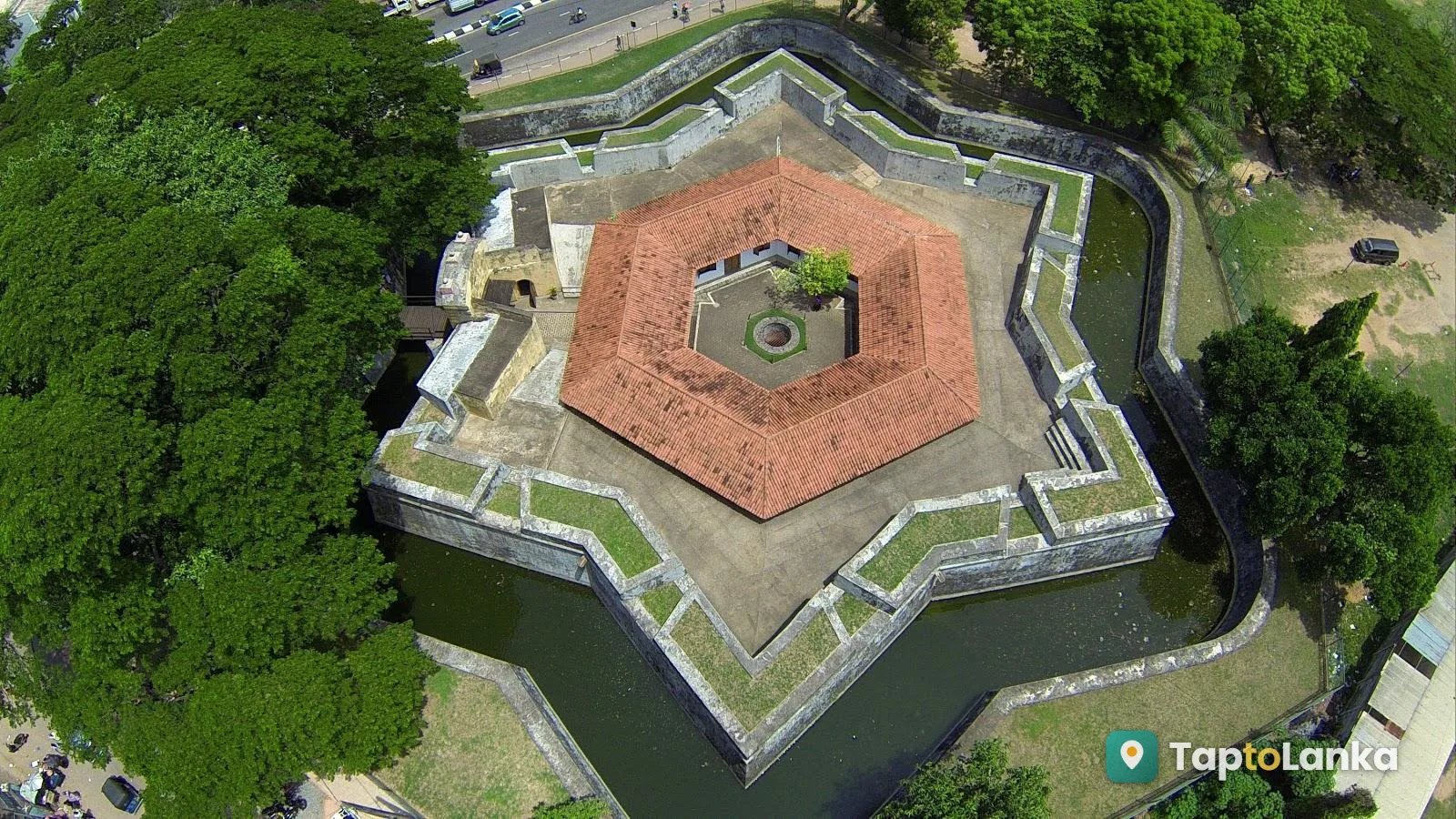
  • Six-Pointed Star Architecture – Admire the unusual star-shaped defensive layout designed by Dutch military engineers.
  • Historic Dutch Fortress – Discover a colonial fortification built between 1763 and 1765.
  • Defensive Moat – View the historic moat surrounding the compact fortress.
  • Restored Drawbridge – Appreciate the reconstructed entrance bridge and conservation work.
  • Colonial Entrance Gateway – Photograph the historic masonry entrance and Dutch architectural details.
  • Internal Courtyard and Well – Explore the fort's compact interior when visitor access is permitted.
  • Military Heritage – Learn about the Matara Rebellion and the Dutch defensive strategy.
  • Archaeological Museum Heritage – Discover the fort's association with the Matara regional archaeological museum.
  • Historical Photography – Capture the distinctive walls, gateways, stonework, and surrounding landscape.

Matara Star Fort is a remarkable eighteenth-century Dutch colonial fortress located near the eastern bank of the Nilwala River in Matara, Sri Lanka's Southern Province. Recognised for its unusual six-pointed star-shaped design, defensive moat, historic gateway, and well-preserved architecture, it is one of the most distinctive military heritage attractions in southern Sri Lanka.

The Star Fort was constructed between 1763 and 1765 by the Dutch colonial administration following the Matara Rebellion of 1761. During the uprising, forces associated with the Kandyan Kingdom captured the main Matara Fort, exposing weaknesses in the Dutch defensive system. After regaining control of Matara, the Dutch decided to establish a smaller, strategically positioned fortification to strengthen protection against future attacks.

The new fortress was developed under the administration of Dutch Governor Baron Van Eck and was originally named Redoute Van Eck. Its distinctive six-pointed star layout was designed to provide overlapping defensive positions, allowing soldiers to observe and protect the surrounding approaches more effectively than conventional rectangular fortifications.

Unlike the much larger Matara Fort, Star Fort was built as a compact defensive outpost rather than a residential settlement. Its military facilities included rooms for soldiers, storage spaces for supplies and gunpowder, a kitchen area, and a central freshwater well. The fortification was constructed using substantial masonry, including stone and coral-based materials.

A defensive moat surrounds the fort, creating an additional obstacle for potential attackers. The original entrance was reached by a drawbridge, while the gateway included multiple protective entrances. The combination of the moat, drawbridge, and angular walls represents European military engineering adapted to the landscape of coastal Sri Lanka.

After the British took control of Matara in 1796, the fort was reused for various administrative purposes. It served as accommodation connected with engineering and public works activities and later became a public library under the Matara local authorities. These changes reflect the building's transition from military infrastructure to civilian use.

The Department of Archaeology took responsibility for the fort in the twentieth century and carried out major restoration work during the 1980s. The site was subsequently associated with the Matara Archaeological Museum, which displays or has displayed archaeological and historical materials connected with the region. The Department of Archaeology continues to list Matara Star Fort Museum among its regional museums.

Further conservation work was undertaken with Dutch and Sri Lankan cooperation. This included restoring the historic drawbridge and improving the surrounding landscape. The completed conservation and drawbridge restoration works were formally handed over to the Department of Archaeology on 25 July 2008.

Today, Matara Star Fort provides visitors with an opportunity to appreciate Dutch military architecture, colonial history, and heritage conservation. Its star-shaped defensive plan, old gateway, stone walls, inner courtyard, and surrounding moat make it particularly interesting for history enthusiasts, architecture lovers, and photographers.

Located close to central Matara, the Star Fort can be combined with visits to the larger Matara Fort, Matara Bodhiya, and nearby coastal attractions. Although public access arrangements and museum operations can vary, the historic structure remains an important reminder of Sri Lanka's colonial past and the military history of the southern coast.
Photos

How to get there

Matara Star Fort is located near Matara General Hospital, close to the Nilwala River and the main Matara Fort. Visitors can reach Matara by train, public bus, taxi, or private vehicle from Colombo, Galle, Weligama, or Mirissa. From central Matara, follow directions towards Matara General Hospital and the Star Fort entrance. The fortress is approximately 350 metres from the main Matara Fort gateway, making it convenient to explore both historical sites during the same visit. Visitors arriving at Matara Bus Stand or Railway Station can continue by tuk-tuk or on foot, depending on their route. Use permitted parking areas and follow museum entry signs.

Tips for visitors

Visit during official opening hours and check museum access before travelling. Wear comfortable shoes suitable for walking on old stone surfaces and uneven ground. Take care around the historic moat and drawbridge, particularly when visiting with children. Do not climb walls, enter restricted rooms, or touch fragile archaeological objects. Ask permission before photographing museum displays or interiors. Carry drinking water, a hat, and sun protection. Respect ongoing conservation activities and follow instructions from the Department of Archaeology. Avoid littering and allow additional time if combining the visit with Matara Fort and nearby historical landmarks.

Frequently asked questions

Where is Matara Star Fort located?

Matara Star Fort is in Matara, Sri Lanka. Use the Google Maps link to check the exact approach and current directions.

What can visitors do at Matara Star Fort?

Discover local history and examine features accessible to visitors without damaging them.

When is the best time to visit Matara Star Fort?

Daylight usually provides the best sightseeing conditions; check site schedules.

What are the opening hours and entry fees for Matara Star Fort?

Hours: To confirm with venue / local authority. Entry fees: To confirm with venue / local authority. Confirm current prices and access rules with the managing authority before visiting.

How do I get to Matara Star Fort, and what should I know before visiting?

Travel to Matara using local roads or public transport; confirm the final approach and access point on the map before departure. Respect fragile structures and any photography or conservation rules.

Visitor reviews

No reviews yet. Been here? Share your tips for other visitors.

Sign in to write a review
Suggest an edit or report wrong info

More places nearby

See all →
Matara Clock Tower
Historical & heritage sites

Matara Clock Tower

Matara, Matara District

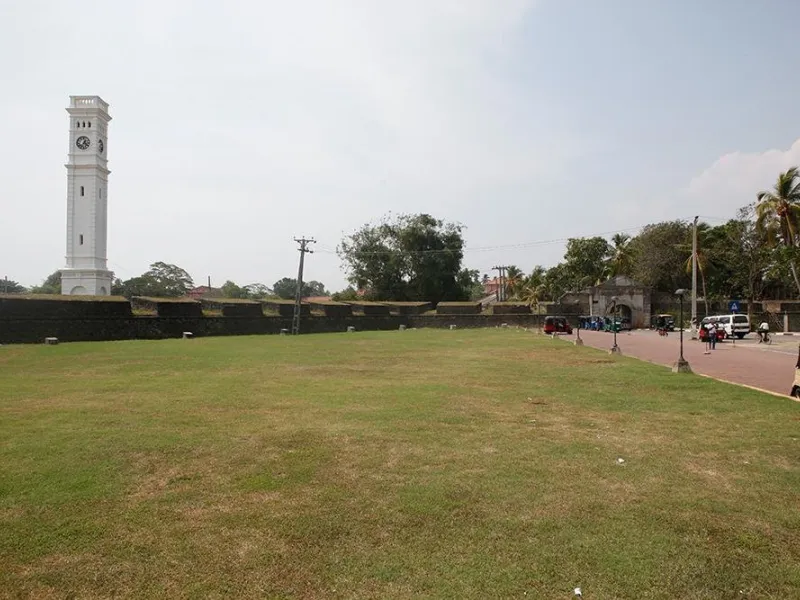
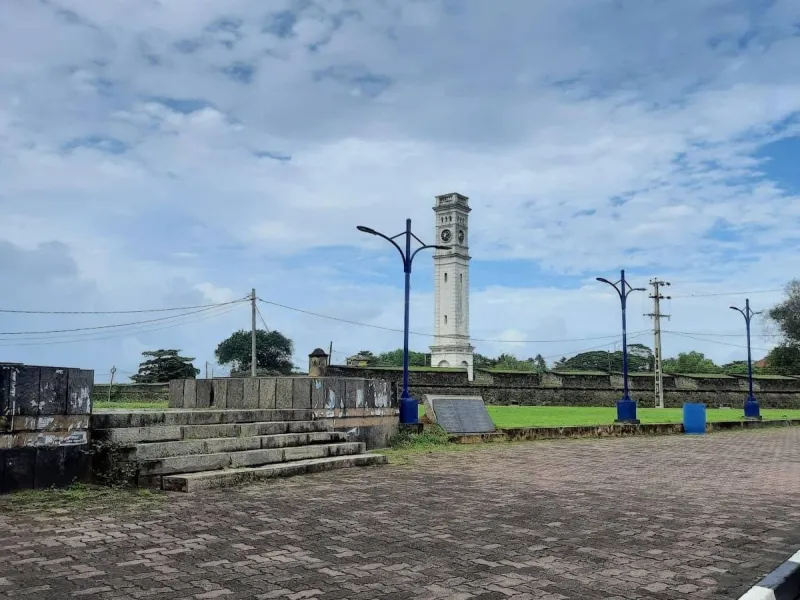
Matara Clock Tower is a historic colonial-era landmark located on the ramparts of Matara Fort in southern Sri Lanka. Completed in May 1883 during British rule, this elegant white clock tower is an important symbol of Matara's architectural and cultural heritage. Surrounded by old fort walls and the

Matara Fort
Historical & heritage sites

Matara Fort

Matara, Matara District

Situated near the mouth of the Nilwala River and the Indian Ocean, it offers visitors an opportunity to explore Sri Lanka's colonial architecture, military history, and cultural heritage.

Weligama Kushtarajagala Statue
Historical & heritage sites

Weligama Kushtarajagala Statue

Weligama, Matara District

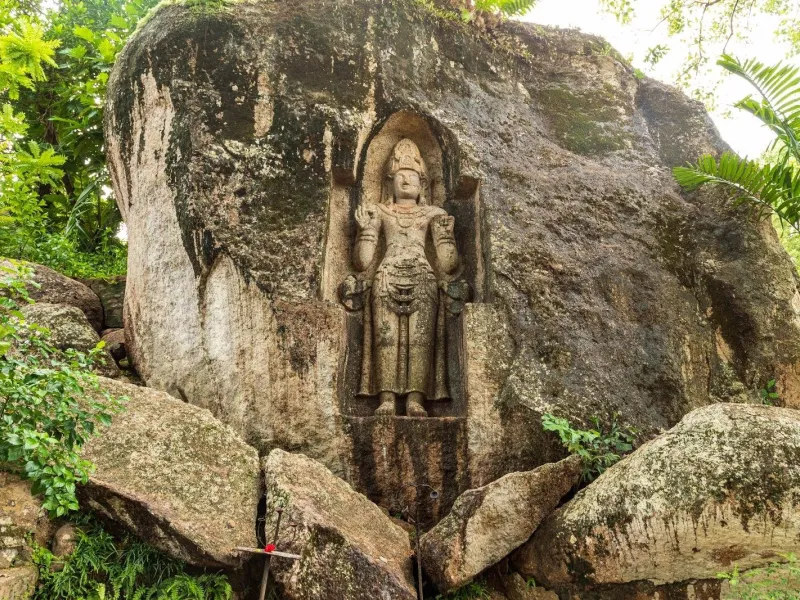
Historic rock-carved figure beside the coastal road. 3.83 metres high, the sculpture is widely identified as the Bodhisattva Avalokiteshvara and is admired for its elaborate crown, jewellery, and traditional stone craftsmanship.

Matara Old Dutch Church
Historical & heritage sites

Matara Old Dutch Church

Matara, Matara District

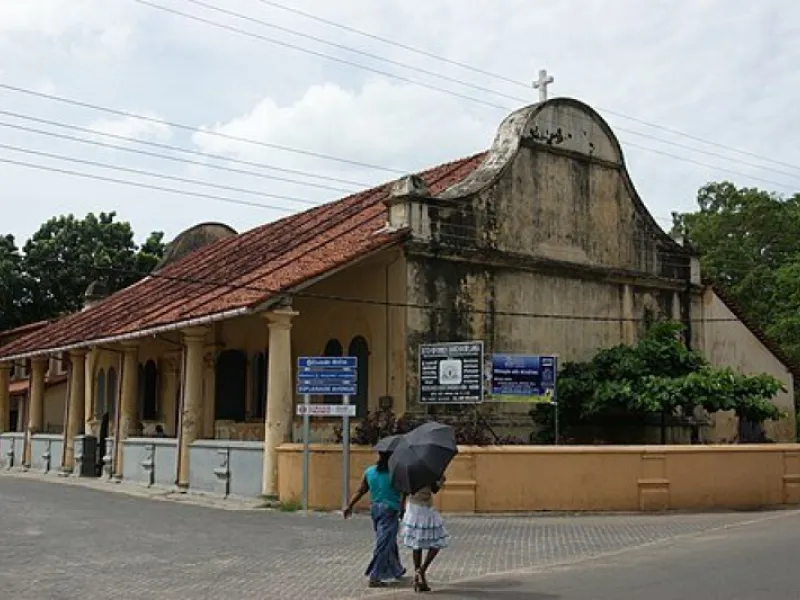
Historic church located within the fort precinct.

Devinuwara Gal Ge
Historical & heritage sites

Devinuwara Gal Ge

Matara District

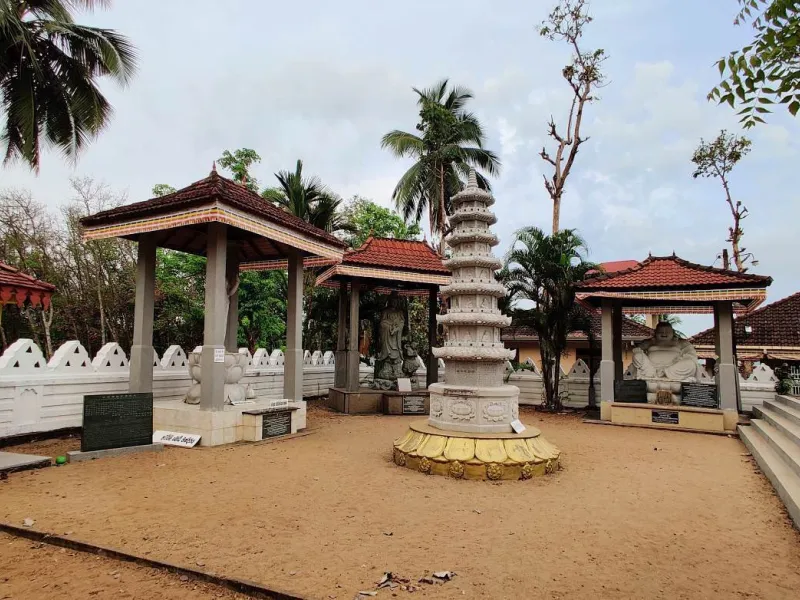
Stone structure associated with the area's archaeological past.

Devinuwara Upulvan Vishnu Devalaya
Historical & heritage sites

Devinuwara Upulvan Vishnu Devalaya

Matara District

Historic shrine associated with the deity Upulvan/Vishnu. Devinuwara Sri Vishnu Maha Devalaya, Uthpalawanna Sri Vishnu Devalaya, Dondra Vishnu Shrine-Alternative Names

Get directions Plan trip