අන්තර්ගතයට යන්න
Tap to Lanka

මුලතිව් ලන්දේසි බලකොටුව නටබුන්

මුලතිව්, මුලතිව් දිස්ත්‍රික්කය

මාර්ගය ලබා ගන්න

Explore Mullaitivu Dutch Fort Remains, a historic colonial-era landmark in Northern Sri Lanka. Discover the fort's Dutch origins, British military history, and its connection to Pandara Vanniyan's famous resistance in 1803, reflecting the rich historical heritage of the Vanni region.

පැමිණීමට හොඳම කාලය
Daylight usually provides the best sightseeing conditions; check site schedules.
විවෘත වේලාවන්
To confirm with venue / local authority
ඇතුළුවීමේ ගාස්තුව
To confirm with venue / local authority
ඇඳුම් නීති
Comfortable casual clothing and suitable walking footwear.
අවශ්‍ය කාලය
1–2 hours

විශේෂාංග

  • Historic Dutch colonial fortification established in 1715
  • Important landmark of Mullaitivu's colonial heritage
  • Connection to Dutch and British military history
  • Site associated with Pandara Vanniyan's 1803 resistance
  • Historical importance in the Vanni region
  • Surviving old brick masonry and colonial-era ruins
  • Insights into early European defensive architecture
  • Educational destination for history enthusiasts and students
  • Cultural heritage and regional historical significance
  • Opportunities for heritage photography and historical exploration

Mullaitivu Dutch Fort Remains - A Historic Landmark of Colonial Heritage

Mullaitivu Dutch Fort Remains is a historical heritage site situated in Mullaitivu, Sri Lanka's Northern Province. Associated with the Dutch colonial period and later British occupation, the fort played an important role in regional defence, administration, and military history.

Although much of the original fort has disappeared, the surviving structures believed to be associated with it represent an important chapter in the history of Mullaitivu and the Vanni region.

Historical Background and Dutch Colonial Rule

The original Mullaitivu Fort was established by the Dutch in 1715 as a small defensive structure constructed using timber, earthworks, and protective barriers.

In 1721, the Dutch developed a more substantial quadrangular fort to strengthen their military presence and protect their interests in the region.

The fort served as a strategic location for controlling trade routes, monitoring commercial activities, and maintaining colonial authority along Sri Lanka's northeastern coastline.

Its location made it an important defensive outpost during a period of competition between colonial powers and regional rulers.

British Occupation and Military Importance

Following the British takeover of Dutch possessions in Sri Lanka in 1795, Mullaitivu Fort came under British administration.

The British strengthened and used the fort as a military outpost to maintain their presence in the Vanni region.

During this period, the fort became associated with conflicts between British colonial forces and local chieftains who resisted foreign control.

Pandara Vanniyan and the Battle of Mullaitivu

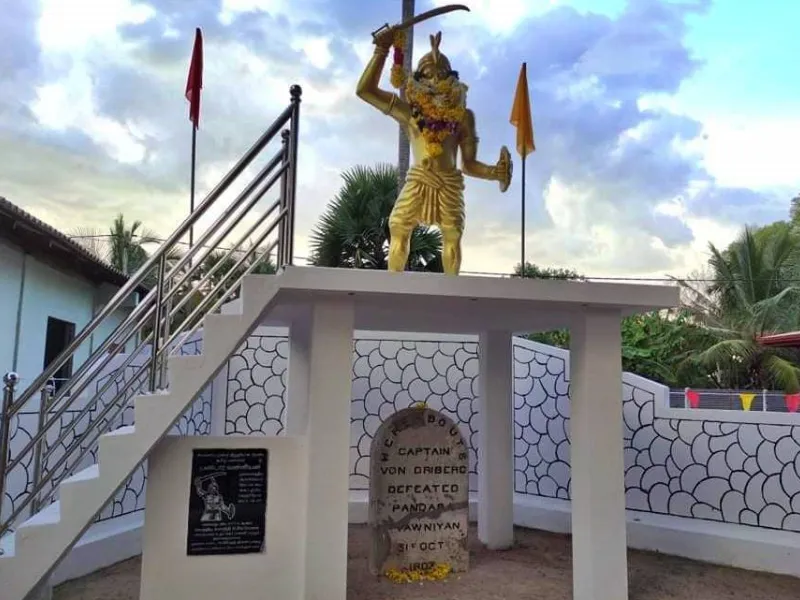
One of the most significant events in the fort's history occurred on 25 August 1803, when forces led by Pandara Vanniyan attacked and captured the British-held fort at Mullaitivu.

Pandara Vanniyan, remembered as the Last King of Vanni, was a prominent regional chieftain who resisted British colonial expansion.

During the attack, British forces withdrew from the fort, and weapons were captured by the resistance forces.

Although the British later regained control, the event became an important symbol of courage, regional independence, and resistance to colonial rule.

Fort Architecture and Surviving Remains

The original fort was built as a defensive structure designed to protect colonial military interests.

Historical accounts describe its development from a small Dutch fortification into a more substantial defensive complex.

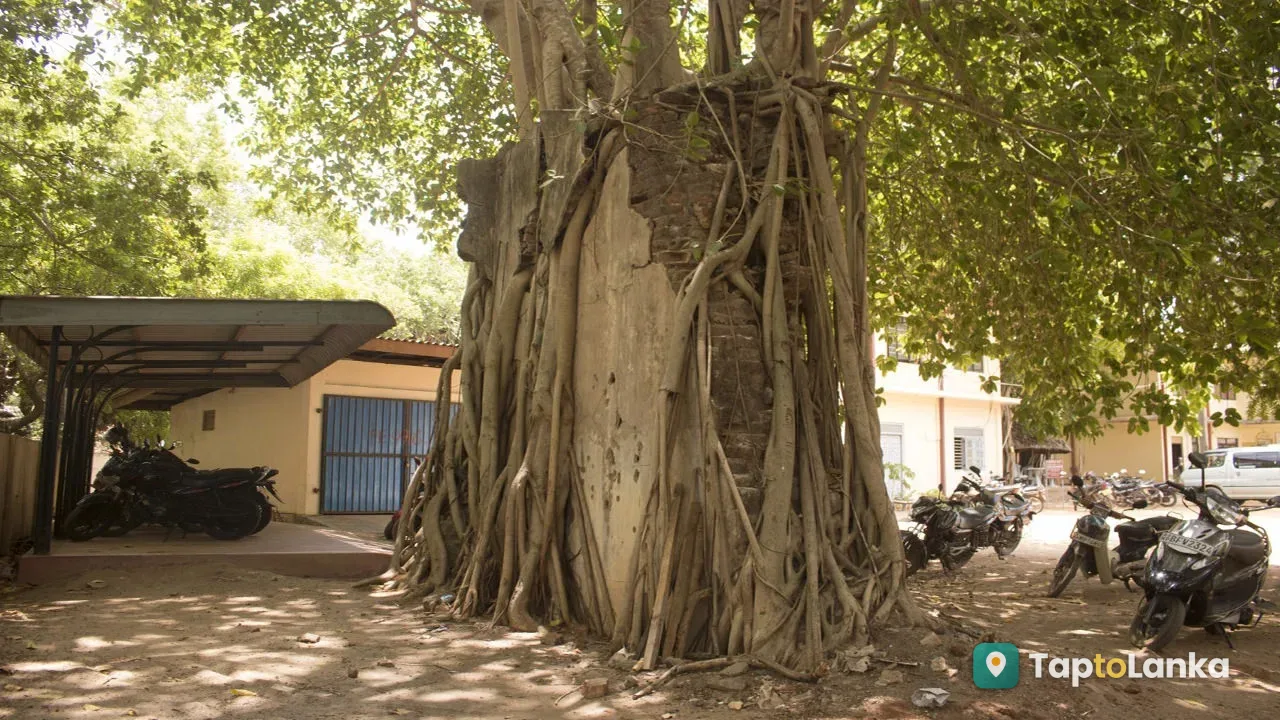
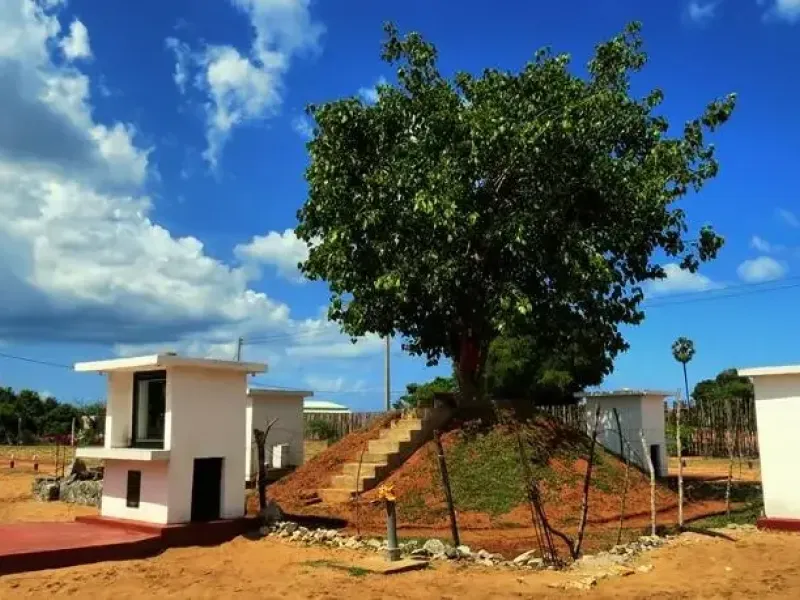
Today, only limited remains associated with the former fort survive. Old brick masonry believed to belong to the fort can be found in the Mullaitivu town area.

These weathered remnants offer visitors a glimpse into the region's colonial past, although the original fort's complete layout is no longer visible.

Historical and Cultural Significance

Mullaitivu Dutch Fort represents an important connection between Sri Lanka's colonial history and the resistance of local Vanni rulers.

Its association with Dutch administration, British occupation, and Pandara Vanniyan's 1803 victory makes it a meaningful historical landmark.

The site provides an opportunity to learn about the political and military changes that shaped Northern Sri Lanka during the colonial period.

A Valuable Heritage Destination in Mullaitivu

Mullaitivu Dutch Fort Remains is an interesting destination for history enthusiasts, students, researchers, and travellers exploring Sri Lanka's colonial heritage.

Although the surviving ruins are limited, their historical significance makes the site a valuable reminder of Mullaitivu's past.

Visitors are encouraged to respect the archaeological remains, avoid damaging fragile structures, and follow any local access or conservation guidelines.

ඡායාරූප

යන ආකාරය

Mullaitivu Dutch Fort Remains is associated with Mullaitivu town in Sri Lanka's Northern Province. From Mullaitivu Town: The surviving brick remains believed to be associated with the former fort have been documented near the Mullaitivu District Secretariat premises. Visitors should confirm the exact location and whether public access is permitted. From Kilinochchi: Travel towards Mullaitivu using the main road network and continue to the town centre. From Jaffna or Vavuniya: Visitors can travel towards Mullaitivu through the appropriate regional road connections. Transportation: Private vehicles, motorcycles, and locally available transport may be convenient options. Navigation: Confirm the correct location of the surviving fort remains before travelling, as the original fort no longer exists as a complete structure. Visitors should also verify access arrangements with the relevant local authority, particularly if the ruins are within government premises.

නරඹන්නන් සඳහා උපදෙස්

Visit during daylight hours for better visibility and photography. Confirm whether public access to the surviving ruins is permitted. Respect the historical and archaeological importance of the site. Avoid climbing, touching, or damaging fragile brick structures. Do not remove bricks, stones, or other materials from the site. Follow any conservation instructions or restrictions displayed nearby. Ask permission before photographing areas within government premises. Wear comfortable footwear suitable for uneven ground. Carry drinking water and sun protection during warm weather. Keep the surroundings clean and avoid leaving litter. Take time to learn about Pandara Vanniyan and the history of colonial Mullaitivu. Respect nearby government offices, local residents, and other visitors.

නිතර අසන ප්‍රශ්න

Where is Mullaitivu Dutch Fort Remains located?

Mullaitivu Dutch Fort Remains is in Mullaitivu, Sri Lanka. Use the Google Maps link to check the exact approach and current directions.

What can visitors do at Mullaitivu Dutch Fort Remains?

Discover local history and examine features accessible to visitors without damaging them.

When is the best time to visit Mullaitivu Dutch Fort Remains?

Daylight usually provides the best sightseeing conditions; check site schedules.

What are the opening hours and entry fees for Mullaitivu Dutch Fort Remains?

Hours: To confirm with venue / local authority. Entry fees: To confirm with venue / local authority. Confirm current prices and access rules with the managing authority before visiting.

How do I get to Mullaitivu Dutch Fort Remains, and what should I know before visiting?

Travel to Mullaitivu using local roads or public transport; confirm the final approach and access point on the map before departure. Respect fragile structures and any photography or conservation rules.

අමුත්තන්ගේ සමාලෝචන

තවම සමාලෝචන නැත. මෙහි ගොස් තිබේද? අනෙක් අමුත්තන්ට ඔබගේ උපදෙස් බෙදාගන්න.

සමාලෝචනයක් ලිවීමට පුරනය වන්න
සංස්කරණයක් යෝජනා කරන්න හෝ වැරදි තොරතුරු වාර්තා කරන්න

අවට තවත් ස්ථාන

සියල්ල බලන්න →
කුරුන්තුර්මලෛ පුරාවිද්‍යා ස්ථානය
ඓතිහාසික සහ උරුම ස්ථාන

කුරුන්තුර්මලෛ පුරාවිද්‍යා ස්ථානය

මුලතිව්, මුලතිව් දිස්ත්‍රික්කය

Explore Kurunthurmalai Archaeological Site in Mullaitivu, a historically significant hilltop location featuring ancient Buddhist ruins, archaeological discoveries, and religious heritage associated with local Hindu traditions. Discover its cultural importance and complex history while respecting the

පන්ඩරවන්නියන් ස්මාරකය
ඓතිහාසික සහ උරුම ස්ථාන

පන්ඩරවන්නියන් ස්මාරකය

මුලතිව්, මුලතිව් දිස්ත්‍රික්කය

Explore Pandaravanniyan Memorial in Mullaitivu, a historical landmark honouring the courageous Vanni chieftain Pandara Vanniyan. Discover his resistance against British colonial rule, his leadership, and his enduring legacy in the cultural heritage of Northern Sri Lanka.

මුරුකන්ඩි පිල්ලෙයාර් කෝවිල
හින්දු කෝවිල්

මුරුකන්ඩි පිල්ලෙයාර් කෝවිල

මුලතිව්, මුලතිව් දිස්ත්‍රික්කය

Discover Murukandy Pillaiyar Kovil, a revered roadside Hindu temple along Sri Lanka's A9 Highway. Dedicated to Lord Ganesha, the shrine is famous for its coconut-breaking rituals, traditional prayers, and the belief that worshipping here brings blessings and protection for a safe journey.

කොකිලෛ කුරුලු අභයභූමිය
ජාතික වනෝද්‍යාන සහ වනජීවී

කොකිලෛ කුරුලු අභයභූමිය

මුලතිව්, මුලතිව් දිස්ත්‍රික්කය

Discover Kokkilai Bird Sanctuary in Mullaitivu, a protected wetland paradise renowned for migratory flamingos, pelicans, herons, and diverse waterbirds. Established in 1951, the sanctuary features scenic lagoon waters, mangroves, and rich ecosystems, offering an exceptional experience for birdwatche

සමුඩ්රගිරි රාජ මහා විහාරය
බෞද්ධ විහාරස්ථාන

සමුඩ්රගිරි රාජ මහා විහාරය

මුලතිව්, මුලතිව් දිස්ත්‍රික්කය

Discover Samudragiri Raja Maha Viharaya, a Buddhist place of worship in Mullaitivu, Northern Sri Lanka. Explore its peaceful religious setting, appreciate Buddhist traditions, and experience the spiritual atmosphere of this local temple.

නයාරු වෙරළ
වෙරළ තීරයන්

නයාරු වෙරළ

මුලතිව්, මුලතිව් දිස්ත්‍රික්කය

Discover Nayaru Beach in Mullaitivu, a peaceful coastal destination near the scenic Nayaru Lagoon. Featuring sandy shores, beautiful ocean views, traditional fishing communities, and nearby wetland ecosystems, the beach offers a relaxing experience of Northern Sri Lanka's natural coastal beauty and

මාර්ගය ලබා ගන්න ගමන සැලසුම් කරන්න