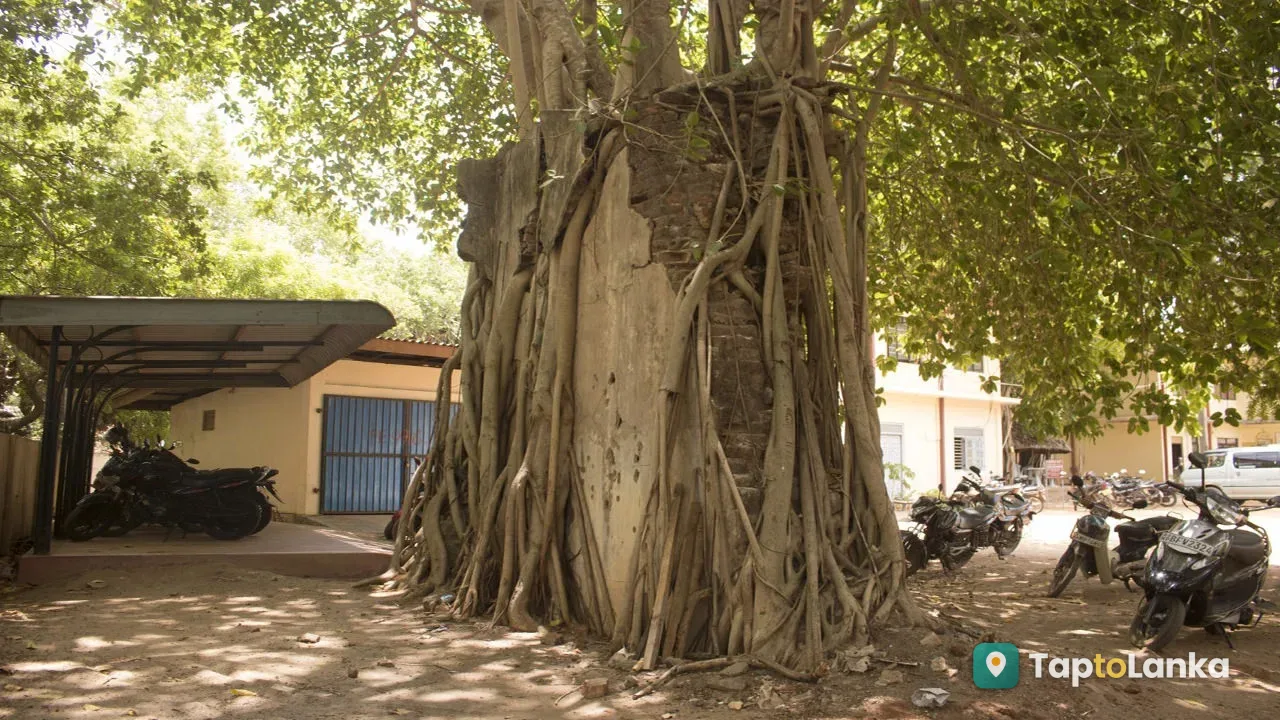
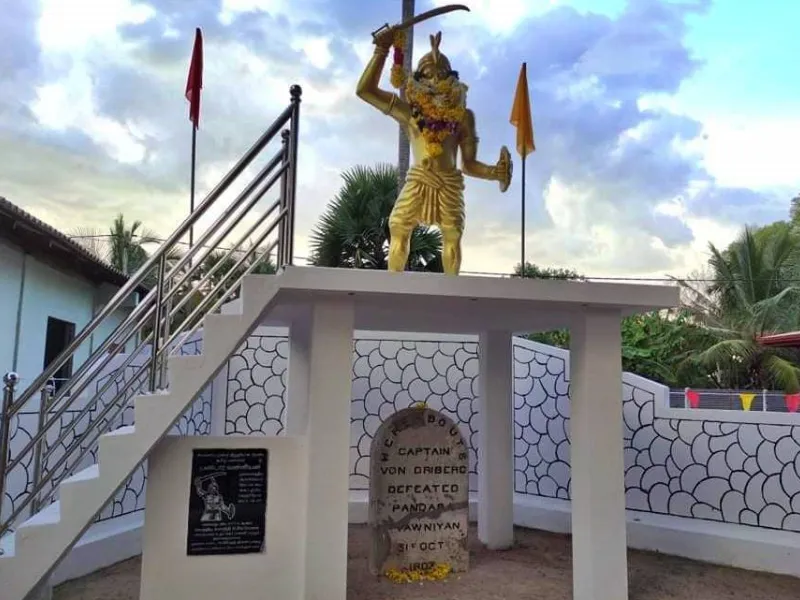
Mullaitivu Dutch Fort Remains - A Historic Landmark of Colonial HeritageMullaitivu Dutch Fort Remains is a historical heritage site situated in Mullaitivu, Sri Lanka's Northern Province. Associated with the Dutch colonial period and later British occupation, the fort played an important role in regional defence, administration, and military history. Although much of the original fort has disappeared, the surviving structures believed to be associated with it represent an important chapter in the history of Mullaitivu and the Vanni region. Historical Background and Dutch Colonial RuleThe original Mullaitivu Fort was established by the Dutch in 1715 as a small defensive structure constructed using timber, earthworks, and protective barriers. In 1721, the Dutch developed a more substantial quadrangular fort to strengthen their military presence and protect their interests in the region. The fort served as a strategic location for controlling trade routes, monitoring commercial activities, and maintaining colonial authority along Sri Lanka's northeastern coastline. Its location made it an important defensive outpost during a period of competition between colonial powers and regional rulers. British Occupation and Military ImportanceFollowing the British takeover of Dutch possessions in Sri Lanka in 1795, Mullaitivu Fort came under British administration. The British strengthened and used the fort as a military outpost to maintain their presence in the Vanni region. During this period, the fort became associated with conflicts between British colonial forces and local chieftains who resisted foreign control. Pandara Vanniyan and the Battle of MullaitivuOne of the most significant events in the fort's history occurred on 25 August 1803, when forces led by Pandara Vanniyan attacked and captured the British-held fort at Mullaitivu. Pandara Vanniyan, remembered as the Last King of Vanni, was a prominent regional chieftain who resisted British colonial expansion. During the attack, British forces withdrew from the fort, and weapons were captured by the resistance forces. Although the British later regained control, the event became an important symbol of courage, regional independence, and resistance to colonial rule. Fort Architecture and Surviving RemainsThe original fort was built as a defensive structure designed to protect colonial military interests. Historical accounts describe its development from a small Dutch fortification into a more substantial defensive complex. Today, only limited remains associated with the former fort survive. Old brick masonry believed to belong to the fort can be found in the Mullaitivu town area. These weathered remnants offer visitors a glimpse into the region's colonial past, although the original fort's complete layout is no longer visible. Historical and Cultural SignificanceMullaitivu Dutch Fort represents an important connection between Sri Lanka's colonial history and the resistance of local Vanni rulers. Its association with Dutch administration, British occupation, and Pandara Vanniyan's 1803 victory makes it a meaningful historical landmark. The site provides an opportunity to learn about the political and military changes that shaped Northern Sri Lanka during the colonial period. A Valuable Heritage Destination in MullaitivuMullaitivu Dutch Fort Remains is an interesting destination for history enthusiasts, students, researchers, and travellers exploring Sri Lanka's colonial heritage. Although the surviving ruins are limited, their historical significance makes the site a valuable reminder of Mullaitivu's past. Visitors are encouraged to respect the archaeological remains, avoid damaging fragile structures, and follow any local access or conservation guidelines. |