Waterfalls & rivers
Matara, Matara District
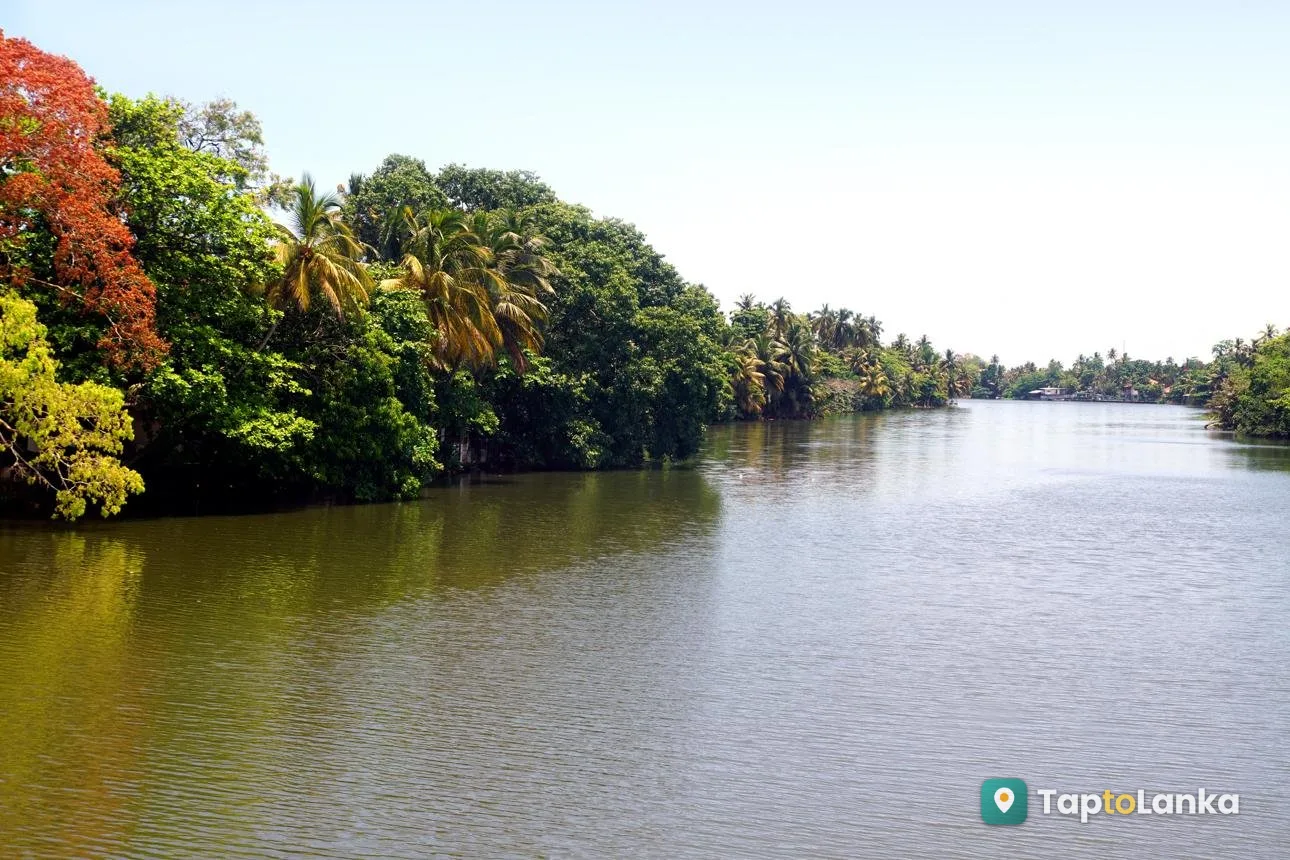
Alternative Names Nilwala Ganga, Nilwala Ganga River Major river flowing through Matara into the Indian Ocean. Nilwala River is a scenic river flowing through Matara District, famous for its tropical riverbanks, mangroves, birdlife, crocodiles, and peaceful boat safaris.
Nilwala River, also known as Nilwala Ganga, is one of the most important rivers in southern Sri Lanka. Flowing approximately 72 kilometres through the Southern Province, the river begins in the forested highlands of the Rakwana mountain region near Deniyaya and eventually enters the Indian Ocean at Thotamuna, close to Matara city. Its scenic waterways, tropical vegetation, and diverse natural habitats make it an important environmental and cultural landmark.
The river passes through landscapes ranging from forested hills and agricultural valleys to lowland wetlands and urban areas. Its upper catchment receives substantial rainfall and supports forest ecosystems, while the middle and lower river basin contains paddy fields, coconut plantations, small villages, and riverside communities. These changing landscapes create attractive scenery along different sections of the river.
One of the most interesting features of the lower Nilwala River is its rich wildlife. The river and surrounding wetlands support numerous aquatic organisms, waterbirds, reptiles, and other animals. Visitors may encounter kingfishers, herons, egrets, cormorants, and other birds around the vegetated riverbanks. The lower river is also known for its population of saltwater crocodiles, which can sometimes be observed resting near the water or swimming through the river.
The Nilwala River has become a popular destination for guided wildlife boat safaris near Matara. Local tour operators organise small-boat excursions through suitable sections of the river, offering opportunities to observe crocodiles, birds, riverside vegetation, and the surrounding natural environment. Early morning and late afternoon trips are especially attractive for wildlife photography, although sightings are never guaranteed.
The river also plays a significant role in local agriculture, water management, and everyday life. Communities within the basin depend on its water resources for agricultural activities and other needs. Paddy cultivation, coconut growing, tea estates in the upper catchment, and local fishing activities all form part of the wider Nilwala River landscape.
The lower river basin contains important wetland habitats, including the Kirala Kele wetland area near Matara. These wetlands support biodiversity and contribute to water storage and natural floodplain functions. Their connection with the river highlights the importance of conserving Sri Lanka's freshwater ecosystems.
Nilwala River has also influenced the development of Matara city. Bridges crossing the river connect important roads and neighbourhoods, while the surrounding riverbanks provide scenic views of the town and coastal landscape. The river's meeting point with the Indian Ocean near Thotamuna is an important geographical feature of the region.
Seasonal rainfall strongly influences the river's water levels and flow. During periods of heavy monsoon rain, the Nilwala River and its floodplains can experience significant flooding. Visitors should therefore check local weather conditions and avoid riverbanks, crossings, and boating activities during flood warnings or strong currents.
Today, Nilwala River remains an important natural attraction for wildlife enthusiasts, photographers, nature lovers, and travellers exploring Matara. Its combination of scenic river landscapes, crocodile habitats, tropical vegetation, and local cultural significance makes it a memorable destination in southern Sri Lanka.
The Nilwala River flows through Matara District, with convenient sightseeing access around central Matara. Visitors can reach Matara by train, public bus, taxi, or private vehicle from Colombo, Galle, Weligama, or Mirissa. From Matara town, follow the A2 coastal road towards the Mahanama Bridge to view the lower river from permitted public areas. For guided wildlife boat safaris, contact a locally established river tour operator and follow the directions to its designated departure point, which may be farther upstream. Visitors travelling to the upper river basin can follow routes through Akuressa, Morawaka, or Deniyaya. Avoid assuming that every riverbank is publicly accessible.
Visit early in the morning for birdwatching, crocodile observation, and scenic photography. Choose a reputable boat operator with experienced guides, properly maintained boats, and suitable life jackets for every passenger. Stay seated during boat trips and keep a safe distance from crocodiles. Never swim, wade, or bathe in the river, and do not approach the water's edge to photograph wildlife. Avoid feeding crocodiles, monkeys, or other animals. Check weather forecasts and flood warnings before visiting, especially during periods of heavy rainfall. Do not enter flooded roads, unstable riverbanks, or restricted private areas. Carry drinking water, insect repellent, sunscreen, a hat, and binoculars. Keep noise low when observing wildlife, respect riverside communities, and take all rubbish away.
Nilwala River is in Matara, Sri Lanka. Use the Google Maps link to check the exact approach and current directions.
Admire the water scenery from safe viewpoints; avoid unsafe swimming spots.
Visit in daylight; avoid heavy rain and high water levels.
Hours: To confirm with venue / local authority. Entry fees: To confirm with venue / local authority. Confirm current prices and access rules with the managing authority before visiting.
Travel to Matara using local roads or public transport; confirm the final approach and access point on the map before departure. Keep clear of slippery rocks, strong currents and unmarked swimming areas.
No reviews yet. Been here? Share your tips for other visitors.
Sign in to write a review
Matara District
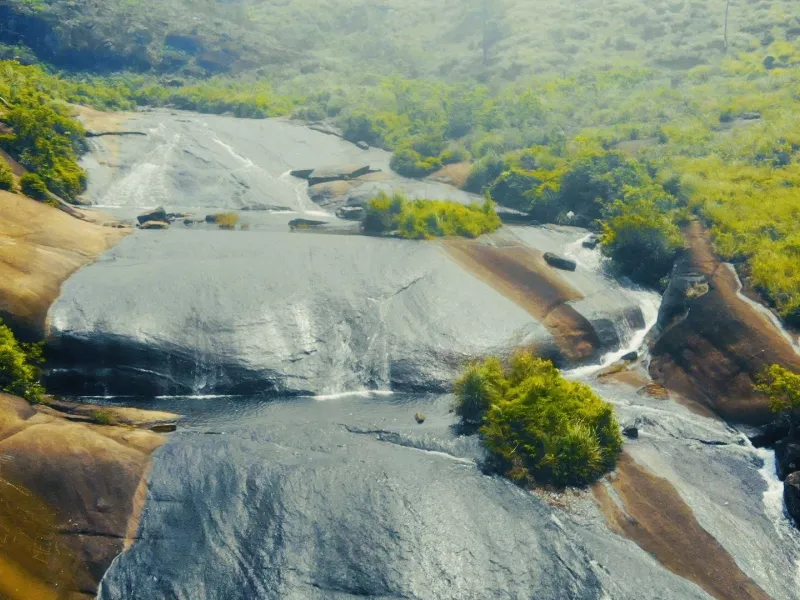
Natural rock water slide and stream near Deniyaya; water safety essential.
Matara District
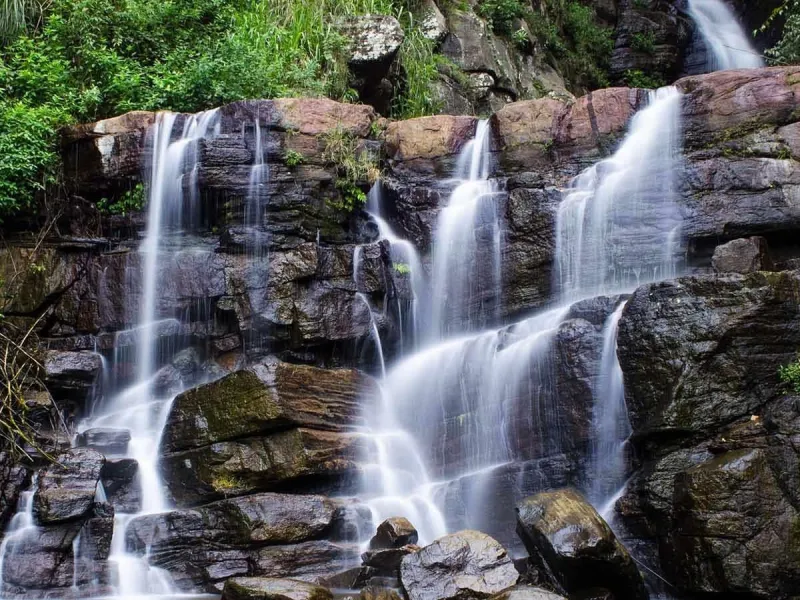
Forest waterfall in the Deniyaya hills; local access should be checked.
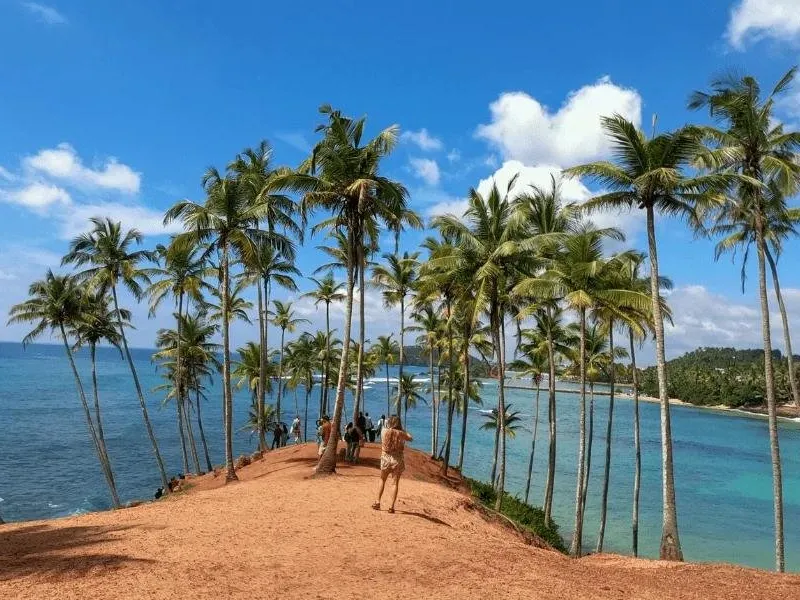
Mirissa, Matara District
Coastal viewpoint overlooking Mirissa's palm-fringed shore. Visitors can enjoy beautiful sunrise and sunset scenery, tropical landscapes, and a peaceful seaside atmosphere.
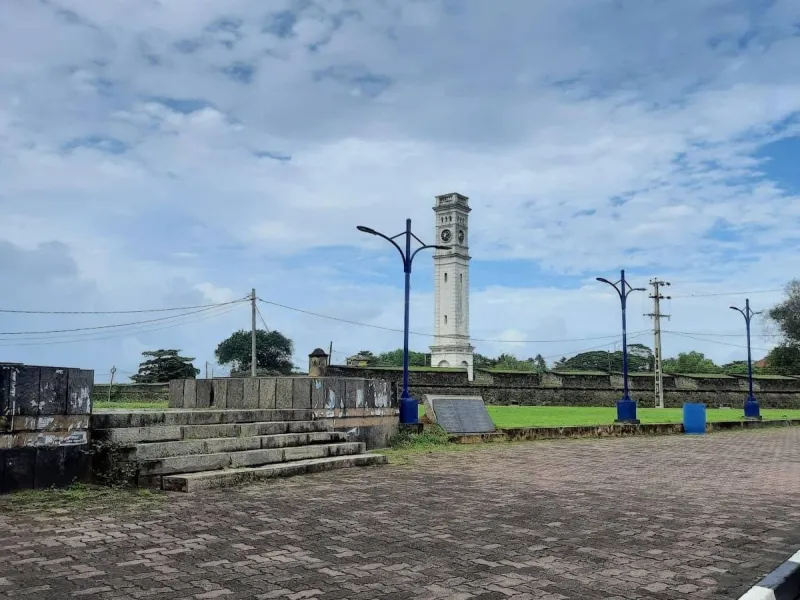
Matara, Matara District
Matara Clock Tower is a historic colonial-era landmark located on the ramparts of Matara Fort in southern Sri Lanka. Completed in May 1883 during British rule, this elegant white clock tower is an important symbol of Matara's architectural and cultural heritage. Surrounded by old fort walls and the
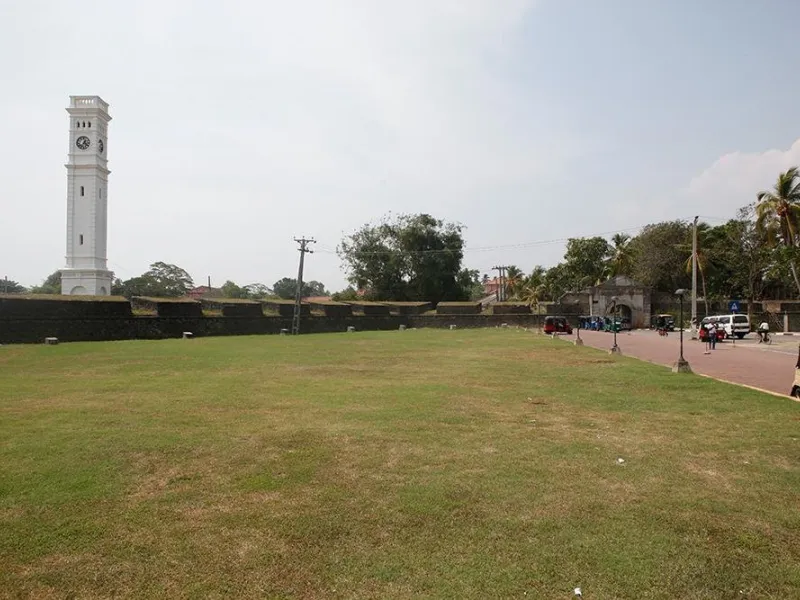
Matara, Matara District
Situated near the mouth of the Nilwala River and the Indian Ocean, it offers visitors an opportunity to explore Sri Lanka's colonial architecture, military history, and cultural heritage.
Get the Tap to Lanka app
Tap Share, then “Add to Home Screen”.
Cookies
We use cookies to keep you signed in. With your OK we also count visits to improve the site. Privacy policy