Skip to content
Tap to Lanka

Nuwara Eliya Racecourse Grounds

Nuwara Eliya, Nuwara Eliya District

Get directions

Explore Nuwara Eliya Racecourse Grounds, a historic horse-racing venue established in 1875. Surrounded by beautiful green hills and cool mountain scenery, the racecourse is famous for its colonial sporting heritage, annual April horse races, and prestigious Governor's Cup celebrations.

Best time to visit
April
Opening hours
Event-based access.
Entry fee
Varies by event
Dress code
Comfortable clothing and a light jacket
Time needed
2-4 hours

Highlights

  • Historic horse-racing venue established in 1875
  • One of the world's highest horse-racing grounds
  • Traditional British colonial sporting heritage
  • Prestigious Governor's Cup horse-racing event
  • Annual April horse-racing celebrations
  • Historic grandstand and spectator facilities
  • Expansive green turf racing track
  • Beautiful surrounding highland and mountain scenery
  • Scenic photography opportunities from permitted areas
  • Important landmark of Nuwara Eliya's April holiday season
  • Connection to Sri Lanka's sporting and cultural history
  • Convenient location near Gregory Lake and Victoria Park

Nuwara Eliya Racecourse Grounds - A Historic Sporting Landmark in Sri Lanka's Hill Country

Nuwara Eliya Racecourse Grounds is a historic horse-racing venue located in the heart of Nuwara Eliya, Sri Lanka's Central Province. Surrounded by rolling green hills, beautiful mountain scenery, and a refreshing highland climate, the racecourse represents an important part of the town's colonial sporting heritage.

Known for its annual horse-racing events and prestigious Governor's Cup, the racecourse is a distinctive destination for sports enthusiasts, history lovers, photographers, and travellers exploring Nuwara Eliya.

Historical Background and Colonial Sporting Heritage

The history of horse racing in Nuwara Eliya dates back to the 1840s, when John Baker introduced horse-racing activities to the region.

The first official race meeting was held in 1875 under the organisation of the Nuwara Eliya Gymkhana Club.

During the British colonial period, Nuwara Eliya became a popular highland holiday destination, where recreational activities such as horse racing, golf, and other sports became important parts of the social calendar.

The racecourse developed into one of the town's most recognised sporting landmarks, attracting visitors and racing enthusiasts during the annual holiday season.

Racecourse Architecture and Grounds

Nuwara Eliya Racecourse features a large oval turf track surrounded by open grassland, spectator areas, and traditional racing facilities.

Situated approximately 1,868 metres above sea level, it is recognised as one of the world's highest horse-racing venues.

The historic grandstand, racing track, surrounding buildings, and green landscapes contribute to the racecourse's distinctive appearance.

Its highland setting provides attractive views of the surrounding mountains and countryside.

Governor's Cup and Annual Horse Racing

The Governor's Cup is among the most prestigious horse-racing events associated with Nuwara Eliya Racecourse.

Traditionally celebrated during the April holiday season, the event brings together racehorse owners, jockeys, trainers, and spectators.

Other notable racing events include the Queen's Cup and additional competitions organised during scheduled race meetings.

These events preserve the long-standing sporting traditions of Nuwara Eliya and contribute to its seasonal tourism activities.

Visitors interested in attending a race should check the official racing calendar, as events are held on selected dates rather than every day.

Scenic Highland Environment

Beyond its sporting importance, Nuwara Eliya Racecourse is known for its attractive natural surroundings.

The expansive green turf, open landscape, mist-covered hills, and cool mountain air create an appealing setting for sightseeing and photography from permitted viewing areas.

During clear weather, visitors can appreciate the scenic combination of historic sporting facilities and the surrounding highland environment.

Cultural and Tourism Significance

Nuwara Eliya Racecourse forms an important part of the town's identity as a historic hill-country resort.

Horse racing has long been associated with the town's traditional April holiday season, when visitors gather for sporting events, flower exhibitions, and cultural celebrations.

The racecourse reflects the influence of British colonial recreation while continuing to contribute to Sri Lanka's modern sporting and tourism heritage.

Nearby Attractions and Visitor Experiences

The racecourse is conveniently located near several popular Nuwara Eliya attractions, including Gregory Lake and Victoria Park.

Its central location makes it a suitable addition to a sightseeing journey around Nuwara Eliya town.

Visitors can appreciate the racecourse surroundings, learn about its historical importance, and attend organised horse-racing events when scheduled.

A Unique Heritage and Sporting Destination

Nuwara Eliya Racecourse Grounds offers a distinctive combination of historical significance, sporting tradition, and scenic highland beauty.

Its long connection with horse racing, traditional grandstand, mountain surroundings, and annual events make it an interesting destination for visitors exploring Sri Lanka's Central Province.

Visitors should respect racing operations, follow venue regulations, and enjoy the surroundings only from authorised public areas.
Photos

How to get there

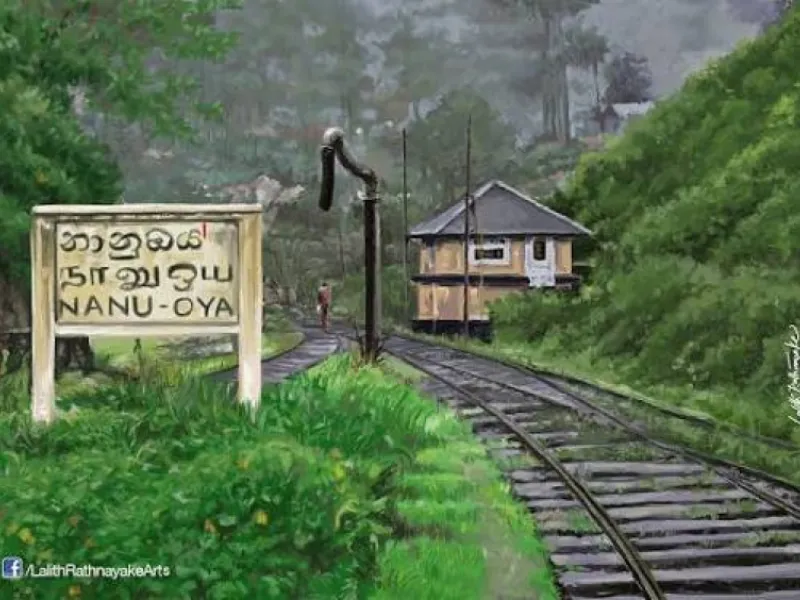
Nuwara Eliya Racecourse Grounds is located in the centre of Nuwara Eliya town, Sri Lanka's Central Province, near Gregory Lake and Victoria Park. Visitors staying in Nuwara Eliya town can reach the racecourse by walking, taxi, three-wheeler, or private vehicle, depending on their starting location. Travellers arriving from Colombo or Kandy can follow the main road connections towards Nuwara Eliya and continue to the racecourse using the town's local roads. Visitors travelling by train can arrive at Nanu Oya Railway Station, approximately 9–10 kilometres from Nuwara Eliya town, and continue by taxi, three-wheeler, or locally available bus services. The main racecourse entrance is associated with the Nuwara Eliya–Badulla Road. Visitors attending organised events should confirm the designated entrance, parking arrangements, and event schedule before travelling. Use GPS coordinates 6.96332, 80.76938 to locate the racecourse grounds. These coordinates identify the racecourse area rather than a specifically verified entrance.

Tips for visitors

Check the official horse-racing calendar before planning your visit. Visit during April to experience the traditional racing season. Confirm ticket prices, entry requirements, and spectator access in advance. Arrive early on race days to avoid crowds and traffic delays. Carry a light jacket because Nuwara Eliya's highland climate can be cool. Wear comfortable footwear suitable for outdoor sightseeing. Follow any dress code specified for reserved or premium spectator areas. Take photographs only from permitted locations. Stay away from racing tracks, stables, and restricted operational areas. Do not feed, approach, or disturb racehorses without permission. Keep children accompanied during crowded events. Use designated parking and entrance areas. Carry drinking water and sun or rain protection. Respect the historical grandstand and other venue facilities. Keep the grounds clean and follow instructions from event organisers.

Frequently asked questions

Where is Nuwara Eliya Racecourse Grounds located?

Nuwara Eliya Racecourse Grounds is situated in the heart of Nuwara Eliya town, Sri Lanka's Central Province. Located near Victoria Park and Gregory Lake, the racecourse is easily accessible through the local road network. Visitors can use GPS coordinates 6.96332, 80.76938 for navigation.

Why is Nuwara Eliya Racecourse famous?

Nuwara Eliya Racecourse is famous for its historic horse-racing tradition, which dates back to 1875. Situated approximately 1,868 metres above sea level, it is one of the world's highest racecourses. The venue is particularly well known for the prestigious Governor's Cup and Queen's Cup competitions held during the traditional racing season.

What is the best time to visit Nuwara Eliya Racecourse Grounds?

April is the most popular time to visit Nuwara Eliya Racecourse because of the traditional horse-racing season and holiday celebrations. Visitors interested in the scenic grounds and historic surroundings may consider other months, subject to public access arrangements. Official racing schedules should be checked before travelling.

What are the opening hours and entrance fees for Nuwara Eliya Racecourse Grounds?

Nuwara Eliya Racecourse operates as a sporting venue, and access arrangements depend on scheduled races and other events. Official general visiting hours and current entrance fees have not been independently verified. Some events may have different ticket categories or restricted spectator areas. Visitors should confirm the latest details with the event organisers before travelling.

What can visitors experience at Nuwara Eliya Racecourse Grounds?

Visitors can appreciate the historic racecourse, green turf, traditional grandstand, and surrounding mountain scenery from permitted areas. During scheduled events, they may watch horse-racing competitions and experience the atmosphere of Nuwara Eliya's sporting traditions. Visitors should follow venue regulations and avoid entering restricted racing or stable areas.

Visitor reviews

No reviews yet. Been here? Share your tips for other visitors.

Sign in to write a review
Suggest an edit or report wrong info

More places nearby

See all →
Hatton Railway Station Heritage Building
Historical & heritage sites

Hatton Railway Station Heritage Building

Nuwara Eliya, Nuwara Eliya District

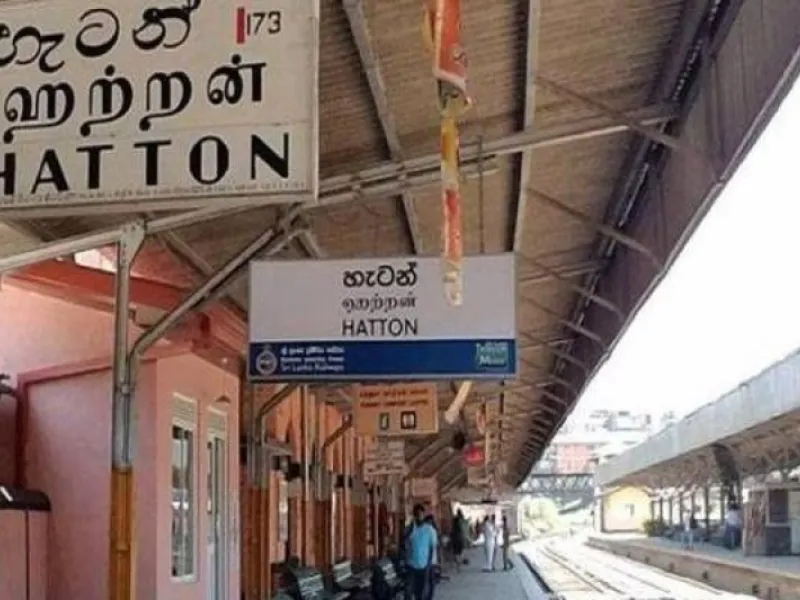
Discover Hatton Railway Station, a historic colonial-era railway landmark established in 1884. Surrounded by scenic tea plantations and misty highland landscapes, the station showcases Sri Lanka's railway heritage and serves as an important gateway to Adam's Peak and the central hill country.

Nanu Oya Railway Station
Historical & heritage sites

Nanu Oya Railway Station

Nuwara Eliya, Nuwara Eliya District

Discover Nanu Oya Railway Station, a historic railway landmark and the main train gateway to Nuwara Eliya. Established in 1885, the station is known for its beautiful hill-country railway journeys, colonial-era heritage, surrounding tea plantations, and scenic mountain landscapes.

Horton Plains National Park
National parks & wildlife Must see

Horton Plains National Park

Hatton, Nuwara Eliya District

Horton Plains National Park is a UNESCO-listed natural wonder in Sri Lanka's Central Highlands, famous for its misty grasslands, cloud forests, World's End viewpoint, Baker's Falls and diverse wildlife.

World's End Viewpoint
Mountains, hikes & viewpoints Must see

World's End Viewpoint

Hatton, Nuwara Eliya District

World's End is a spectacular cliff viewpoint in Horton Plains National Park, famous for its dramatic vertical drop and breathtaking panoramic views of Sri Lanka's Central Highlands, valleys and distant southern coastline.

Gregory Lake
Lakes & reservoirs

Gregory Lake

Nuwara Eliya, Nuwara Eliya District

Gregory Lake is a reservoir in Nuwara Eliya, Sri Lanka, built in 1873 under British Governor Sir William Gregory. Covering 91.2 hectares, it is a recreational area offering boating, pony riding, walking paths, picnic areas, and lakeside activities.

Lover's Leap Waterfall
Waterfalls & rivers

Lover's Leap Waterfall

Nuwara Eliya, Nuwara Eliya District

Lover's Leap Waterfall is a scenic 30-metre-high waterfall in Hawa Eliya, Nuwara Eliya, surrounded by lush tea plantations. Famous for its tragic romantic legend, it offers beautiful mountain views and a peaceful nature escape.

Get directions Plan trip