Skip to content
Tap to Lanka

Polonnaruwa Ancient City

Polonnaruwa, Polonnaruwa District

Get directions

Explore the UNESCO World Heritage-listed Ancient City of Polonnaruwa, featuring magnificent royal palaces, Buddhist temples, ancient sculptures, and remarkable medieval architecture.

Best time to visit
Early morning (7:00 AM–10:00 AM) or late afternoon (3:00 PM–5:00 PM) to avoid the midday heat and enjoy comfortable sightseeing.
Opening hours
7:00 AM–5:00 PM
Entry fee
Foreign adults USD 30; children (6–12) USD 15; SAARC nationals 50% concession with valid passport. Local rates to be verified.
Dress code
Wear modest clothing covering shoulders and knees at religious sites. Remove shoes and hats before entering sacred areas. Comfortable walking shoes, a sunhat, and lightweight clothing are recommended
Time needed
4–6 hours for the main attractions; a full day for detailed exploration.

Highlights

  • UNESCO World Heritage Site since 1982
  • Ancient Royal Palace of King Parakramabahu I
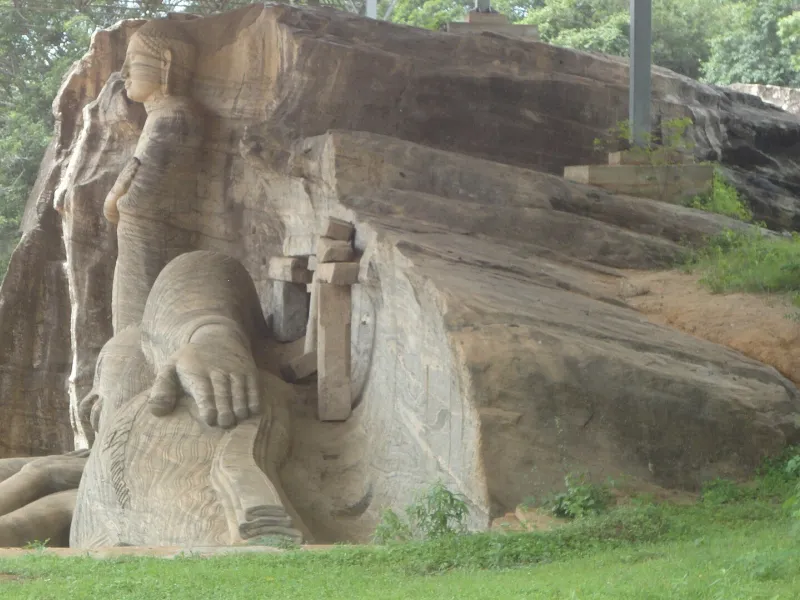
  • Famous Gal Vihara Buddha sculptures
  • Sacred Quadrangle and Polonnaruwa Vatadage
  • Beautiful Buddhist temples and stupas
  • Ancient irrigation and water management systems
  • Remarkable medieval architecture and stone carvings
  • Historic monuments and archaeological ruins
  • Scenic cycling routes through the Ancient City

Polonnaruwa Ancient City is one of Sri Lanka’s most remarkable historical destinations, located in the North Central Province. It became the island’s second major medieval capital and flourished during the 11th to 13th centuries. The city is especially famous for its impressive architecture, religious monuments, and advanced irrigation systems.

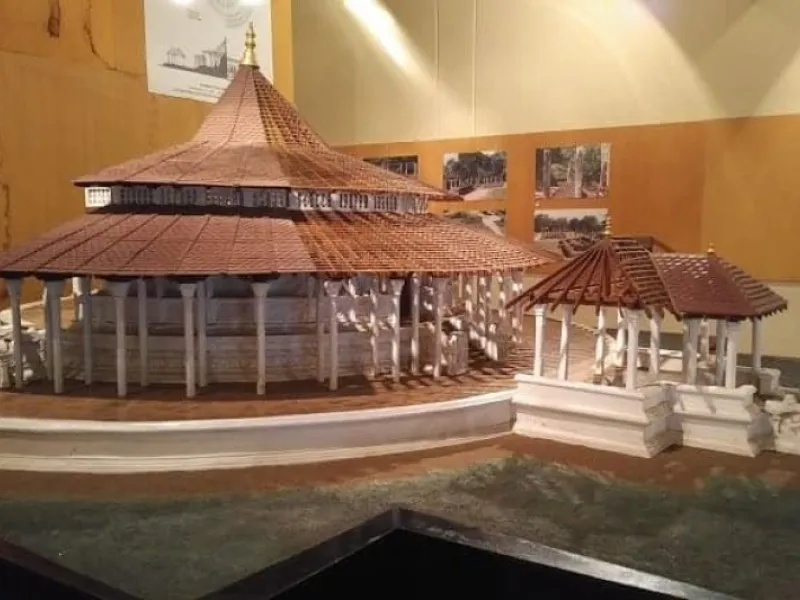
Visitors can explore magnificent attractions such as the Royal Palace of King Parakramabahu I, Gal Vihara, Polonnaruwa Vatadage, Sacred Quadrangle, and Rankoth Vehera. These monuments showcase the artistic achievements, Buddhist heritage, and engineering skills of ancient Sri Lankan civilization.

King Parakramabahu I played an important role in developing the city, including its remarkable water management systems and royal buildings. In 1982, Polonnaruwa was recognized as a UNESCO World Heritage Site.

Today, the ancient city attracts travelers, historians, and cultural enthusiasts from around the world. Visitors can explore its fascinating ruins by walking, cycling, or using local transport.

Photos

How to get there

Polonnaruwa Ancient City is located in Sri Lanka's North Central Province, approximately 230 km from Colombo. Visitors can travel to Polonnaruwa by car, bus, or train. From Polonnaruwa town or Kaduruwela, take a tuk-tuk, taxi, or bicycle to the archaeological site. Cycling is a popular way to explore the ruins, while private vehicles offer greater comfort. Follow Google Maps to the official entrance and purchase an admission ticket before exploring.

Tips for visitors

Start your visit early to avoid the midday heat. Carry drinking water, sunscreen, and a hat. Wear comfortable walking shoes for exploring the ruins. Dress modestly and remove shoes and hats at sacred Buddhist sites. Do not touch, climb, or damage ancient monuments. Avoid posing with your back to Buddha statues for photographs. Keep your admission ticket throughout your visit. Consider renting a bicycle or hiring a licensed local guide. Respect wildlife, archaeological restrictions, and photography rules. Allow at least 4–6 hours to explore the main attractions.

Frequently asked questions

Where is Polonnaruwa Ancient City located?

Polonnaruwa Ancient City is located in the North Central Province of Sri Lanka, near Polonnaruwa town. It is a UNESCO World Heritage Site and one of the country's most important historical destinations.

What can visitors see at Polonnaruwa Ancient City?

Visitors can explore the Royal Palace of King Parakramabahu I, Gal Vihara, Sacred Quadrangle, Polonnaruwa Vatadage, Rankoth Vehera, ancient temples, Buddha sculptures, and historic irrigation structures.

When is the best time to visit Polonnaruwa Ancient City?

Early morning between 7:00 AM and 10:00 AM or late afternoon between 3:00 PM and 5:00 PM is recommended. May to September is generally a drier period, although the site is open throughout the year.

What are the opening hours and entry fees for Polonnaruwa Ancient City?

CCF lists opening hours of 7:00 AM–5:00 PM daily. Published foreign admission rates are USD 30 for adults and USD 15 for children aged 6–12. Eligible SAARC visitors receive a 50% concession with a valid passport. Local rates should be confirmed with CCF.

How do I get to Polonnaruwa Ancient City, and what should I know before visiting?

Travel to Polonnaruwa by car, bus, or train, then use local transport to reach the archaeological zone. Allow 4–6 hours, carry water, wear comfortable clothing, dress modestly at sacred sites, and follow heritage conservation rules.

Visitor reviews

No reviews yet. Been here? Share your tips for other visitors.

Sign in to write a review
Suggest an edit or report wrong info

More places nearby

See all →
Polonnaruwa Vatadage
Historical & heritage sites

Polonnaruwa Vatadage

Polonnaruwa, Polonnaruwa District

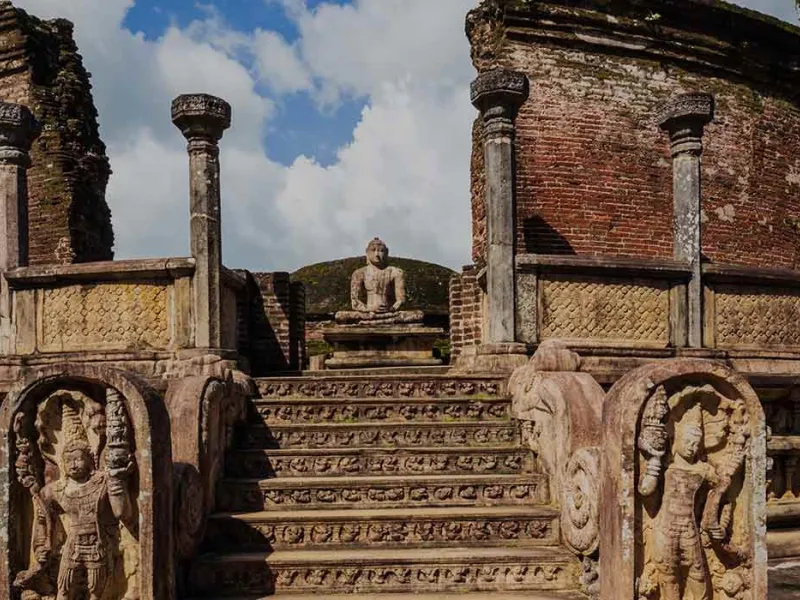
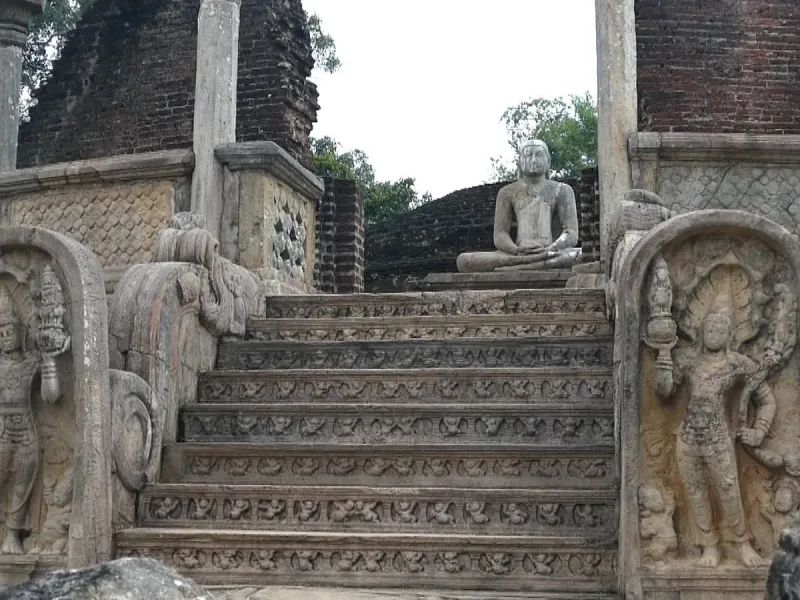
Discover the magnificent circular Buddhist relic shrine of Polonnaruwa, featuring beautifully carved stone pillars, moonstones, guardstones, and four seated Buddha statues.

Sacred Quadrangle (Dalada Maluwa)
Historical & heritage sites

Sacred Quadrangle (Dalada Maluwa)

Polonnaruwa, Polonnaruwa District

Explore the Sacred Quadrangle of Polonnaruwa, a historic Buddhist complex featuring the Vatadage, ancient relic shrines, beautiful stone carvings, and remarkable medieval architecture.

Royal Palace of Parakramabahu
Historical & heritage sites

Royal Palace of Parakramabahu

Polonnaruwa, Polonnaruwa District

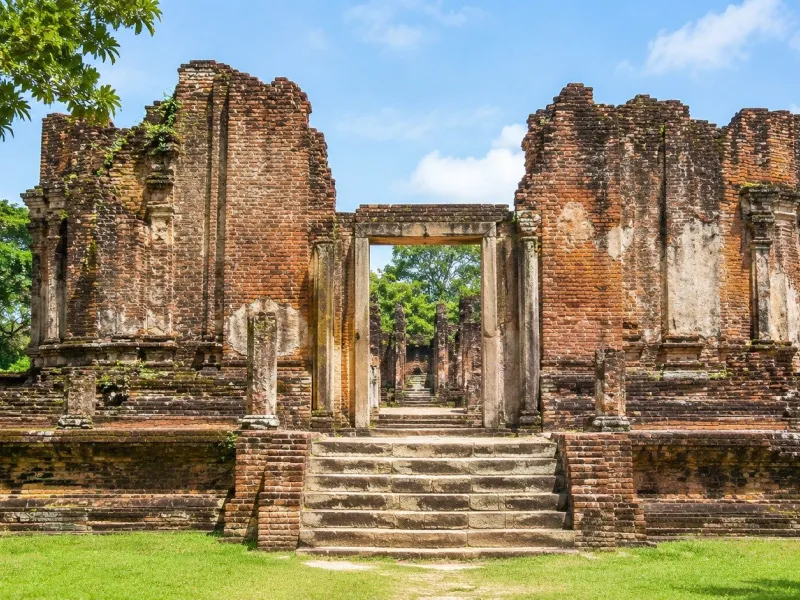
Explore the magnificent 12th-century Royal Palace of King Parakramabahu I, famous for its massive brick walls, historic architecture, and royal heritage in Polonnaruwa.

King’s Council Chamber
Historical & heritage sites

King’s Council Chamber

Polonnaruwa, Polonnaruwa District

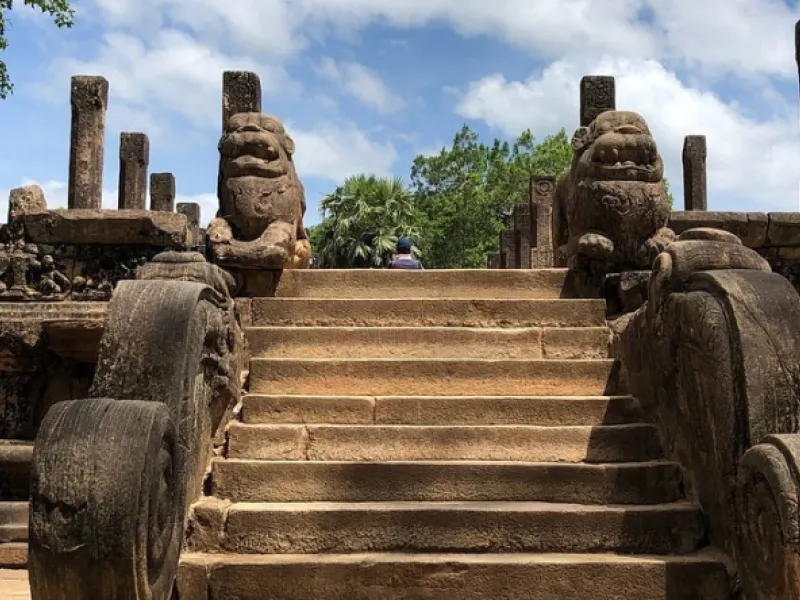
Explore the 12th-century royal assembly hall of King Parakramabahu I, famous for its carved stone pillars, elephant and lion sculptures, and ancient administrative heritage.

Polonnaruwa Archaeological Museum
Museums & culture

Polonnaruwa Archaeological Museum

Polonnaruwa, Polonnaruwa District

Discover ancient sculptures, archaeological artifacts, architectural models, and cultural exhibits showcasing the history and heritage of the Polonnaruwa Kingdom.

Gal Vihara
Buddhist temples

Gal Vihara

Polonnaruwa, Polonnaruwa District

Discover four magnificent Buddha images carved into a granite rock face at Gal Vihara, one of Sri Lanka's finest 12th-century Buddhist monuments.

Get directions Plan trip