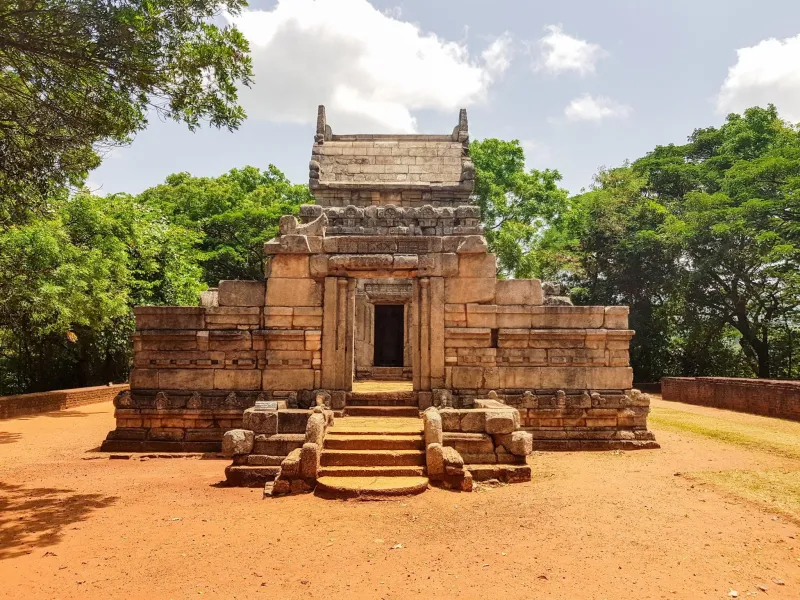
Nalanda Gedige
Dambulla, Matale District
Early stone sanctuary showing a distinctive blend of South Asian architectural traditions.
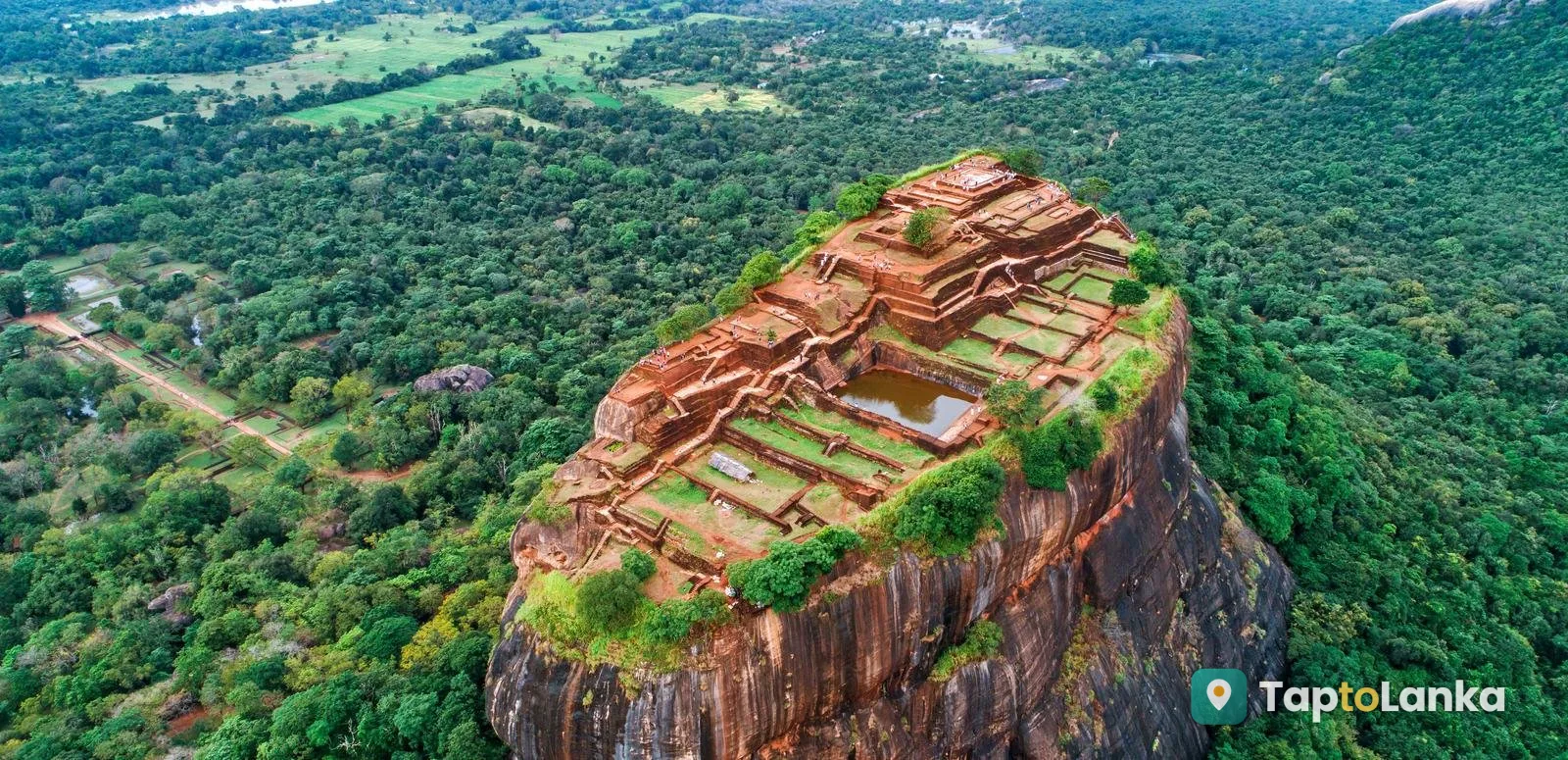
UNESCO-listed ancient rock citadel with frescoes, landscaped gardens and summit ruins.
Sigiriya Rock Fortress, also known as Lion Rock (Sinhagiri), is one of Sri Lanka's most famous historical and archaeological landmarks. Located in the Matale District, near Dambulla, it is a massive rock formation rising approximately 180–200 metres above the surrounding landscape. Sigiriya was developed as a royal palace and fortress by King Kashyapa I during the 5th century (477–495 AD). The site is well known for its remarkable ancient architecture, advanced water gardens, beautiful frescoes, Mirror Wall, Lion's Paw entrance and the remains of the royal palace at the summit. Visitors can climb to the top using staircases and pathways while enjoying spectacular panoramic views of the surrounding forests, lakes and countryside. The Water Gardens demonstrate the advanced engineering skills of ancient Sri Lankan civilisation, while the frescoes showcase its artistic heritage. After King Kashyapa's reign, Sigiriya was used as a Buddhist monastery before eventually being abandoned. Recognised as a UNESCO World Heritage Site in 1982, Sigiriya is an important symbol of Sri Lanka's history, culture and architectural achievements. Today, it attracts both local and international tourists who visit to explore its history, enjoy nature, experience the climbing adventure and admire its breathtaking scenery. |
Travel to Sigiriya using local roads or public transport; confirm the final approach and access point on the map before departure.
Respect fragile structures and any photography or conservation rules.
Sigiriya Rock Fortress is in Sigiriya, Sri Lanka. Use the Google Maps link to check the exact approach and current directions.
Discover local history and examine features accessible to visitors without damaging them.
Daylight usually provides the best sightseeing conditions; check site schedules.
5am -6.30pm and Non-SAARC foreign adults (12 years and above) pay US$35, while children aged 6–12 pay US$20. SAARC foreign adults and children pay US$20 each. Children under 6 years can enter free of charge. Sri Lanka
Travel to Sigiriya using local roads or public transport; confirm the final approach and access point on the map before departure. Respect fragile structures and any photography or conservation rules.
No reviews yet. Been here? Share your tips for other visitors.
Sign in to write a review
Dambulla, Matale District
Early stone sanctuary showing a distinctive blend of South Asian architectural traditions.
Dambulla, Matale District
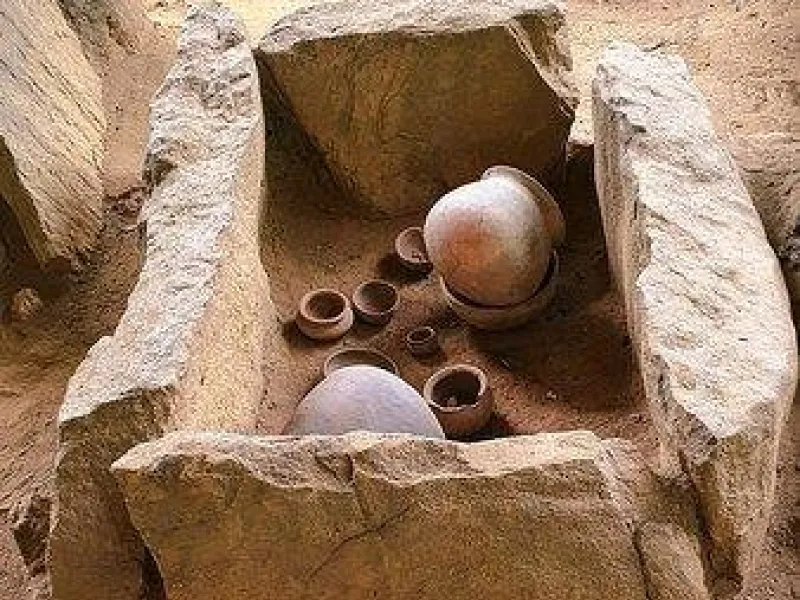
Ibbankatuwa Megalithic Tombs is an important ancient burial site in Sri Lanka, dating to the Early Iron Age and protohistoric period. It is famous for its stone burial chambers, ancient pottery, urn burials and archaeological discoveries that provide information about early Sri Lankan communities.
Sigiriya, Matale District
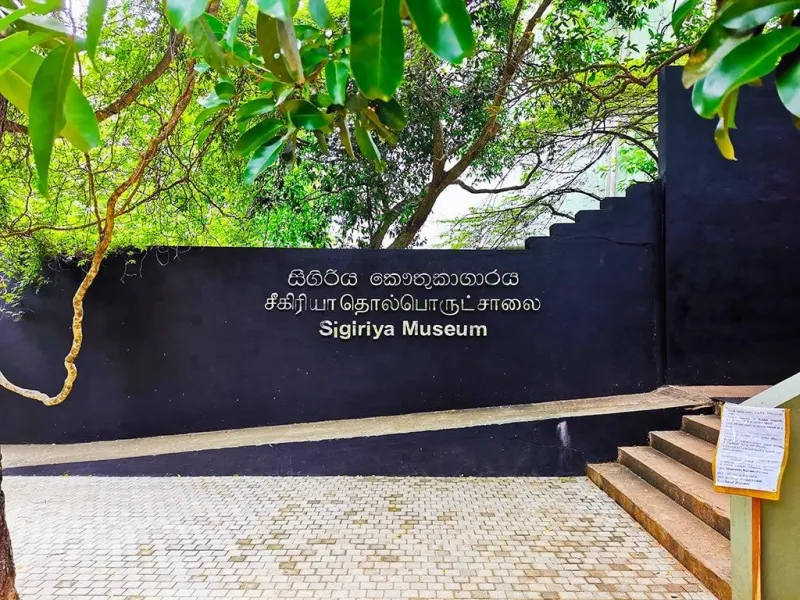
Sigiriya Archaeological Museum is a modern museum displaying the history, archaeology and cultural heritage of Sigiriya. It features archaeological discoveries, ancient artefacts, photographs, models, sculptures and information about the people and civilisation associated with the ancient site.
Dambulla, Matale District
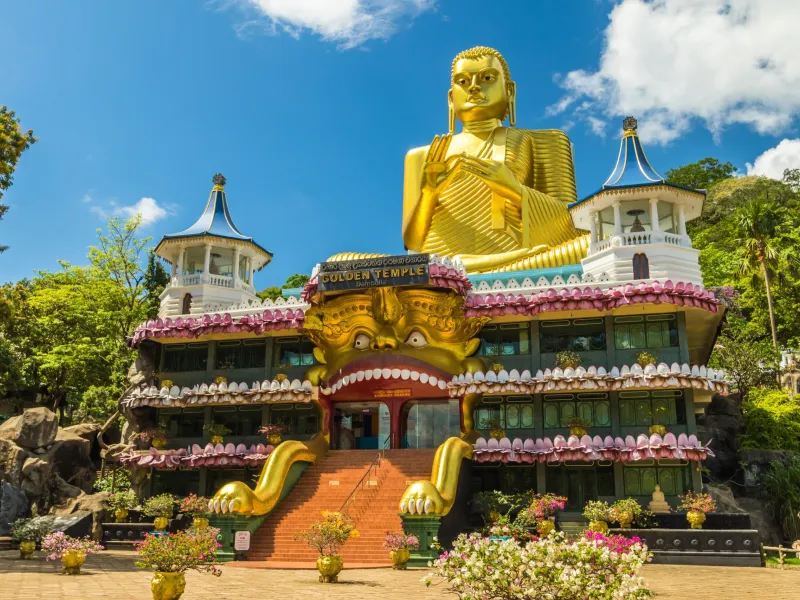
Buddhist temple complex at the base of the Dambulla cave sanctuary.
Sigiriya, Matale District
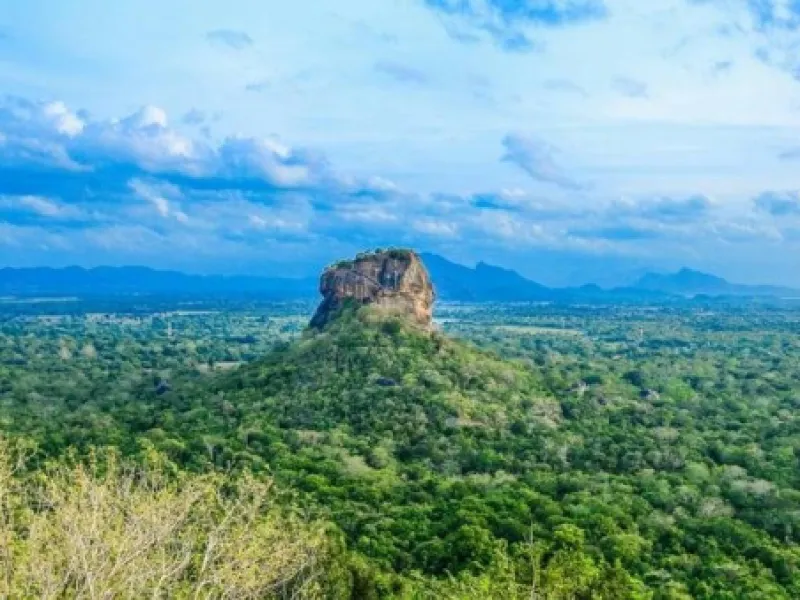
Rock hike renowned for open views across Sigiriya and its surrounding plains.
Dambulla, Matale District
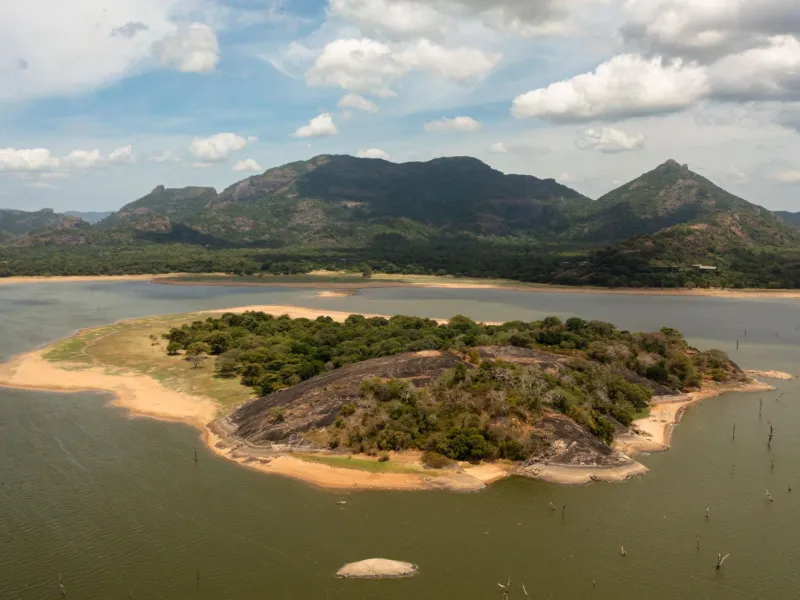
Kandalama Reservoir is a scenic irrigation reservoir near Dambulla in Sri Lanka. It is known for its beautiful water views, surrounding forests, rocky hills and its importance in supplying irrigation water to agricultural areas.
Get the Tap to Lanka app
Tap Share, then “Add to Home Screen”.
Cookies
We use cookies to keep you signed in. With your OK we also count visits to improve the site. Privacy policy