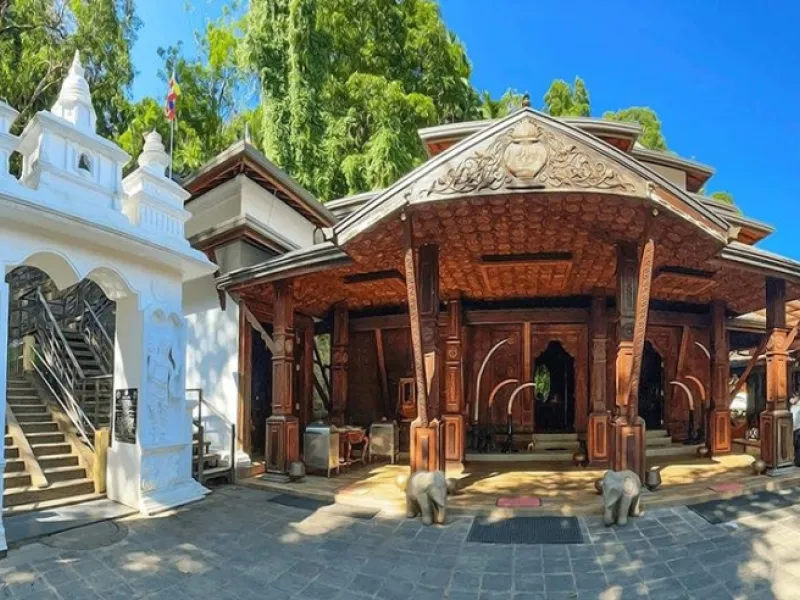
Buddhist temples
Matara, Matara District
Buddhist complex noted for a large seated Buddha and painted tunnels. Weherahena Temple, Weherahena Poorvarama Rajamaha Viharaya, Weherahena Viharaya - Alternative Names
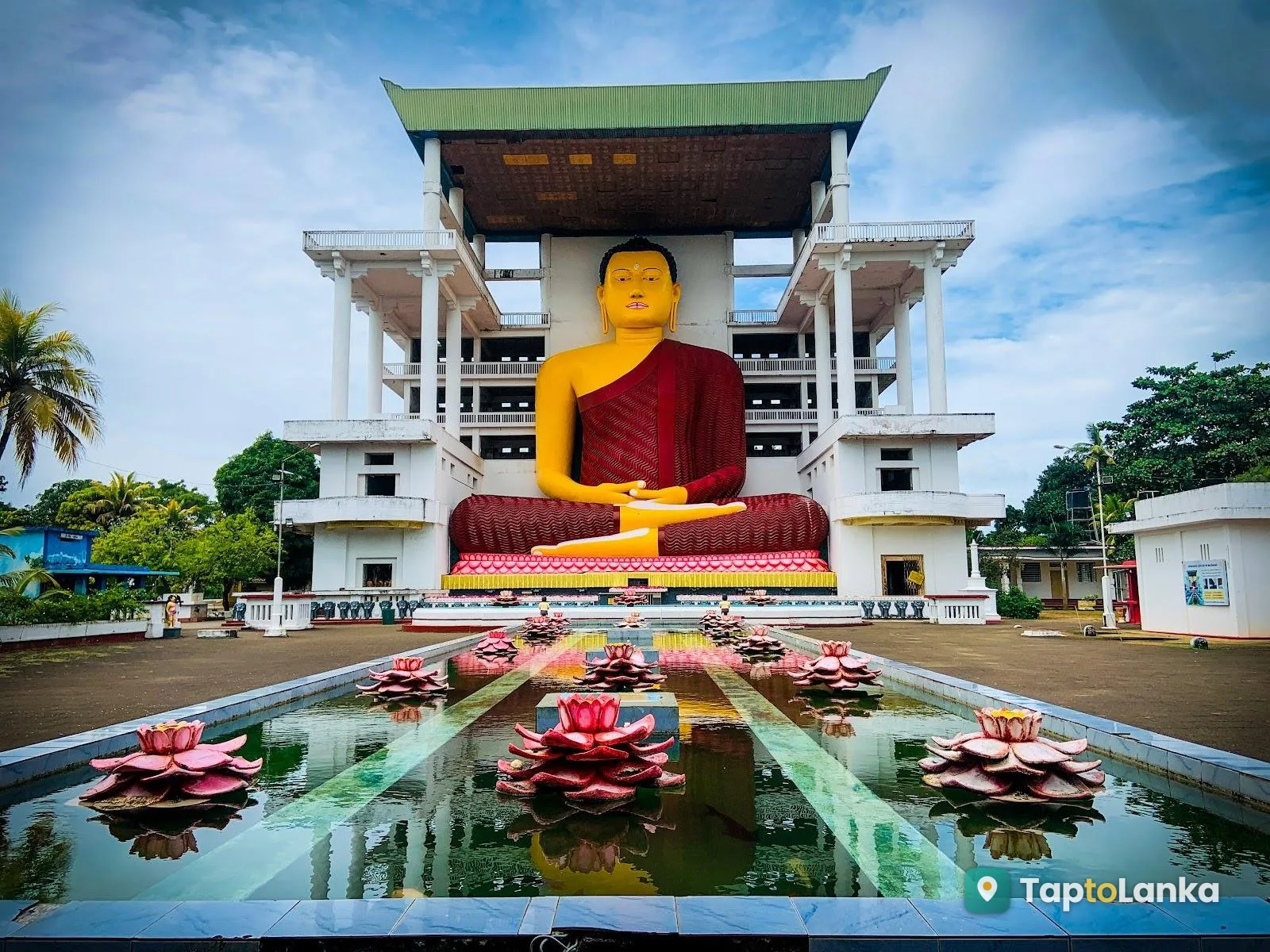
Weherahena Poorwarama Raja Maha Viharaya, commonly known as Weherahena Temple, is an important Buddhist religious landmark located a few kilometres east of Matara town in Sri Lanka's Southern Province. The temple is especially famous for its enormous seated Buddha statue, remarkable underground tunnel shrine, colourful Buddhist murals, and distinctive modern religious architecture.
The development of Weherahena Temple is closely associated with the Buddhist monk Ven. Parawahera Revatha Thero. According to the temple's traditional history, the original site was a small area of undeveloped land containing a Bodhi tree. With the assistance of local devotees, the monk gradually developed the property into a place of Buddhist worship and religious education.
A major stage in the temple's development began in 1939, when Anagarika Dharmapala is traditionally credited with laying the foundation stone. The project included an underground tunnel temple inspired by Buddhist Jataka literature. Over time, the site developed into a large religious complex attracting pilgrims from across Sri Lanka.
One of its most impressive attractions is the giant seated Buddha statue, commonly described as approximately 39 metres tall. The statue was completed in 1976 and depicts the Buddha in a peaceful meditation posture. A multi-storey structure surrounds much of the statue, allowing visitors to admire its impressive scale from different viewing levels when access is permitted.
Beneath the main statue is the temple's famous underground tunnel, measuring approximately 600 feet in length according to Sri Lanka Tourism. The walls and ceilings feature colourful paintings illustrating stories from the Buddha's life, Jataka tales, Buddhist teachings, and traditional moral lessons. These artworks make the temple an important destination for visitors interested in Buddhist art and religious storytelling.
The tunnel is designed as a series of connected passages containing religious paintings, sculptural decorations, and narrative scenes. Some sections portray the consequences of unwholesome actions through traditional Buddhist depictions of suffering and punishment. These artistic representations are intended to communicate ethical and spiritual lessons.
The main temple grounds also contain a sacred Bodhi tree, religious shrines, a decorative reflecting pool, traditional Buddhist flags, and landscaped areas. The contrast between the monumental Buddha statue and the enclosed painted tunnel creates a distinctive visitor experience.
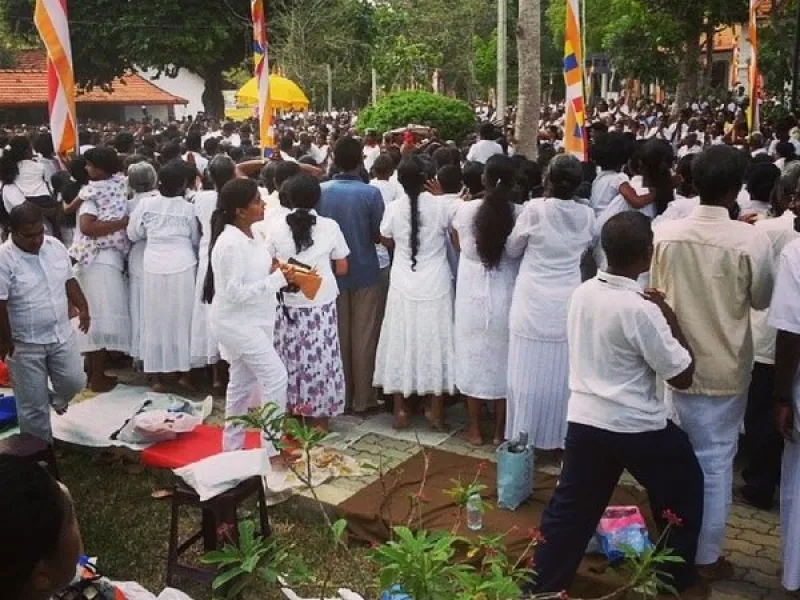
Weherahena Temple continues to function as an active Buddhist place of worship. Devotees visit to offer flowers, light oil lamps, observe religious precepts, and participate in Buddhist ceremonies. Poya days and special religious events may attract larger numbers of pilgrims.
Visitors should dress modestly, remove footwear where required, and respect religious observances. The underground passages and upper viewing areas include steps and enclosed sections, so visitors with mobility limitations should check accessibility before entering.
Today, Weherahena Poorwarama Raja Maha Viharaya remains one of Matara's distinctive religious and cultural attractions. Its giant Buddha statue, elaborate painted tunnel, fascinating modern history, and spiritual atmosphere make it a memorable destination for pilgrims, photographers, students, and travellers exploring southern Sri Lanka.
Weherahena Poorwarama Raja Maha Viharaya is situated approximately 3–4 km east of Matara town, along Weherahena Road near the Matara–Kekanadura road. Visitors travelling from Colombo, Galle, Weligama, or Mirissa can reach Matara by train, public bus, taxi, or private vehicle. From Matara town, take a tuk-tuk or taxi towards Weherahena Temple, or use a local bus serving the Weherahena area. The temple is accessible by local roads, and visitors can follow directions to its main entrance. Confirm transport and parking arrangements locally before visiting.
Dress modestly and remove shoes and hats wherever required. Speak quietly and respect monks, devotees, and religious ceremonies. Allow enough time to explore the underground painted passages, as some sections contain stairs, narrow corridors, and subdued lighting. Visitors with mobility limitations should ask about accessible areas. Some murals depict traditional Buddhist punishment scenes that may be disturbing for young children. Ask permission before photographing shrine interiors or religious ceremonies. Carry drinking water, wear comfortable clothing, and avoid touching historic paintings or statues. Follow instructions from temple staff and make donations only through authorised collection points.
Weherahena Poorwarama Raja Maha Viharaya is in Matara, Sri Lanka. Use the Google Maps link to check the exact approach and current directions.
Explore the religious setting respectfully and observe any worship or visitor restrictions.
Visit during permitted hours and check ceremony schedules.
Hours: To confirm with venue / local authority. Entry fees: To confirm with venue / local authority. Confirm current prices and access rules with the managing authority before visiting.
Travel to Matara using local roads or public transport; confirm the final approach and access point on the map before departure. Dress modestly, remove shoes when required and respect worshippers.
No reviews yet. Been here? Share your tips for other visitors.
Sign in to write a review
Matara, Matara District
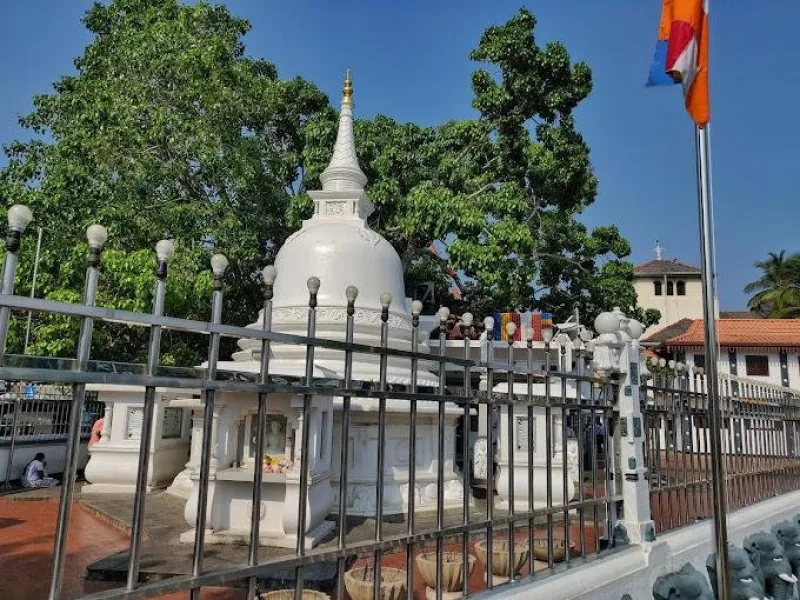
Revered Bodhi-tree shrine and Buddhist place of worship. Matara Bodhi Tree, Matara Bodhi Raja, Historic Matara Bodhiya-Alternative Names
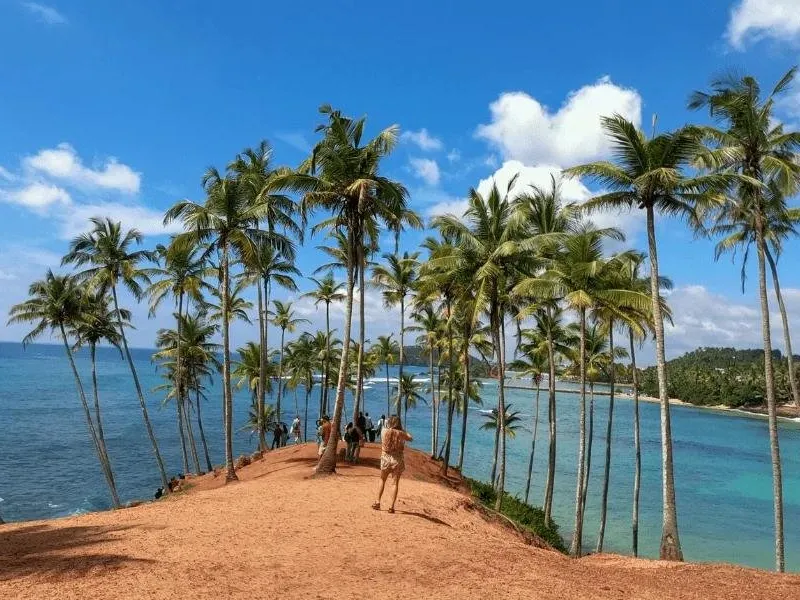
Mirissa, Matara District
Coastal viewpoint overlooking Mirissa's palm-fringed shore. Visitors can enjoy beautiful sunrise and sunset scenery, tropical landscapes, and a peaceful seaside atmosphere.
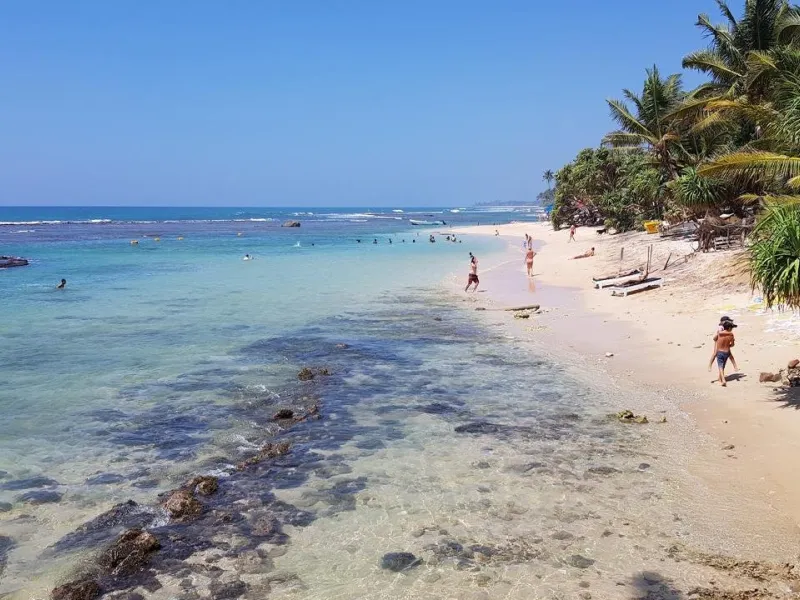
Matara District
Reef-lined beach known for coastal scenery and surf. Madiha Beach is a beautiful tropical beach located near Matara on Sri Lanka's southern coast.
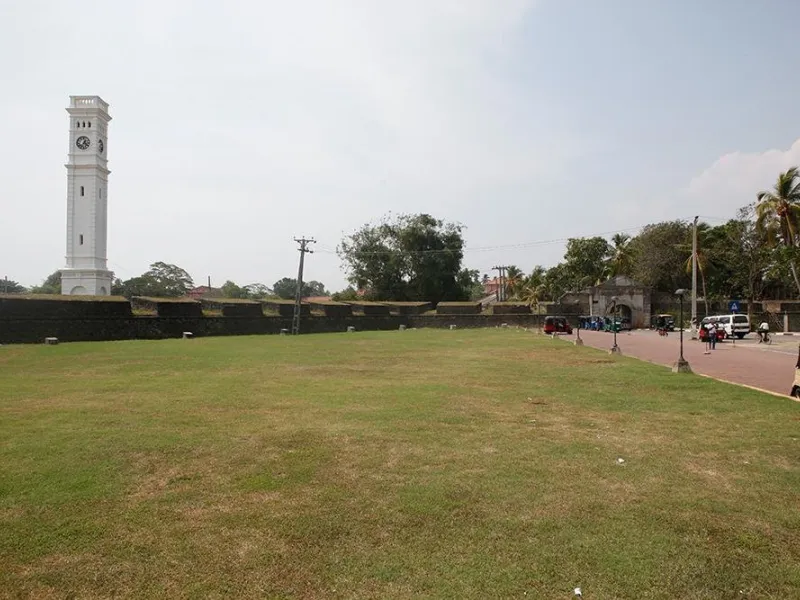
Matara, Matara District
Situated near the mouth of the Nilwala River and the Indian Ocean, it offers visitors an opportunity to explore Sri Lanka's colonial architecture, military history, and cultural heritage.
Get the Tap to Lanka app
Tap Share, then “Add to Home Screen”.
Cookies
We use cookies to keep you signed in. With your OK we also count visits to improve the site. Privacy policy