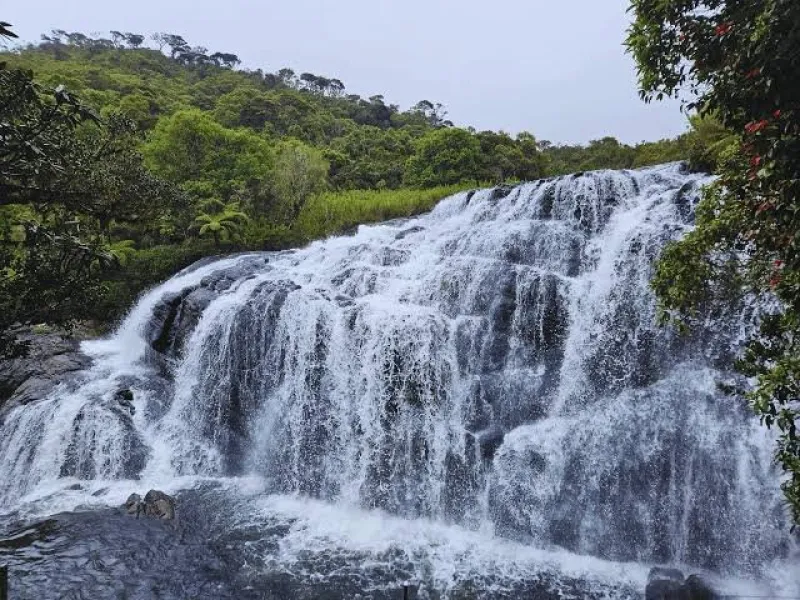
Castlereagh Reservoir is one of the most picturesque reservoirs in Sri Lanka, located near Hatton and Dickoya in the Nuwara Eliya District of the Central Province. Surrounded by rolling green hills, beautiful tea plantations, forested mountains and peaceful countryside, the reservoir offers visitors a memorable experience in the heart of Sri Lanka's famous tea-growing region.
Situated within the breathtaking Central Highlands, Castlereagh Reservoir is an artificial lake created by the construction of the Castlereagh Dam across the Kehelgamu Oya, a major tributary of the Kelani River. Although the reservoir was originally developed for hydroelectric power generation, its remarkable natural surroundings have also made it a popular destination for sightseeing, photography and peaceful countryside exploration.
The reservoir forms an important part of Sri Lanka's Laxapana hydroelectric power system. Water collected in the reservoir is transported through the hydroelectric infrastructure to the Wimalasurendra Power Station near Norton Bridge, where it is used to generate electricity. The power station's two generating units, with a combined capacity of 50 megawatts, were commissioned in January 1965. This connection between engineering and the natural landscape makes Castlereagh Reservoir an interesting destination for visitors who appreciate both scenic beauty and Sri Lanka's infrastructure history.
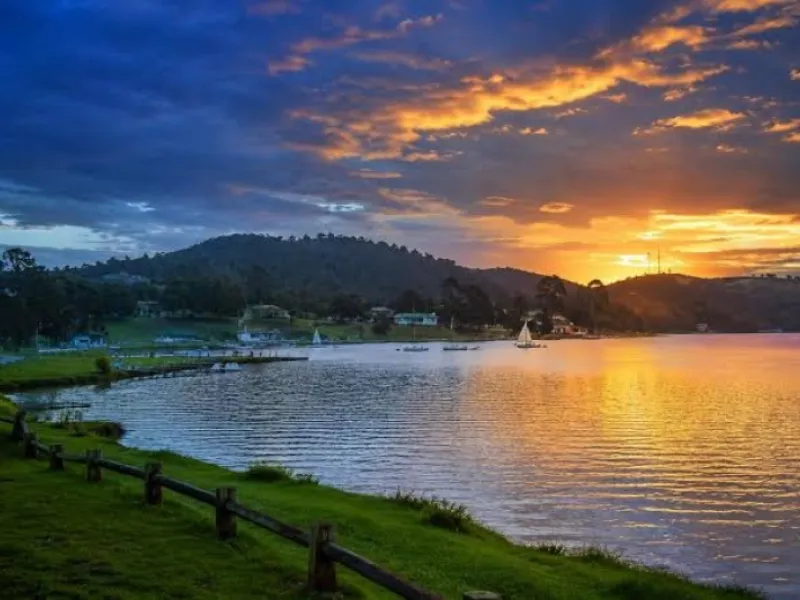
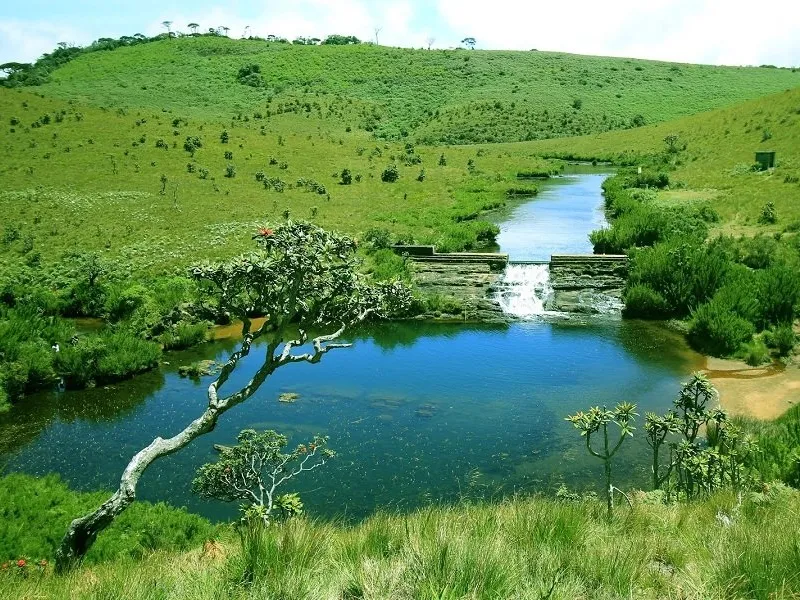
One of the most attractive features of Castlereagh Reservoir is its beautiful setting. The calm blue-green water stretches between steep hillsides covered with neatly maintained tea plantations, tropical vegetation and forested mountain slopes. The winding shoreline, small peninsulas and surrounding greenery create a distinctive landscape that changes throughout the day depending on sunlight, cloud cover and weather conditions.
Early mornings at Castlereagh Reservoir are particularly beautiful. A gentle layer of mist often floats above the water while the surrounding hills remain partly hidden by clouds. As the morning sunlight reaches the valley, the reservoir begins to reflect the green mountains and blue sky, creating excellent opportunities for nature and landscape photography.
The surrounding region is part of Sri Lanka's historic tea country. Tea plantations extend across the hillsides around Dickoya, Hatton and neighbouring estates, forming beautiful patterns along the mountain slopes. Travellers exploring the area can enjoy scenic drives through these plantations, experience the refreshing highland climate and appreciate the peaceful atmosphere of the countryside.
Unlike busy tourist attractions, Castlereagh Reservoir is best experienced through its surrounding roads and viewpoints. Visitors can stop at suitable roadside locations to admire the reservoir, enjoy panoramic views and photograph the beautiful combination of water, tea estates and distant mountains. Some sections of the landscape can also be explored on foot, although visitors should respect private tea estates and restricted reservoir areas.
The reservoir is especially popular among travellers interested in scenic photography, nature appreciation and relaxing hill-country experiences. The peaceful environment makes it an ideal destination for couples, families and visitors who prefer quiet natural attractions. The combination of still water, green hills and cool mountain air provides a refreshing escape from crowded urban environments.
Several boutique hotels, colonial-style bungalows and tea-estate accommodations are located in the surrounding Hatton and Dickoya region. Some properties offer panoramic views of the reservoir and surrounding plantations. Selected accommodation providers or organised operators may also arrange recreational activities such as guided walks, cycling or water-based experiences, depending on availability and safety conditions.
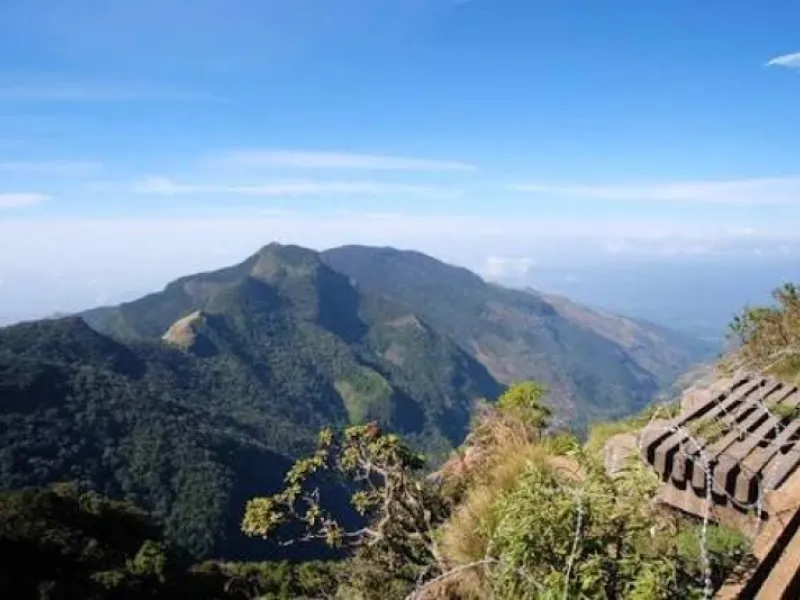
Castlereagh Reservoir is also located within reach of other attractions in Sri Lanka's Central Highlands. Travellers can combine a visit with sightseeing around Hatton, Dickoya, Maskeliya and the surrounding tea estates. The wider region is also associated with the famous Adam's Peak, known locally as Sri Pada, which attracts pilgrims and nature enthusiasts.
The reservoir's appearance changes throughout the year. During wetter periods, the surrounding vegetation becomes especially green, and the landscape can appear beautifully misty. During clearer weather, visitors may enjoy wider views of the water and surrounding hills. The best conditions for photography are generally early morning and late afternoon, when the softer natural light enhances the colours of the landscape.
Although Castlereagh Reservoir offers beautiful scenery, visitors should remember that it is a working hydroelectric reservoir rather than a designated swimming or recreational lake. Swimming is not recommended, and access to dam structures, operational facilities and certain shoreline sections may be restricted. Visitors should remain in safe public viewing areas and follow any instructions provided by local authorities.
Environmental protection is also important when visiting the reservoir. Travellers are encouraged to avoid littering, respect the surrounding tea estates and communities, and protect the natural vegetation and waterways.
Whether you are exploring Sri Lanka's tea country, enjoying a scenic drive through the Central Highlands, photographing beautiful landscapes or simply looking for a peaceful place to appreciate nature, Castlereagh Reservoir offers a wonderful opportunity to experience the beauty and tranquillity of the Hatton region.