Skip to content
Tap to Lanka

Kaludiya Pokuna Forest Monastery

Matale, Matale District

Get directions

Kaludiya Pokuna Forest Monastery is an ancient Buddhist monastery site located within a peaceful forest near Dambulla. It is known for its black-water pond, ancient stone structures, meditation caves, inscriptions and archaeological remains surrounded by natural vegetation.

Best time to visit
Early morning, around 7:00–10:00 AM
Opening hours
Approximately 8:00 AM–5:00 PM
Entry fee
Free entry
Time needed
Approximately 1–2 hours

Highlights

  • Natural black-water pond; ancient Buddhist monastery ruins; Dakkhinagiri Vihara heritage; stone pillars and foundations; ancient inscriptions; drip-ledge meditation caves; stupa remains; forest walking paths; birdwatching; peaceful natural surroundings; historical and cultural photography.

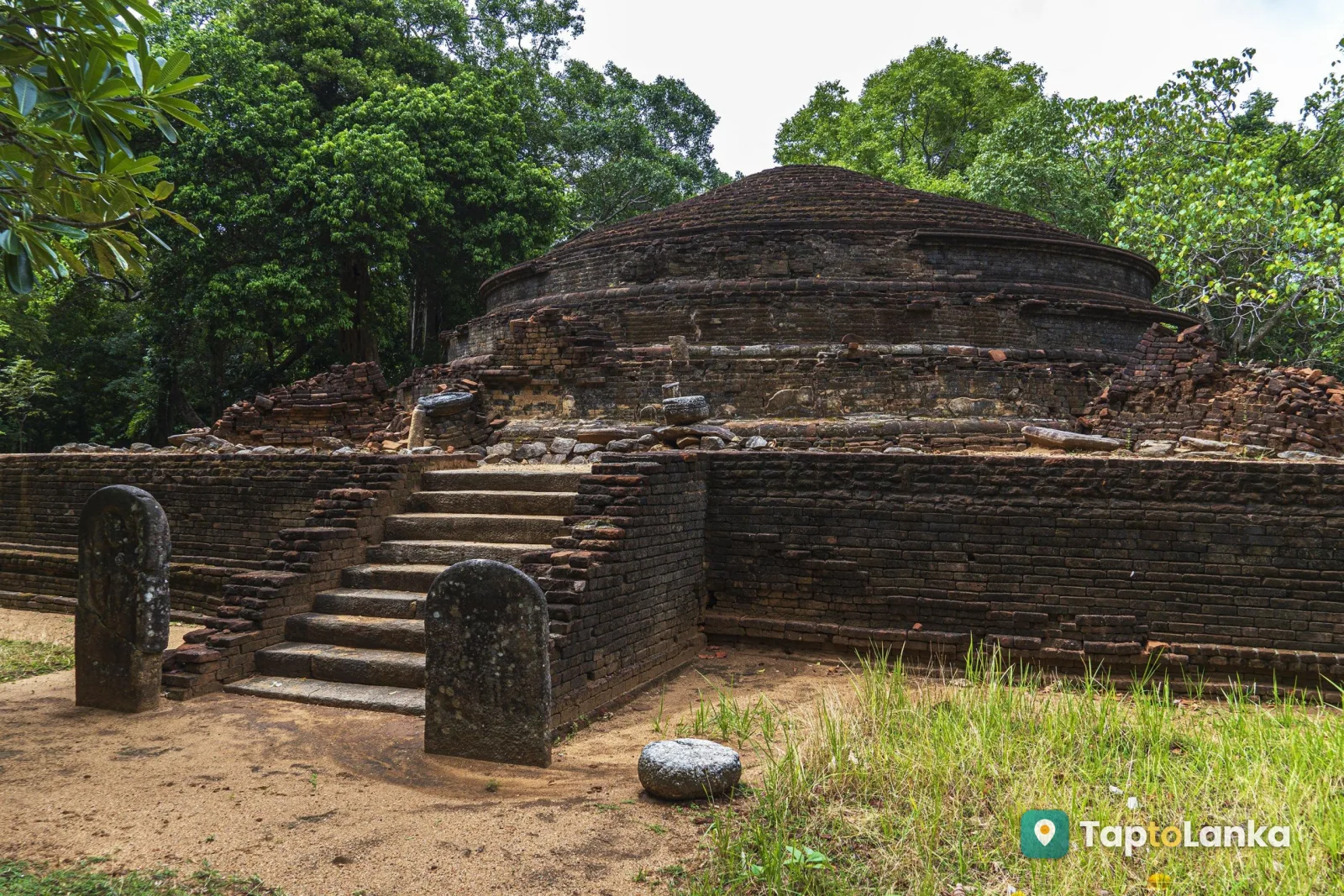
Kaludiya Pokuna Forest Monastery is an archaeological forest site located in Kandalama, near Dambulla in the Matale District of Sri Lanka. The name Kaludiya Pokuna means Black Water Pond, referring to the dark appearance of the water in the natural pond near the monastery. The site is associated with the ancient Buddhist monastic establishment known as Dakkhinagiri Vihara. Historical and archaeological evidence connects the monastery with the Anuradhapura period, although the exact dates of its earliest establishment and development are not completely settled. According to the Matale District Secretariat, the monastery is associated with King Saddhatissa (137–119 BC) and was later developed during the reign of King Aggabodhi (578–612 AD). A ninth-century inscription also refers to the site as Dakkhinagiri Vihara. Archaeological remains include a stupa, stone pillars, monastery buildings, a chapter house, meditation caves with drip-ledges, ancient inscriptions and stone-paved pathways. The site reflects the lifestyle of Buddhist monks who lived and meditated in secluded forest monasteries. The surrounding dry-zone forest creates a peaceful atmosphere and provides opportunities to observe birds, butterflies and other natural features. This site is different from the other Kaludiya Pokuna located at Mihintale in Anuradhapura District.
Photos

How to get there

From Dambulla, travel towards Kandalama and Kumbukkandanwala, approximately 8 km from the Sigiriya area according to the Matale District Secretariat. From Sigiriya, travel towards Kandalama and follow local directions to the archaeological site. From Matale, travel along the A9 road towards Dambulla and continue towards Kandalama. Visitors can use private vehicles, tuk-tuks or local buses followed by a short local journey. Ask locally for the Dambulla Kaludiya Pokuna archaeological site to avoid confusion with the Kaludiya Pokuna at Mihintale.

Tips for visitors

Wear comfortable walking shoes; carry drinking water, sunscreen and insect repellent; visit during daylight hours; wear modest clothing because this is a Buddhist heritage site; respect the monastery ruins and religious environment; do not climb or damage ancient structures; do not remove stones or archaeological objects; avoid littering; stay on safe paths; be aware of wildlife, including possible elephants in the wider forest; avoid visiting alone in isolated forest areas; check access conditions before travelling.

Frequently asked questions

Where is Kaludiya Pokuna Forest Monastery located?

Kaludiya Pokuna Forest Monastery is located in Kandalama, near Dambulla in the Matale District of Sri Lanka.

What does the name Kaludiya Pokuna mean?

Kaludiya Pokuna means Black Water Pond in Sinhala. The name refers to the dark appearance of the water in the pond near the ancient monastery.

What is the historical importance of Kaludiya Pokuna Forest Monastery?

It is an ancient Buddhist monastic site associated with Dakkhinagiri Vihara. Its archaeological remains provide evidence of ancient Buddhist religious practices and forest monastic life during the Anuradhapura period.

What can visitors see at Kaludiya Pokuna Forest Monastery?

Visitors can see the black-water pond, ancient monastery ruins, stone pillars, a stupa, meditation caves, inscriptions and forest pathways.

Is Kaludiya Pokuna Forest Monastery the same as the Kaludiya Pokuna in Mihintale?

No. The Kaludiya Pokuna near Kandalama in Matale District and the Kaludiya Pokuna in Mihintale, Anuradhapura District, are two different historical sites.

Visitor reviews

No reviews yet. Been here? Share your tips for other visitors.

Sign in to write a review
Suggest an edit or report wrong info

More places nearby

See all →
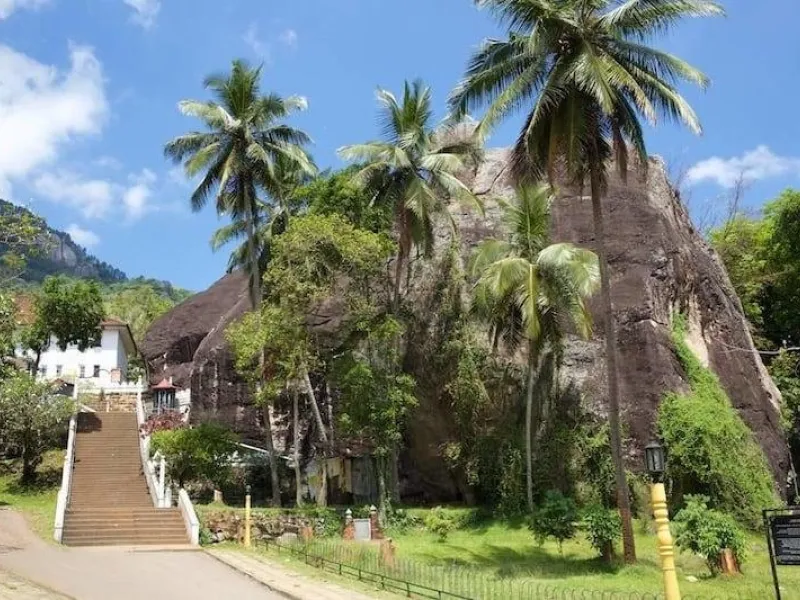
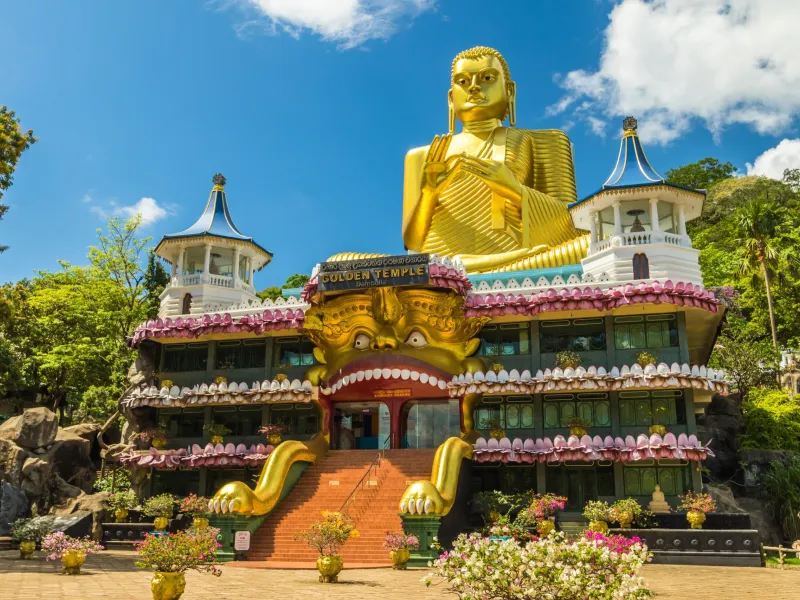
Golden Temple of Dambulla
Buddhist temples Must see

Golden Temple of Dambulla

Dambulla, Matale District

Buddhist temple complex at the base of the Dambulla cave sanctuary.

Aluvihare Rock Temple
Buddhist temples Must see

Aluvihare Rock Temple

Matale, Matale District

Cave monastery associated with the recording of the Pali Canon.

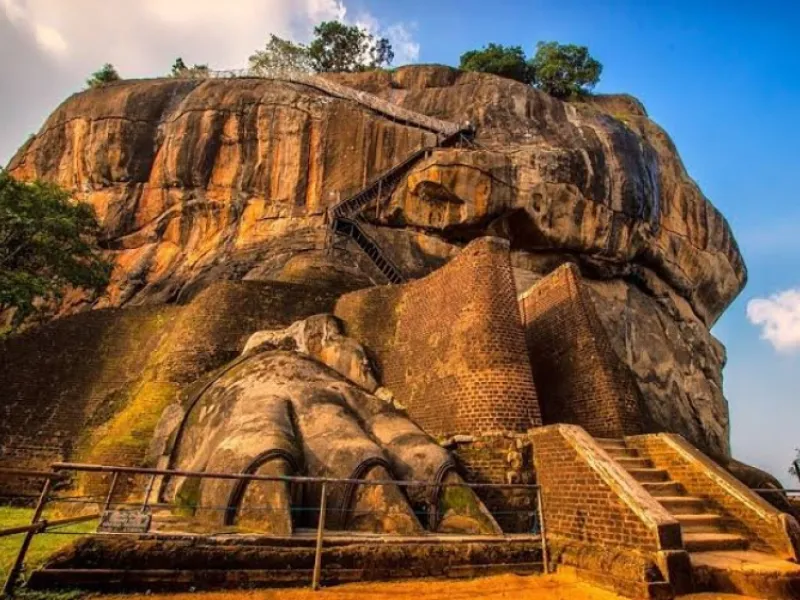
Sigiriya Rock Fortress
Historical & heritage sites Must see

Sigiriya Rock Fortress

Sigiriya, Matale District

UNESCO-listed ancient rock citadel with frescoes, landscaped gardens and summit ruins.

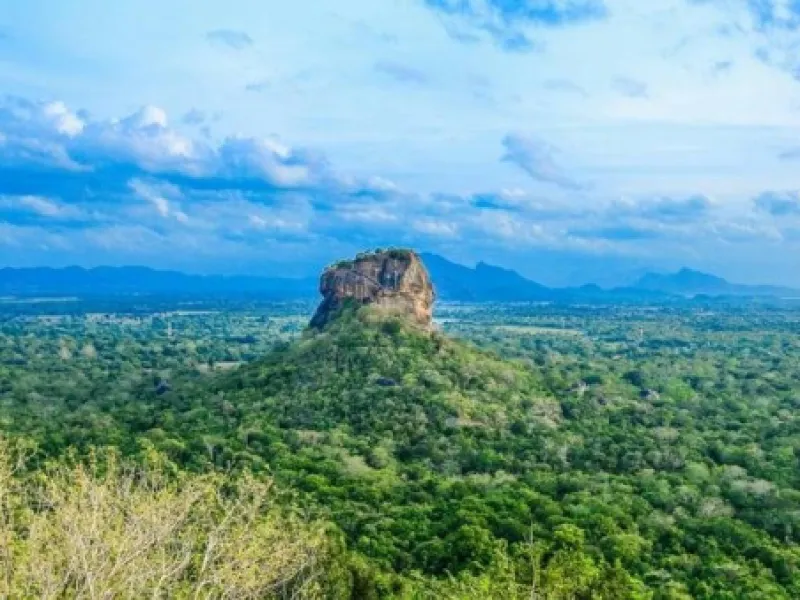
Pidurangala Rock
Mountains, hikes & viewpoints Must see

Pidurangala Rock

Sigiriya, Matale District

Rock hike renowned for open views across Sigiriya and its surrounding plains.

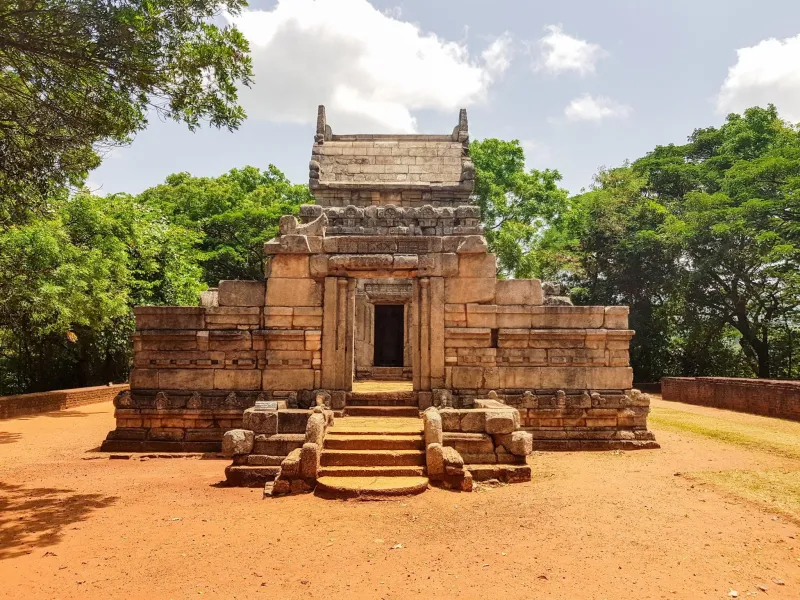
Nalanda Gedige
Historical & heritage sites Must see

Nalanda Gedige

Dambulla, Matale District

Early stone sanctuary showing a distinctive blend of South Asian architectural traditions.

Riverston Viewpoint
Mountains, hikes & viewpoints Must see

Riverston Viewpoint

Rattota, Matale District

Mountain-road viewpoint overlooking the Knuckles foothills and valleys.

Get directions Plan trip