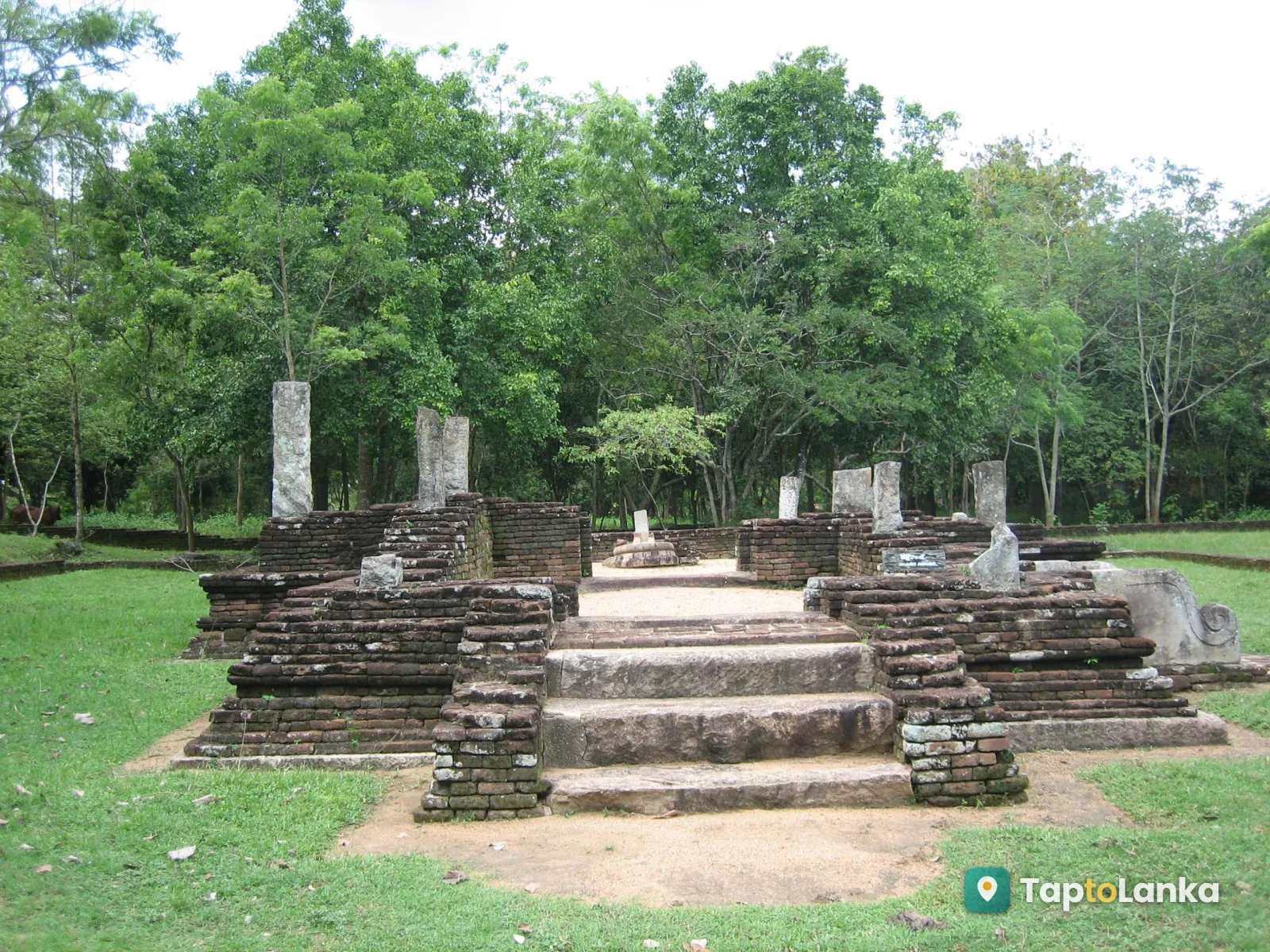
Panduwasnuwara Ancient City is one of Sri Lanka's important medieval archaeological sites, located in the Kurunegala District of the North Western Province. The ancient settlement is especially associated with the 12th-century kingdom of Dakkhinadesa, when it was known as Parakramapura. It served as an important political centre during the early career of King Parakramabahu I, before he became the ruler of a unified Sri Lanka and established his royal authority in Polonnaruwa.
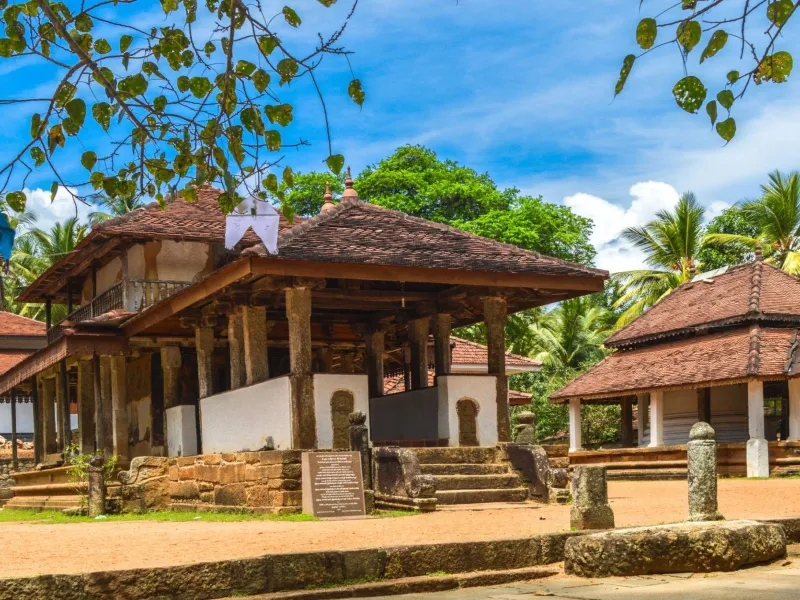
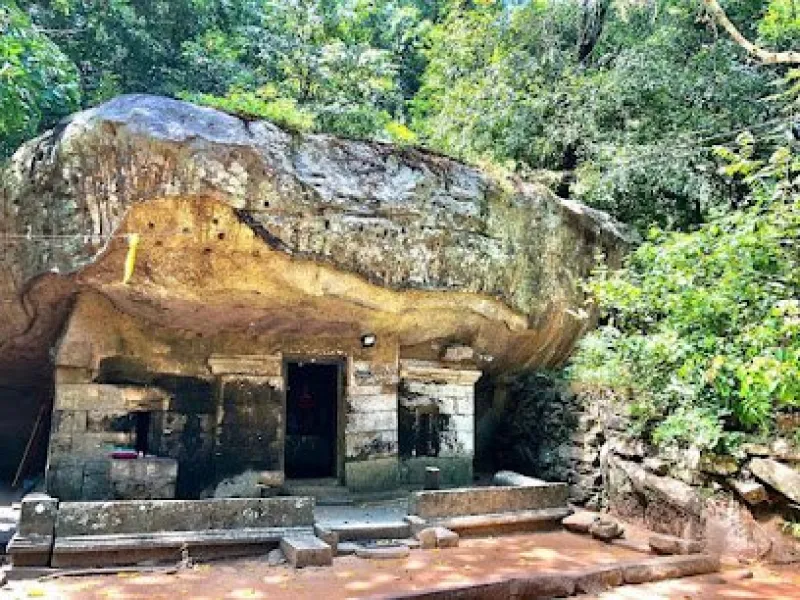
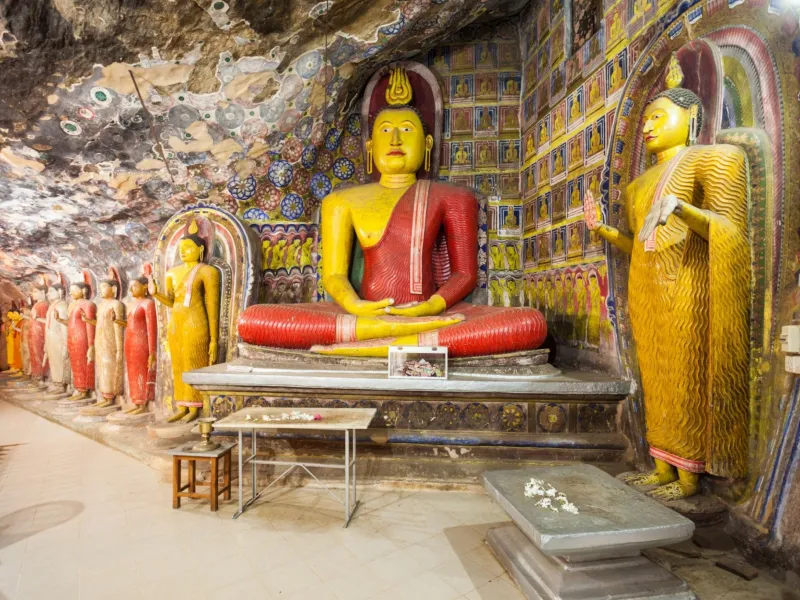
The archaeological complex contains extensive remains of an ancient royal palace, defensive walls, a moat, brick foundations, Buddhist monasteries, shrines, stupas, and historical stone structures. Visitors can explore the layout of the royal citadel and observe evidence of the advanced architecture, religious traditions, and urban planning of medieval Sri Lanka. The remains of the palace complex provide an interesting insight into the administration and daily life of the ancient kingdom.
Panduwasnuwara is also connected with the traditional story of King Panduvasdeva and Princess Unmada Chitra. However, the surviving major archaeological structures predominantly belong to the medieval period, rather than the much earlier era described in these legends. The surrounding archaeological museum preserves historical artefacts, including pottery, sculptures, coins, and other objects discovered in the region.
Today, the ancient city attracts travellers, history enthusiasts, students, photographers, and visitors interested in Sri Lanka's royal heritage. Its quiet atmosphere, open grounds, ancient brick structures, and historical significance make Panduwasnuwara an excellent destination for exploring the country's medieval past.