Skip to content
Tap to Lanka
Back to your trip

Devinuwara Upulvan Vishnu Devalaya

Matara District

Get directions

Historic shrine associated with the deity Upulvan/Vishnu. Devinuwara Sri Vishnu Maha Devalaya, Uthpalawanna Sri Vishnu Devalaya, Dondra Vishnu Shrine-Alternative Names

Best time to visit
Year-round; early morning or evening. July–August for the Esala festival.
Opening hours
Approximately 5:00 AM – 7:15 PM daily; confirm locally.
Entry fee
Generally free for local and foreign visitors; donations welcome.
Dress code
Cover shoulders and knees; remove shoes and hats in sacred areas.
Time needed
45–90 minutes.

Highlights

  • Historic Vishnu Shrine – Visit a sacred temple dedicated to Upulvan, widely associated with Lord Vishnu.
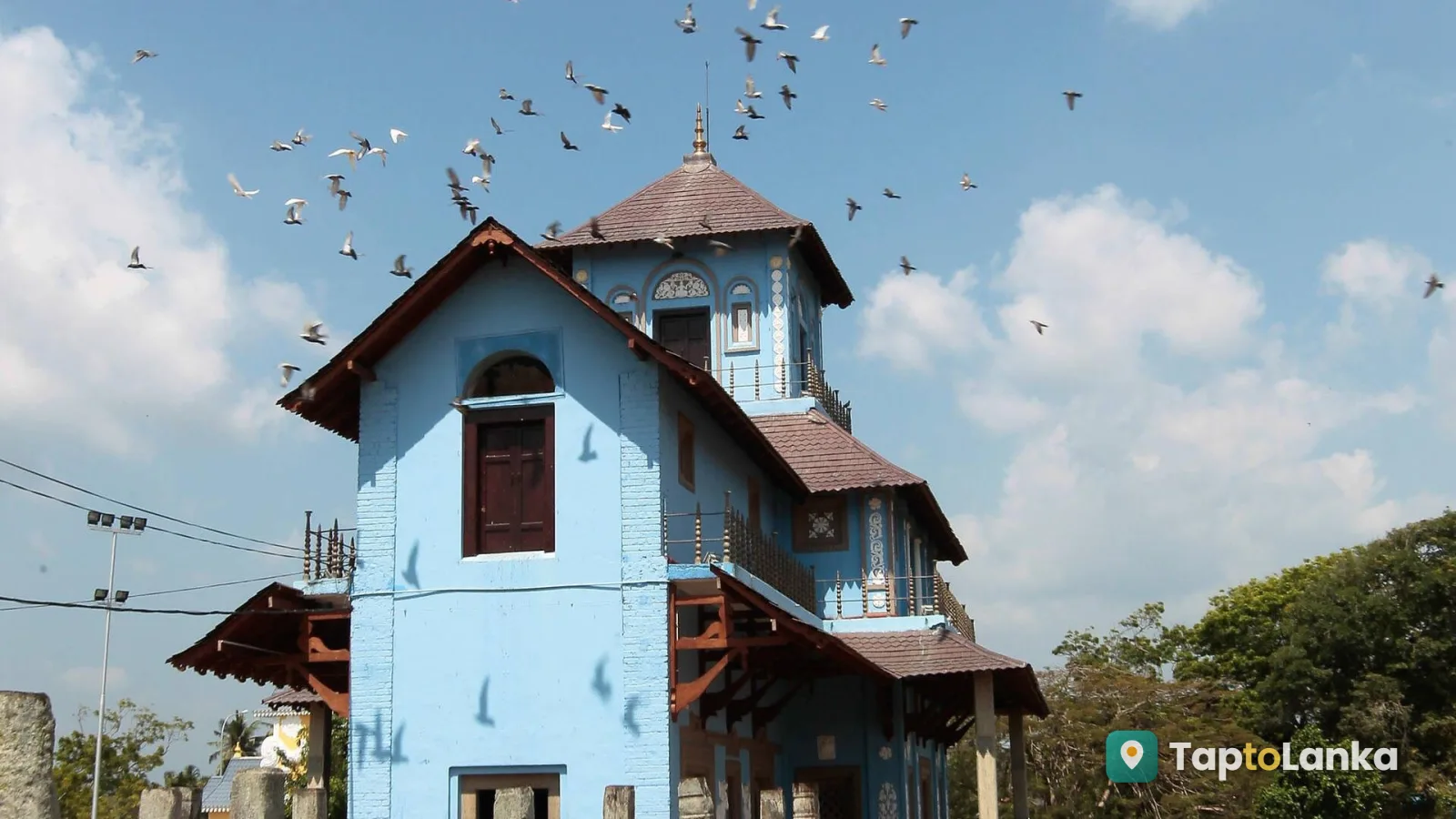
  • Colourful Temple Architecture – Admire the distinctive blue shrine, traditional roofs, ornamental decorations, and beautiful entrance structures.
  • Ancient Religious Heritage – Discover the history of Devinuwara as an important medieval pilgrimage and trading centre.
  • Devinuwara Esala Perahera – Experience traditional religious processions and cultural celebrations during the annual festival.
  • Buddhist and Hindu Traditions – Learn about the religious significance of Upulvan worship in Sri Lankan cultural history.
  • Historic Stone Pillars – Observe surviving archaeological elements associated with the ancient temple complex.
  • Religious Offerings and Worship – Experience the peaceful atmosphere of an active shrine where devotees offer prayers and flowers.
  • Traditional Cultural Photography – Photograph permitted temple architecture, decorative carvings, and sacred surroundings.
  • Nearby Dondra Attractions – Combine a temple visit with Dondra Head Lighthouse and the nearby coastline.

Devinuwara Upulvan Vishnu Devalaya, also known as Uthpalawanna Sri Vishnu Maha Devalaya, is an important historic religious shrine situated in Devinuwara, near Matara, in Sri Lanka's Southern Province. Dedicated to the deity Upulvan, widely associated with Lord Vishnu, the shrine is visited by Buddhist and Hindu devotees and forms part of one of Sri Lanka's most celebrated ancient temple towns.

The name Devinuwara means City of Gods, reflecting the area's long-standing religious significance. Located near the southern tip of Sri Lanka, Devinuwara developed into a prominent coastal settlement and pilgrimage centre with strong connections to maritime trade and traditional worship.

According to local religious traditions and historical accounts, the beginnings of the sacred complex are associated with King Dappula in the early medieval period. The shrine became particularly important between the 13th and 15th centuries, when Devinuwara was recognised as a prosperous temple port and an important centre of pilgrimage.

Historical descriptions refer to a magnificent temple complex with decorated buildings, carved stone pillars, and a roof covered with gilded copper that could be seen by sailors approaching the coast. These features reflected the wealth and influence of the ancient religious settlement. The remaining stone pillars and archaeological elements help visitors appreciate the importance of the original complex.

The old temple complex suffered extensive destruction during a Portuguese attack in 1587. Worship later continued through restored and rebuilt religious structures, with the present Devalaya retaining the spiritual importance of the historic site. The distinctive blue-painted shrine, traditional decorative details, and surrounding Buddhist religious structures make the complex an attractive destination for both pilgrims and heritage enthusiasts.

The main deity, Upulvan or Uthpalawanna, is regarded in Sri Lankan Buddhist tradition as a protector deity and is closely associated with Vishnu worship. This combination of religious traditions contributes to the site's distinctive cultural significance. Devotees visit the shrine to offer flowers, fruits, oil lamps, and prayers while seeking blessings and protection.

One of the most important annual events is the Devinuwara Esala Perahera, usually held during July or August according to the religious calendar. The festival features traditional processions, drumming, dancers, religious observances, and gatherings of devotees. It is an important cultural event that attracts pilgrims and visitors from different parts of Sri Lanka.

The temple complex also offers opportunities to appreciate traditional religious architecture, historical monuments, and the peaceful atmosphere of an active place of worship. Visitors should dress respectfully, remove footwear where required, and avoid interrupting prayers or religious ceremonies.

Devinuwara Upulvan Vishnu Devalaya is located approximately 6–7 kilometres southeast of Matara town, close to the A2 coastal road. Travellers can combine their visit with Dondra Head Lighthouse, Devinuwara Beach, and other cultural attractions in Matara District.

Today, the Devalaya remains a significant spiritual and cultural landmark, representing centuries of religious devotion, architectural heritage, and the historical importance of Devinuwara as a sacred coastal town.
Photos

How to get there

Devinuwara Upulvan Vishnu Devalaya is located approximately 6–7 km southeast of Matara town, near the A2 Matara–Tangalle coastal road. From Matara, travel towards Devinuwara (Dondra) by public bus, tuk-tuk, taxi, or private vehicle. The shrine is located in the Devinuwara temple complex close to the main road. Visitors travelling from Colombo, Galle, or Weligama can reach Matara by train or bus before continuing by local transport. Follow directions to Devinuwara Uthpalawanna Sri Vishnu Maha Dewalaya rather than Dondra Head Lighthouse, which is a separate attraction.

Tips for visitors

Wear modest clothing covering shoulders and knees, and remove footwear and hats wherever required. Maintain silence during prayers and religious ceremonies. Do not touch religious statues, offerings, or historic stone carvings without permission. Ask before photographing devotees, priests, rituals, and shrine interiors. Carry socks if the courtyard is hot, and bring drinking water and sun protection. During the Esala Perahera, expect large crowds, traffic restrictions, and changes to normal access arrangements. Follow instructions from temple staff and respect devotees of all religious traditions. Avoid littering and consider making a voluntary donation towards temple maintenance.

Frequently asked questions

Where is Devinuwara Upulvan Vishnu Devalaya located?

Devinuwara Upulvan Vishnu Devalaya is in Devinuwara, Sri Lanka. Use the Google Maps link to check the exact approach and current directions.

What can visitors do at Devinuwara Upulvan Vishnu Devalaya?

Discover local history and examine features accessible to visitors without damaging them.

When is the best time to visit Devinuwara Upulvan Vishnu Devalaya?

Daylight usually provides the best sightseeing conditions; check site schedules.

What are the opening hours and entry fees for Devinuwara Upulvan Vishnu Devalaya?

Hours: To confirm with venue / local authority. Entry fees: To confirm with venue / local authority. Confirm current prices and access rules with the managing authority before visiting.

How do I get to Devinuwara Upulvan Vishnu Devalaya, and what should I know before visiting?

Travel to Devinuwara using local roads or public transport; confirm the final approach and access point on the map before departure. Respect fragile structures and any photography or conservation rules.

Visitor reviews

No reviews yet. Been here? Share your tips for other visitors.

Sign in to write a review
Suggest an edit or report wrong info

More places nearby

See all →
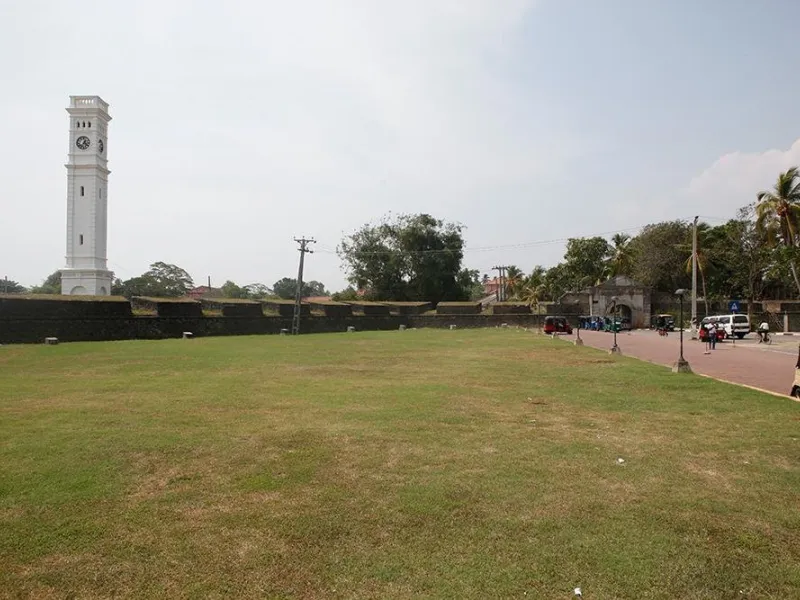
Matara Clock Tower
Historical & heritage sites

Matara Clock Tower

Matara, Matara District

Matara Clock Tower is a historic colonial-era landmark located on the ramparts of Matara Fort in southern Sri Lanka. Completed in May 1883 during British rule, this elegant white clock tower is an important symbol of Matara's architectural and cultural heritage. Surrounded by old fort walls and the

Matara Fort
Historical & heritage sites

Matara Fort

Matara, Matara District

Situated near the mouth of the Nilwala River and the Indian Ocean, it offers visitors an opportunity to explore Sri Lanka's colonial architecture, military history, and cultural heritage.

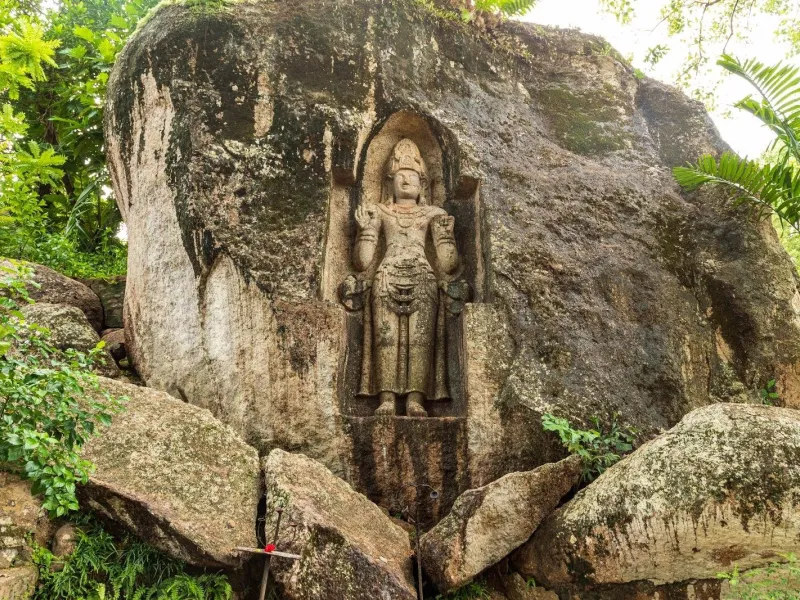
Weligama Kushtarajagala Statue
Historical & heritage sites

Weligama Kushtarajagala Statue

Weligama, Matara District

Historic rock-carved figure beside the coastal road. 3.83 metres high, the sculpture is widely identified as the Bodhisattva Avalokiteshvara and is admired for its elaborate crown, jewellery, and traditional stone craftsmanship.

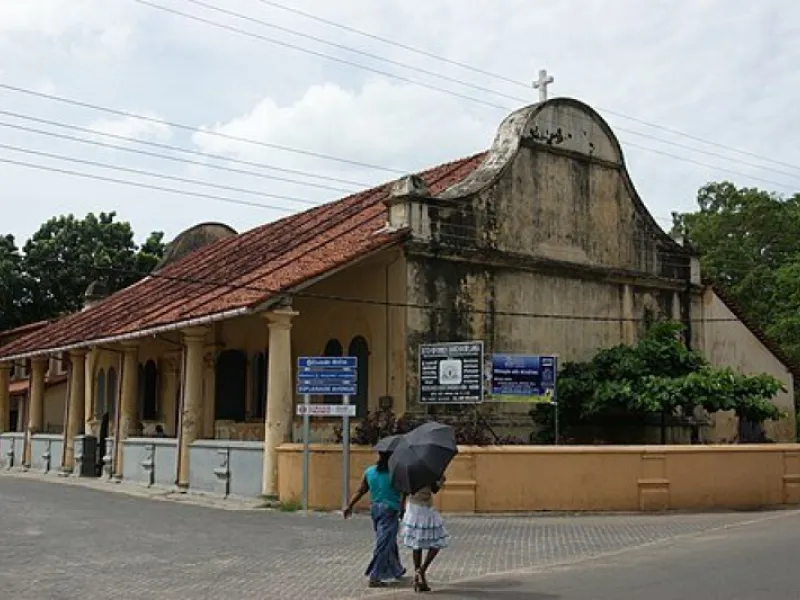
Matara Old Dutch Church
Historical & heritage sites

Matara Old Dutch Church

Matara, Matara District

Historic church located within the fort precinct.

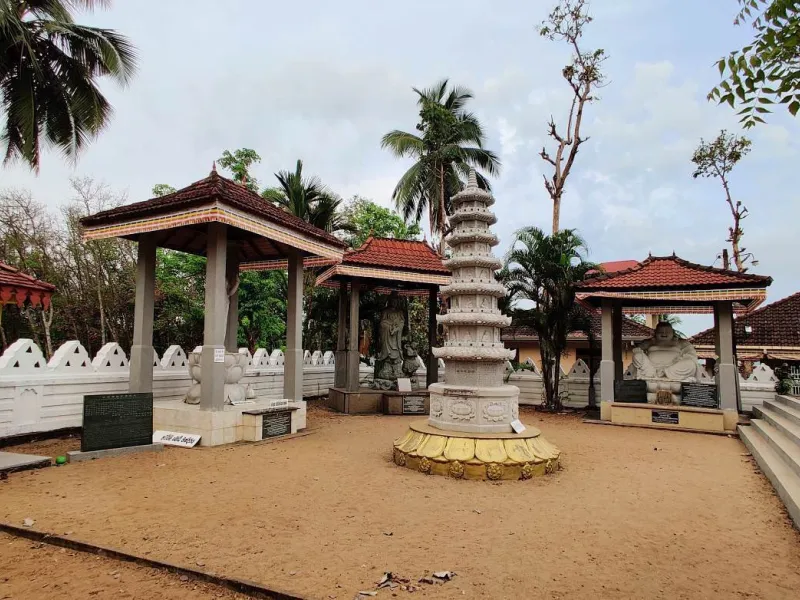
Devinuwara Gal Ge
Historical & heritage sites

Devinuwara Gal Ge

Matara District

Stone structure associated with the area's archaeological past.

Matara Star Fort
Historical & heritage sites

Matara Star Fort

Matara, Matara District

Eighteenth-century Dutch star-shaped fortification. Alternative Names Star Fort Matara, Dutch Star Fort, Redoute Van Eck, Matara Tharaka Kotuwa.

Get directions Plan trip