Historical & heritage sites
Jaffna Fort
Jaffna, Jaffna District
A star-shaped fort first built by the Portuguese and rebuilt by the Dutch, beside the Jaffna lagoon.
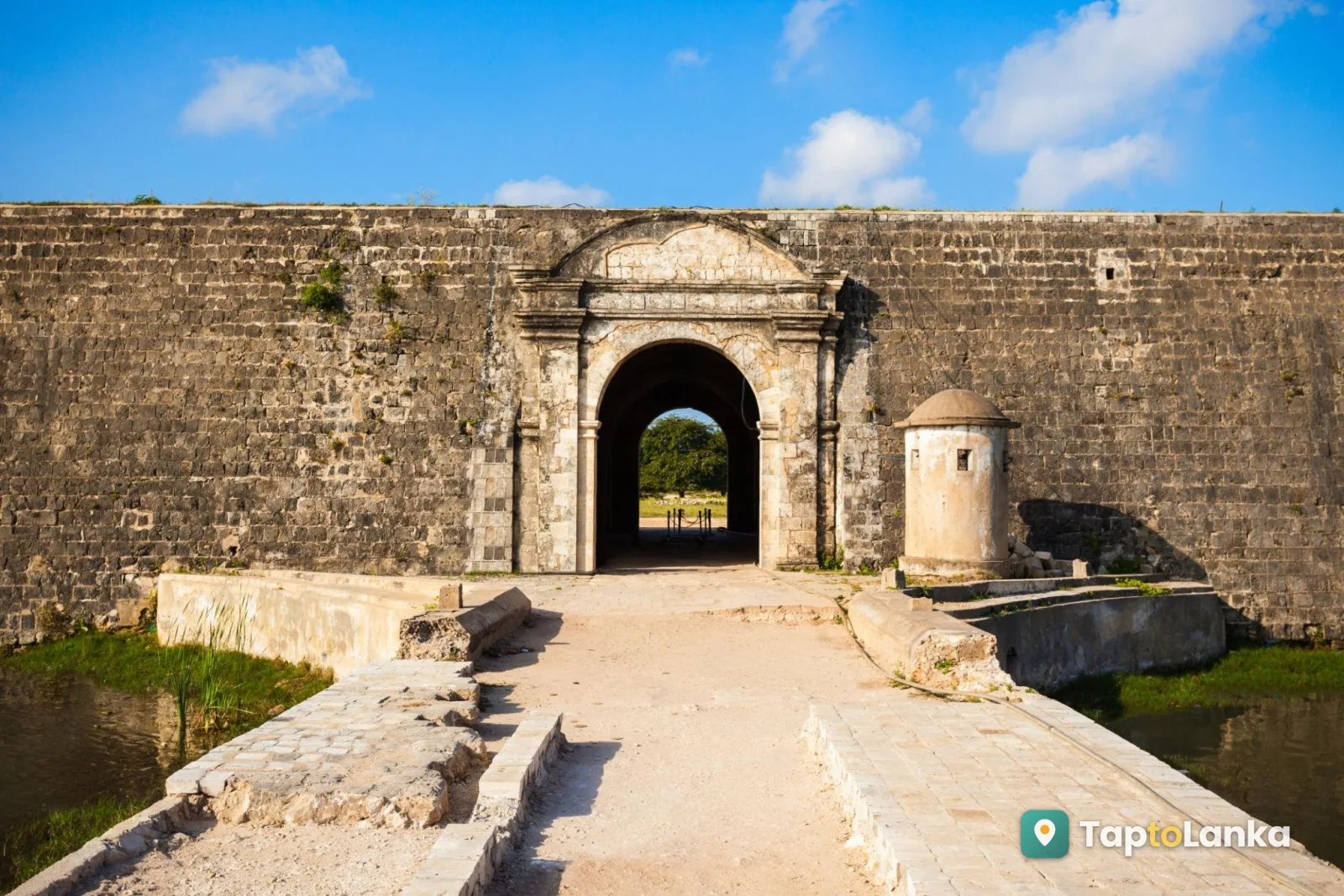
Jaffna, Jaffna District
A coastal star-shaped fort reflecting Portuguese, Dutch and British colonial history in Jaffna.
Jaffna Fort, also known as the Dutch Fort of Jaffna, is one of the most important historical landmarks in Northern Sri Lanka. It is located beside the Jaffna Lagoon, close to the city centre. The fort is famous for its large five-sided defensive structure, thick stone walls, massive ramparts, bastions and surrounding moat. It is considered one of the largest surviving colonial forts in Sri Lanka.
The fort was originally built by the Portuguese in 1618. In 1658, the Dutch captured it and expanded the structure into the impressive pentagonal fortress seen today. Later, the British took control of the fort in 1795. It served as an important military and administrative centre during the colonial period.
Jaffna Fort also witnessed significant battles and destruction during the Sri Lankan Civil War. Many buildings inside the fort were damaged, including the historic Dutch church and colonial-era residences. Restoration and conservation work has helped preserve parts of the fort for future generations. Today, visitors can explore the historic ramparts, see the remains of old buildings and enjoy beautiful views of Jaffna Lagoon. It is a popular destination for history lovers, photographers and travellers interested in the heritage of Jaffna.
Located near Jaffna town; reach by local bus, tuk-tuk, bicycle or on foot from central Jaffna.
Carry water and sun protection. Keep away from restricted or unstable restoration areas.
Jaffna Fort is famous for its five-sided colonial architecture, historic stone ramparts, defensive moat and beautiful views of Jaffna Lagoon.
The Portuguese originally built Jaffna Fort in 1618. The Dutch captured it in 1658 and expanded it into a large pentagonal fortress.
An entrance fee may apply. The amount can vary depending on visitor category, so check the ticket counter for the latest prices.
Early morning and late afternoon are the best times to visit. Late afternoon is especially popular for enjoying the lagoon views and taking photographs.
Yes. Families can explore the historic fort and enjoy its open spaces and scenic views. Children should be supervised around ramparts, uneven paths and restricted areas.
Jaffna, Jaffna District
A star-shaped fort first built by the Portuguese and rebuilt by the Dutch, beside the Jaffna lagoon.
Jaffna District
A long, shallow beach on Karainagar island, lined with casuarina trees and popular with families.
Nallur, Jaffna District
The best-known Hindu temple in Jaffna, dedicated to Lord Murugan, with a golden gopuram and a famous festival every year.
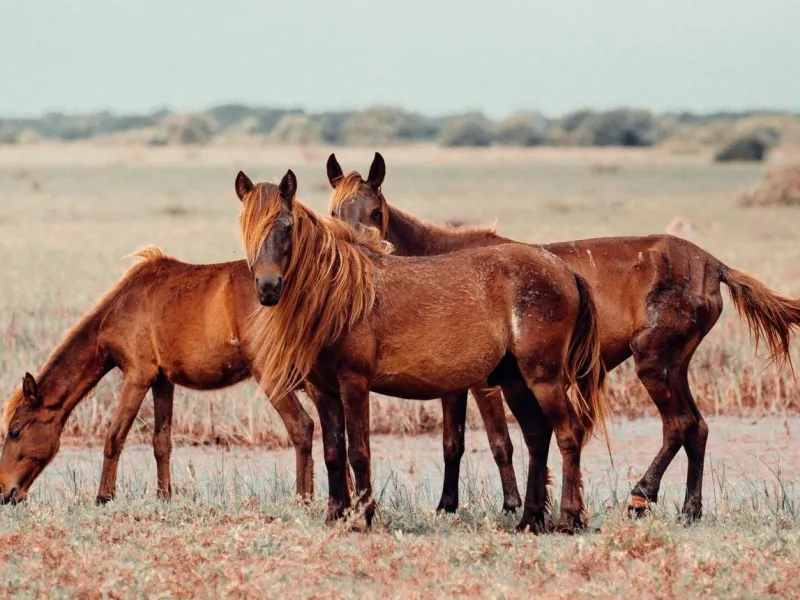
Jaffna, Jaffna District
A distinctive island in the Palk Strait known for coral-stone structures, wild ponies and quiet coastal landscapes.
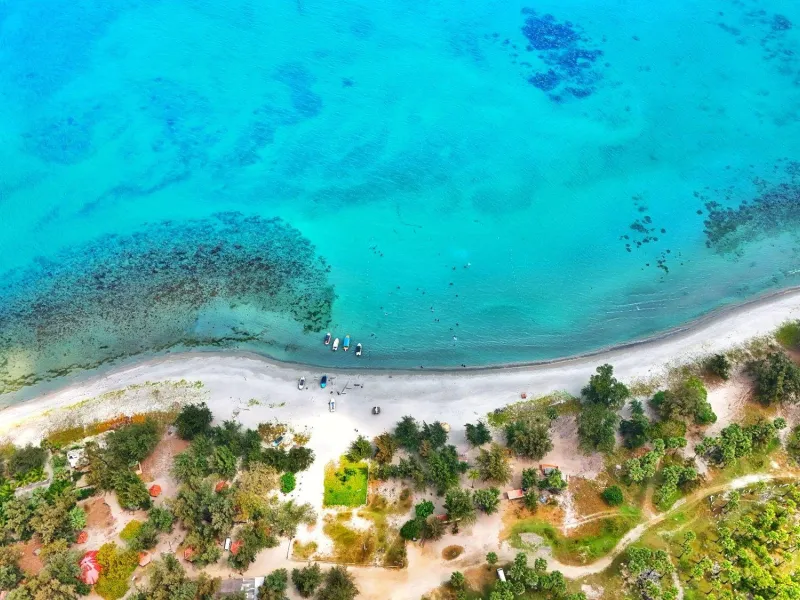
Karainagar, Jaffna District
A well-known sandy beach on Karainagar Island with shallow water in suitable conditions.
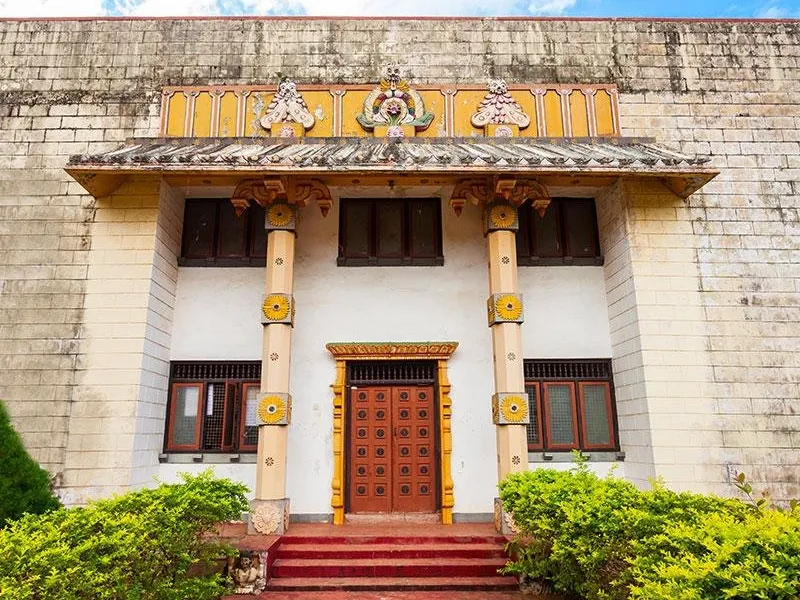
Jaffna, Jaffna District
A small museum displaying archaeological objects and material related to the history of the Jaffna region.
Get the Tap to Lanka app
Tap Share, then “Add to Home Screen”.
Cookies
We use cookies to keep you signed in. With your OK we also count visits to improve the site. Privacy policy