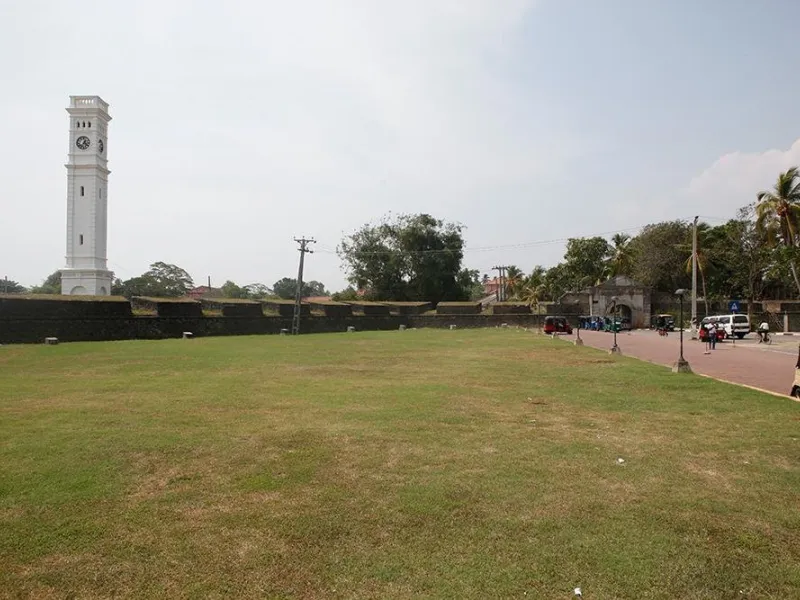
Matara Clock Tower is one of the most recognisable historic landmarks in Matara, a coastal city in Sri Lanka's Southern Province. Situated on the old ramparts of Matara Fort, the tower represents the architectural heritage of the British colonial period and the historical development of Matara town.
The clock tower was completed in May 1883 during British rule in Ceylon. According to an inscription on the monument, the clock was purchased using contributions collected from local residents and headmen of Matara District, while construction of the tower was carried out by the Local Board of Matara.
The monument stands approximately 12 metres high on the remaining fort rampart, around 100 metres from the sea. Its tall white structure, traditional clock faces, decorative architectural features, and prominent position make it an important landmark in the town centre.
Although the clock tower stands within the historic Dutch Fort, it was not built by the Dutch. Matara Fort was originally established during the Portuguese period and substantially developed under Dutch rule during the 17th century. The clock tower was added much later, following the British takeover of the fort in 1796.
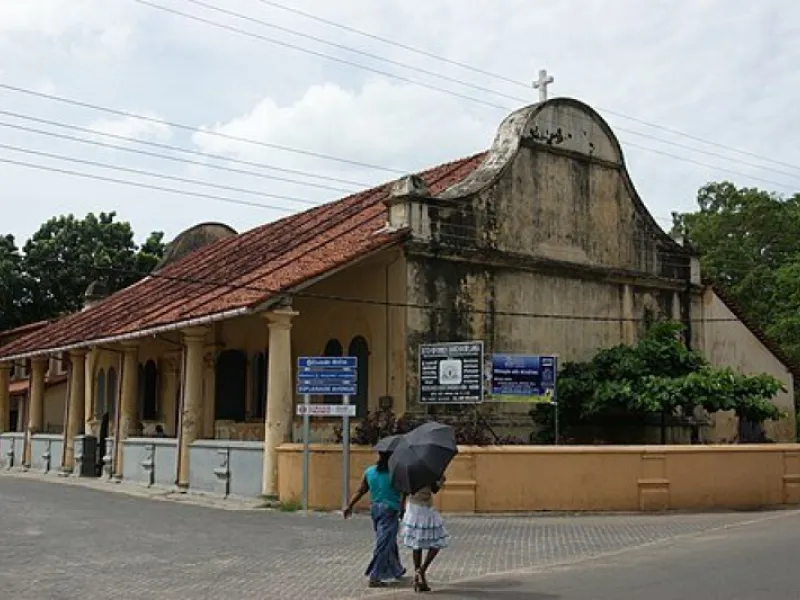
The surrounding fort area contains old stone ramparts, colonial-era buildings, streets, and historic structures that reflect Matara's Portuguese, Dutch, and British heritage. Visitors can enjoy views of the monument, photograph its distinctive architecture, and explore the surrounding historic town.
Matara Clock Tower is especially attractive to travellers interested in colonial architecture, urban heritage, and photography. Its central location also makes it a convenient sightseeing stop while exploring Matara Fort and nearby coastal attractions.
Today, the clock tower remains an important historical symbol of Matara, representing the city's colonial past and its architectural identity.