Skip to content
Tap to Lanka

Wasgamuwa National Park

Matale, Matale District

Get directions

Wasgamuwa National Park is a protected wildlife area in Sri Lanka, famous for its wild elephant herds, diverse birdlife, dry-zone forests, rivers and grasslands. Visitors can explore the park through guided jeep safaris.

Best time to visit
November to May for elephant herds; morning or afternoon safaris.
Opening hours
Generally 6:00 AM to 6:00 PM.
Entry fee
Local: current rate to confirm. Foreign adult: USD 12 before tax and shared vehicle fees; jeep extra.
Dress code
Lightweight neutral-coloured clothing, closed shoes, and a hat.
Time needed
3–4 hours for a half-day safari.

Highlights

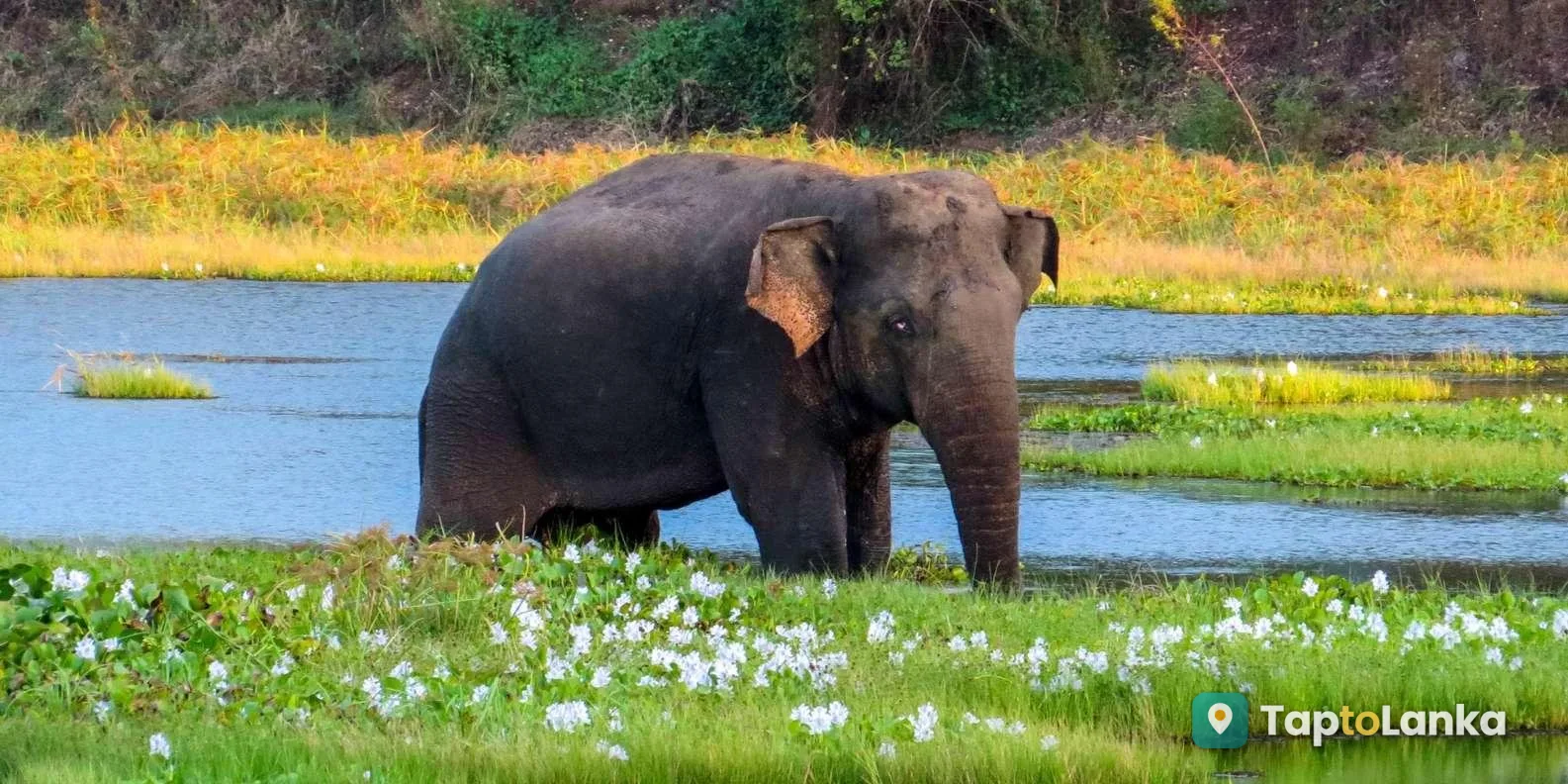
  • Wild Asian Elephants – Observe Sri Lankan elephants feeding, walking, and gathering near water sources.
  • Exciting Jeep Safaris – Explore designated wildlife tracks with experienced safari drivers.
  • Sloth Bear Habitat – Discover one of Sri Lanka's important protected habitats for the elusive sloth bear.
  • Diverse Birdlife – Watch forest birds, waterbirds, raptors, and endemic species.
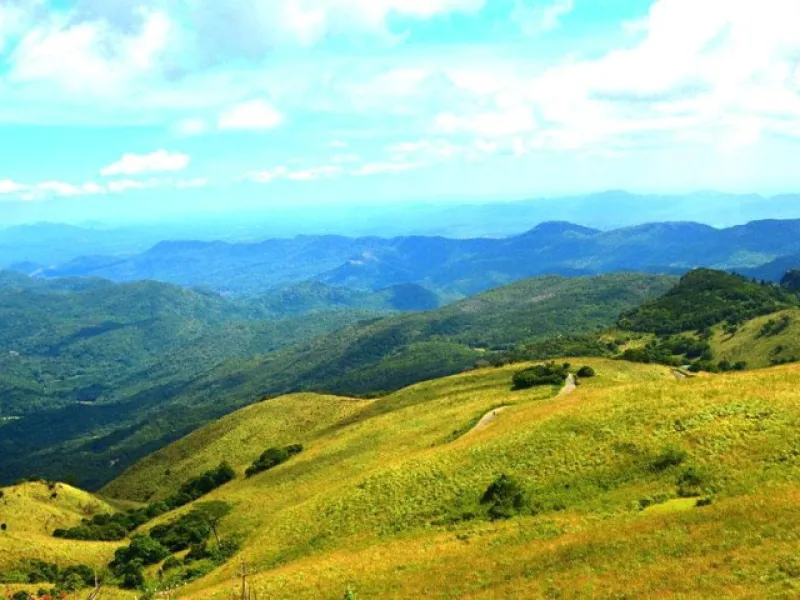
  • Beautiful Forest Landscapes – Experience tropical dry mixed evergreen forests and wooded hills.
  • Open Grasslands – Enjoy panoramic scenery where elephants and other grazing animals may be seen.
  • Riverine Wildlife Habitats – Explore the ecological landscapes associated with the Mahaweli and Amban Ganga rivers.
  • Nature Photography – Capture elephants, birds, natural vegetation, and scenic wilderness landscapes.
  • Rich Biodiversity – Learn about Sri Lanka's native mammals, reptiles, butterflies, and forest ecosystems.
  • Historical and Archaeological Interest – Discover the park's connection with ancient settlements and archaeological remains.

Wasgamuwa National Park is one of Sri Lanka's important wildlife conservation areas, extending across the Matale and Polonnaruwa districts in the Central and North Central Provinces. The park is particularly well known for its wild Asian elephants, rich biodiversity, tropical dry-zone forests, open grasslands, and scenic rivers.

The area has a long history of wildlife protection. Portions were protected as a game sanctuary during the early twentieth century and later designated as a strict nature reserve. On 7 August 1984, Wasgamuwa was declared a national park to protect natural habitats and provide refuge for wildlife affected by the Mahaweli Development Programme. Today, it remains an important conservation landscape managed by Sri Lanka's Department of Wildlife Conservation.

The park covers approximately 37,000 hectares of natural habitat. Its vegetation includes tropical dry mixed evergreen forest, riverine forests, scrubland, and open grasslands. This variety of environments supports large numbers of mammals, birds, reptiles, amphibians, fish, and butterflies. The changing scenery makes the park attractive for both wildlife observation and nature photography.

One of the greatest attractions of Wasgamuwa National Park is its population of Sri Lankan elephants. Visitors may observe individual elephants or family herds feeding in grassy clearings, travelling along forest tracks, or gathering near water sources. The park is particularly valued by travellers who want to observe elephants in their natural environment.

Wasgamuwa is also recognised as a habitat for the elusive sloth bear. Other mammals found in the park include leopards, spotted deer, sambar deer, wild boar, water buffalo, and golden jackals. However, some species are extremely difficult to see, and wildlife sightings are never guaranteed.

Birdwatching is another major attraction. More than 140 bird species have been recorded within the park, including endemic and migratory birds. Kingfishers, eagles, hornbills, waterbirds, and forest birds can be observed in suitable habitats. The rivers and wetlands provide important feeding and resting areas for wildlife throughout the year.

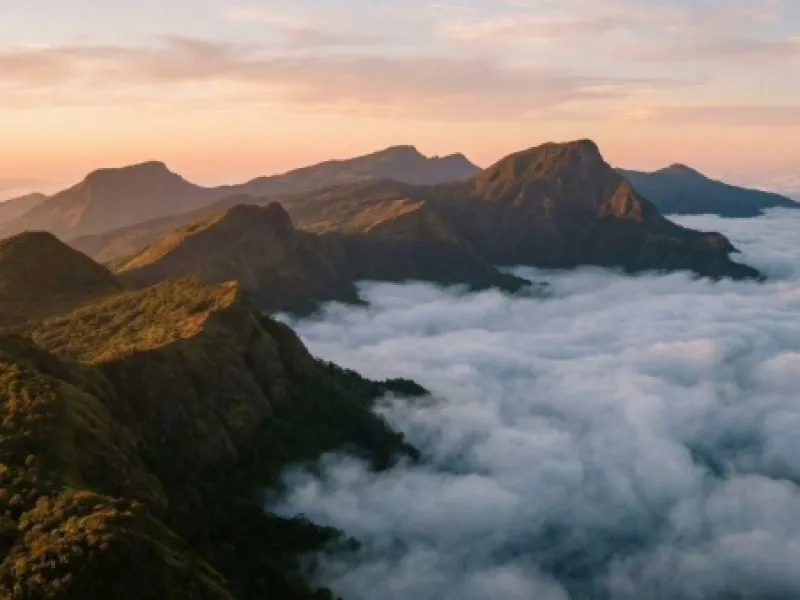
The landscape is influenced by the Mahaweli River and Amban Ganga river system. Forested hills, seasonal water sources, riverbanks, and open grasslands create a visually varied safari experience. Some parts of the park also contain archaeological remains associated with Sri Lanka's ancient civilisation, adding historical interest to the protected landscape.

The most popular way to explore Wasgamuwa is through a guided jeep safari. Visitors can choose morning or afternoon excursions with experienced local drivers. Safari routes follow designated tracks, allowing observation of wildlife without disturbing the animals or damaging their habitats.

The park is open to visitors throughout the year, although weather and animal movements vary seasonally. Sri Lanka Tourism identifies November to May as a favourable period for seeing larger elephant herds, while the drier months can also provide good access and wildlife observation opportunities. Early morning and late afternoon are generally recommended for photography and animal activity.

Today, Wasgamuwa National Park is an important destination for wildlife enthusiasts, photographers, conservationists, and nature-loving travellers. Its relatively peaceful safari atmosphere, biodiversity, spectacular elephant encounters, and scenic wilderness make it one of Sri Lanka's memorable national parks.
Photos

How to get there

From Matale, travel via Laggala and Wilgamuwa. From Kandy, travel along the Kandy–Mahiyangana Road via Hasalaka and Wilgamuwa. From Dambulla or Polonnaruwa, travel via Bakamuna and Elahera towards Kiri Oya. Confirm the correct entrance before departure.

Tips for visitors

Arrange a safari jeep and experienced driver; choose an early morning or late afternoon safari; carry drinking water, sunscreen and a hat; wear neutral-coloured clothing; bring binoculars and a camera; carry cash; check whether entrance fees are included; follow park officers' instructions; do not feed or approach animals; avoid littering.

Frequently asked questions

Where is Wasgamuwa National Park located?

Wasgamuwa National Park extends across the Matale and Polonnaruwa districts in Sri Lanka's Central and North Central Provinces. One of the main visitor entrances is located near Handungamuwa in Matale District.

What animals can visitors see at Wasgamuwa National Park?

Visitors may see wild Asian elephants, spotted deer, sambar deer, water buffalo, wild boar, monkeys, crocodiles, and many bird species. Sloth bears and leopards inhabit the park but are rarely seen.

What is the best time to visit Wasgamuwa National Park?

Sri Lanka Tourism recommends November to May for viewing larger elephant herds. The drier months can also be useful for safaris. Early morning and late afternoon are recommended for wildlife observation.

What are the opening hours and entrance fees for Wasgamuwa National Park?

The park generally operates during daylight, with visitor guidance suggesting approximately 6:00 AM to 6:00 PM. The foreign adult base entry fee is listed as USD 12 before tax and additional charges. Jeep hire is separate, and all fees should be confirmed before visiting.

How can visitors reach Wasgamuwa National Park and arrange a safari?

Visitors can travel through Matale, Hettipola, Laggala, and Handungamuwa to reach a commonly used park entrance. A registered safari jeep with an experienced driver is recommended. Tickets may be reserved through the Department of Wildlife Conservation's online services.

Visitor reviews

No reviews yet. Been here? Share your tips for other visitors.

Sign in to write a review
Suggest an edit or report wrong info

More places nearby

See all →
Knuckles Conservation Forest
National parks & wildlife

Knuckles Conservation Forest

Rattota, Matale District

Knuckles Conservation Forest is a beautiful protected mountain forest in Sri Lanka's Central Province. It is famous for its mist-covered mountains, cloud forests, waterfalls, rich biodiversity, scenic viewpoints and hiking trails. It is an ideal destination for nature lovers, hikers, photographers a

Jathika Namal Uyana (Pink Quartz Mountain)
National parks & wildlife Must see

Jathika Namal Uyana (Pink Quartz Mountain)

Dambulla, Matale District

Jathika Namal Uyana is a remarkable natural and cultural heritage destination featuring a large Na ironwood forest, an ancient pink rose quartz mountain range and Buddhist archaeological remains. Visitors can enjoy forest walks, mountain hiking, photography and views of the surrounding dry-zone land

Sigiriya Rock Fortress
Historical & heritage sites Must see

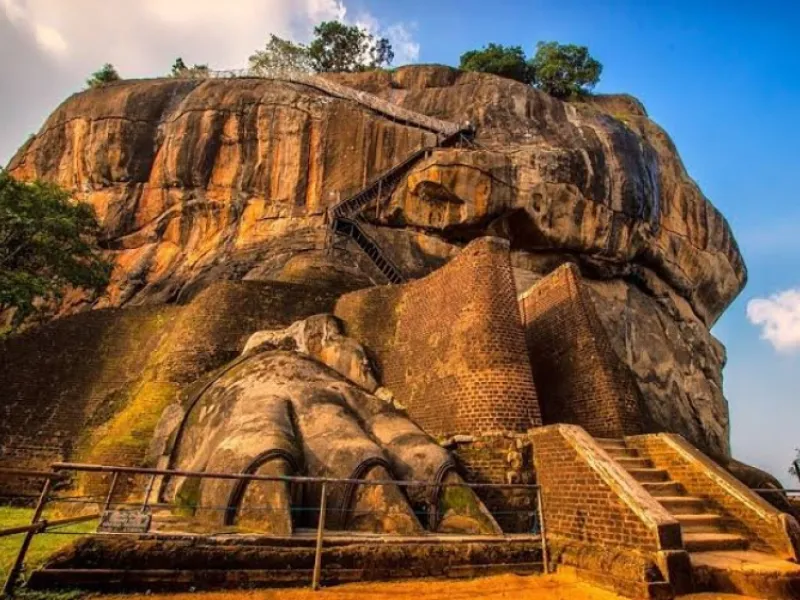
Sigiriya Rock Fortress

Sigiriya, Matale District

UNESCO-listed ancient rock citadel with frescoes, landscaped gardens and summit ruins.

Pidurangala Rock
Mountains, hikes & viewpoints Must see

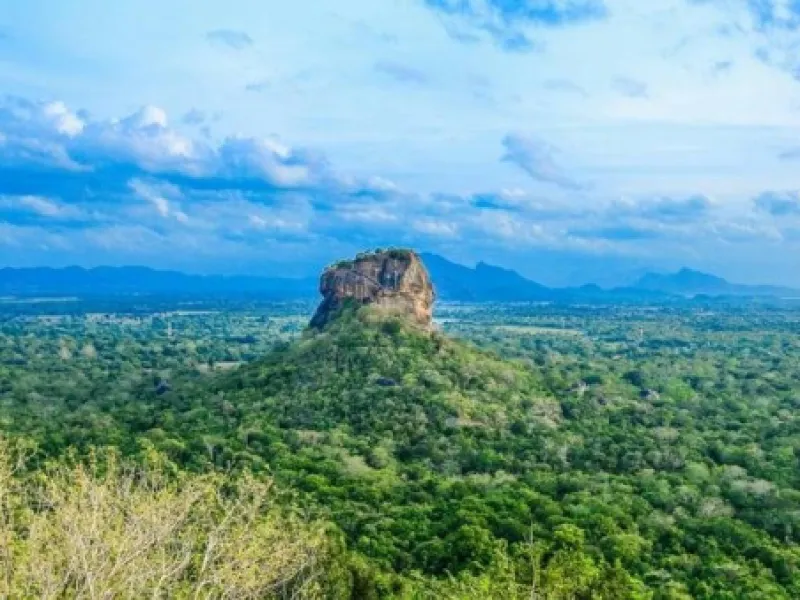
Pidurangala Rock

Sigiriya, Matale District

Rock hike renowned for open views across Sigiriya and its surrounding plains.

Golden Temple of Dambulla
Buddhist temples Must see

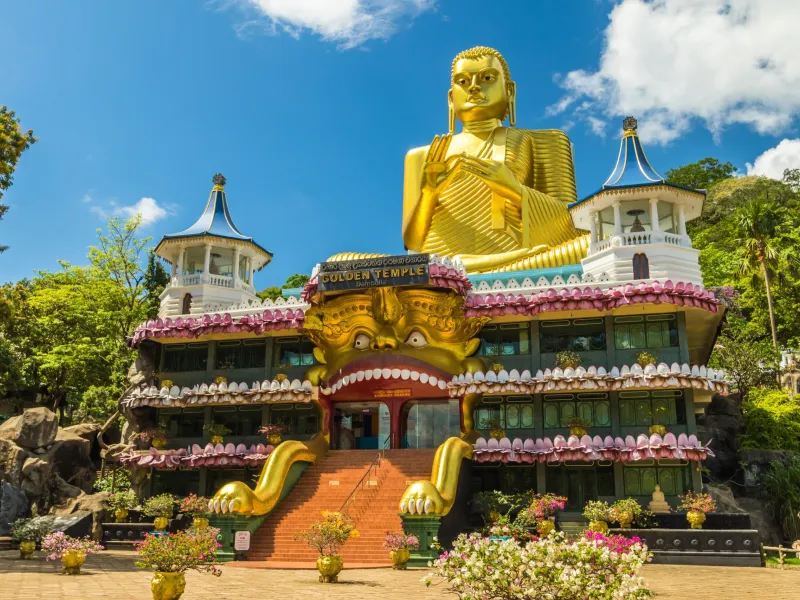
Golden Temple of Dambulla

Dambulla, Matale District

Buddhist temple complex at the base of the Dambulla cave sanctuary.

Pitawala Pathana
Mountains, hikes & viewpoints Must see

Pitawala Pathana

Matale, Matale District

High-elevation grassland walk with striking escarpment views.

Get directions Plan trip