Wasgamuwa National Park is one of Sri Lanka's important wildlife conservation areas, extending across the Matale and Polonnaruwa districts in the Central and North Central Provinces. The park is particularly well known for its wild Asian elephants, rich biodiversity, tropical dry-zone forests, open grasslands, and scenic rivers.
The area has a long history of wildlife protection. Portions were protected as a game sanctuary during the early twentieth century and later designated as a strict nature reserve. On 7 August 1984, Wasgamuwa was declared a national park to protect natural habitats and provide refuge for wildlife affected by the Mahaweli Development Programme. Today, it remains an important conservation landscape managed by Sri Lanka's Department of Wildlife Conservation.
The park covers approximately 37,000 hectares of natural habitat. Its vegetation includes tropical dry mixed evergreen forest, riverine forests, scrubland, and open grasslands. This variety of environments supports large numbers of mammals, birds, reptiles, amphibians, fish, and butterflies. The changing scenery makes the park attractive for both wildlife observation and nature photography.
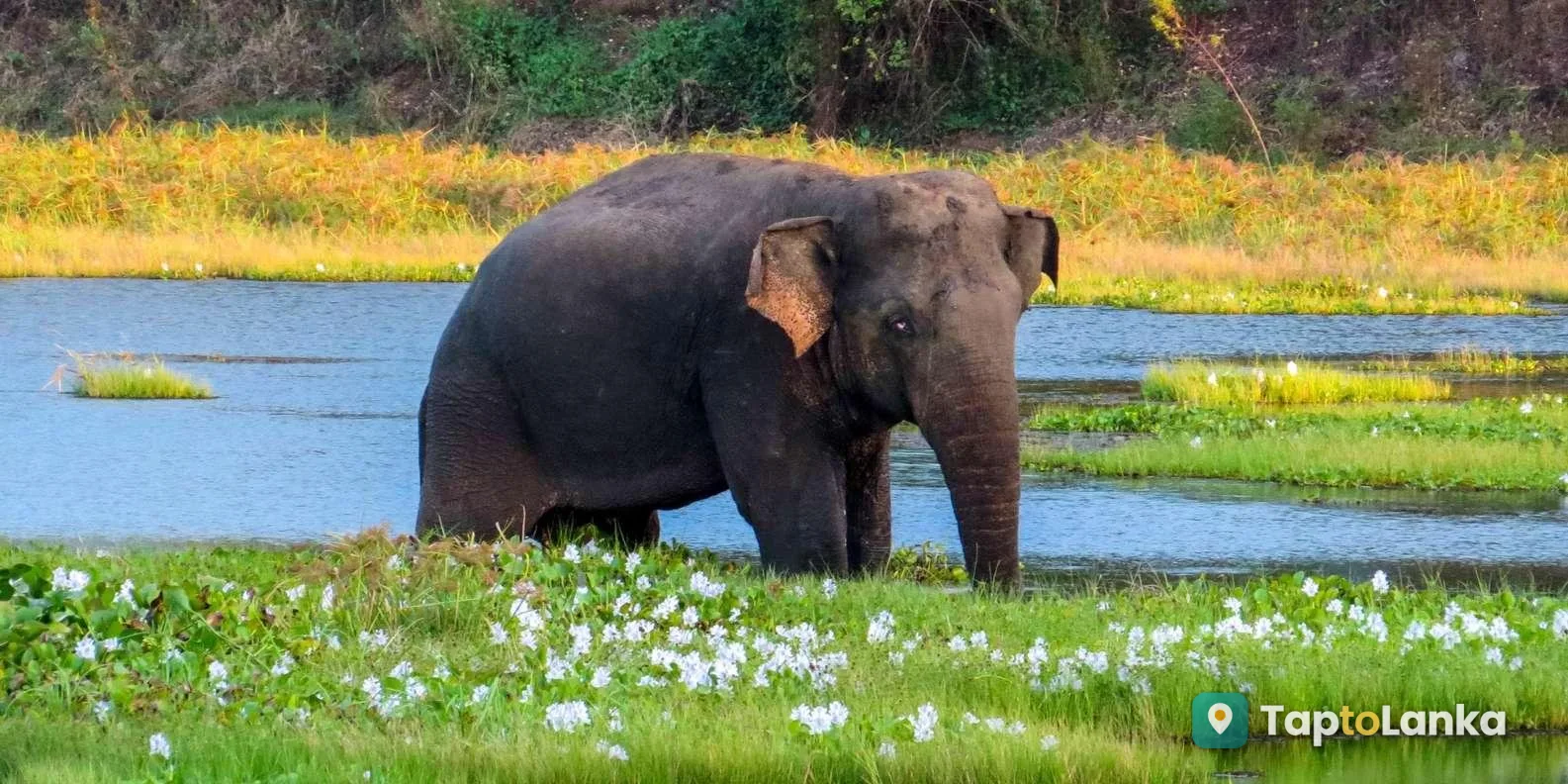
One of the greatest attractions of Wasgamuwa National Park is its population of Sri Lankan elephants. Visitors may observe individual elephants or family herds feeding in grassy clearings, travelling along forest tracks, or gathering near water sources. The park is particularly valued by travellers who want to observe elephants in their natural environment.
Wasgamuwa is also recognised as a habitat for the elusive sloth bear. Other mammals found in the park include leopards, spotted deer, sambar deer, wild boar, water buffalo, and golden jackals. However, some species are extremely difficult to see, and wildlife sightings are never guaranteed.
Birdwatching is another major attraction. More than 140 bird species have been recorded within the park, including endemic and migratory birds. Kingfishers, eagles, hornbills, waterbirds, and forest birds can be observed in suitable habitats. The rivers and wetlands provide important feeding and resting areas for wildlife throughout the year.
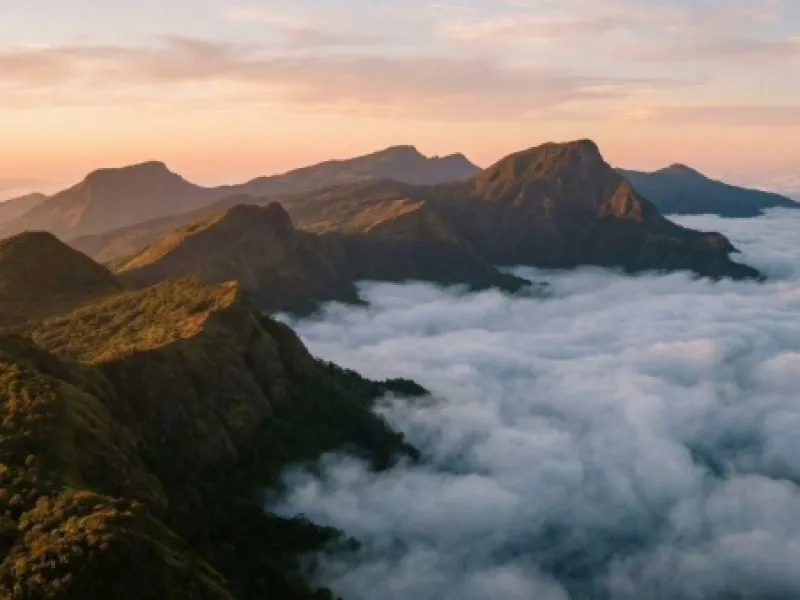
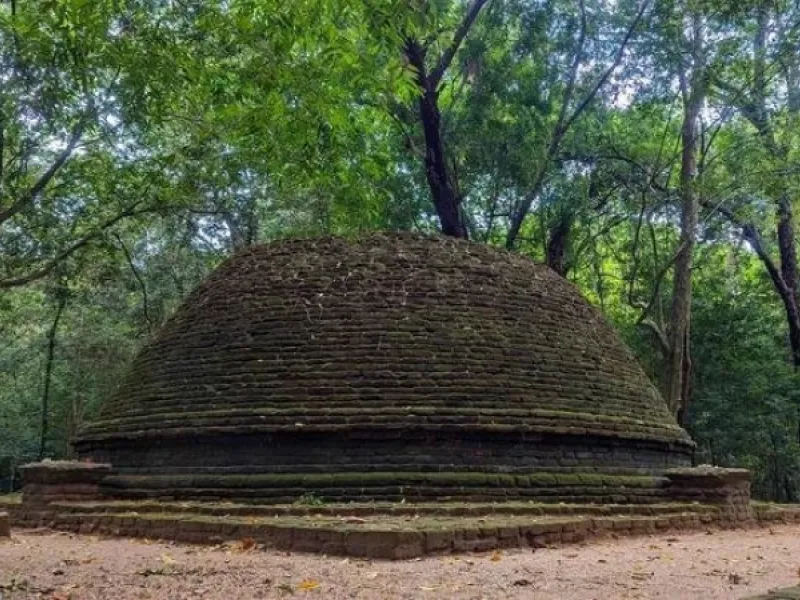
The landscape is influenced by the Mahaweli River and Amban Ganga river system. Forested hills, seasonal water sources, riverbanks, and open grasslands create a visually varied safari experience. Some parts of the park also contain archaeological remains associated with Sri Lanka's ancient civilisation, adding historical interest to the protected landscape.
The most popular way to explore Wasgamuwa is through a guided jeep safari. Visitors can choose morning or afternoon excursions with experienced local drivers. Safari routes follow designated tracks, allowing observation of wildlife without disturbing the animals or damaging their habitats.
The park is open to visitors throughout the year, although weather and animal movements vary seasonally. Sri Lanka Tourism identifies November to May as a favourable period for seeing larger elephant herds, while the drier months can also provide good access and wildlife observation opportunities. Early morning and late afternoon are generally recommended for photography and animal activity.
Today, Wasgamuwa National Park is an important destination for wildlife enthusiasts, photographers, conservationists, and nature-loving travellers. Its relatively peaceful safari atmosphere, biodiversity, spectacular elephant encounters, and scenic wilderness make it one of Sri Lanka's memorable national parks.