මාතර බලකොටුව
මාතර, මාතර දිස්ත්රික්කය
Situated near the mouth of the Nilwala River and the Indian Ocean, it offers visitors an opportunity to explore Sri Lanka's colonial architecture, military history, and cultural heritage.
Weligama, මාතර දිස්ත්රික්කය
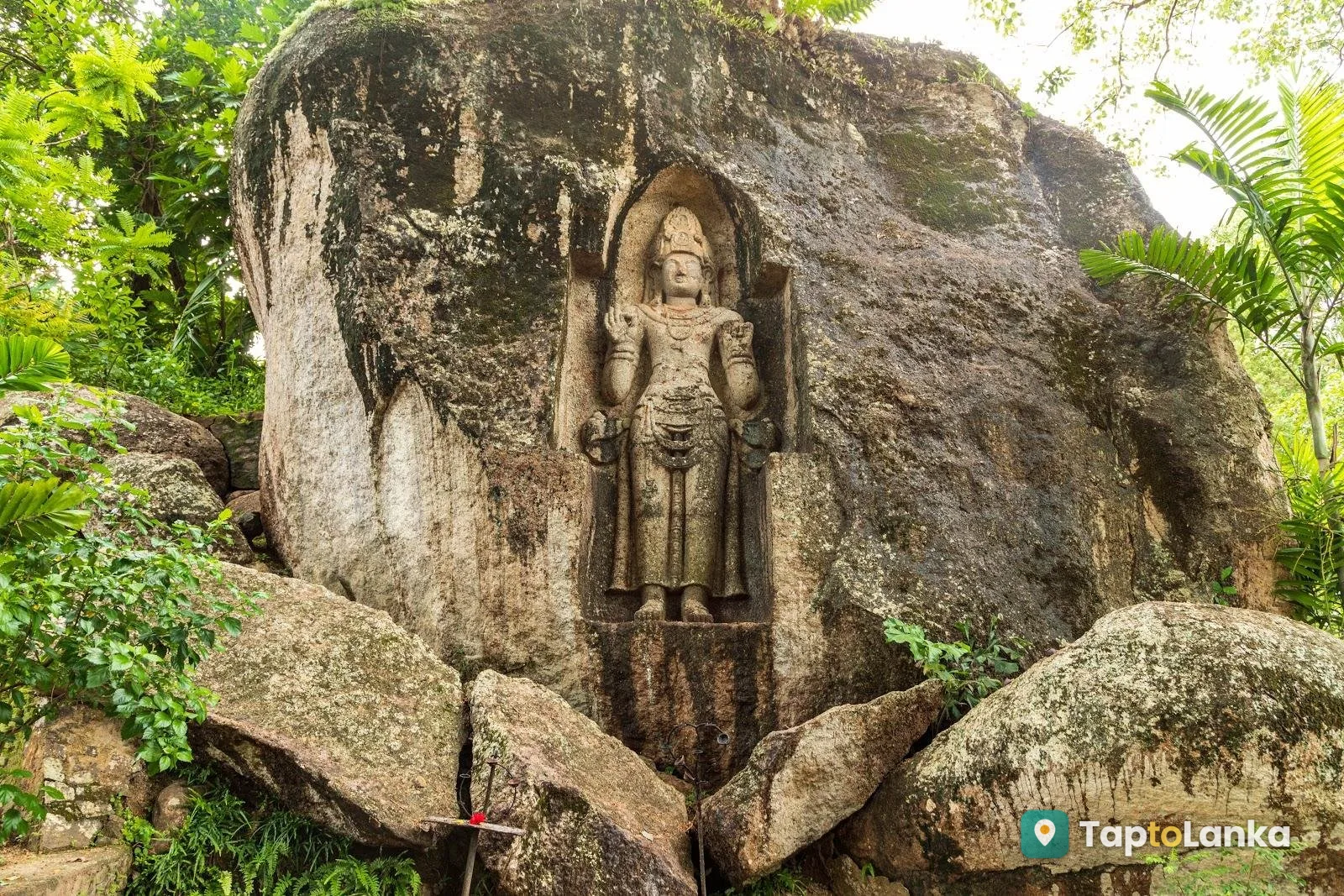
Historic rock-carved figure beside the coastal road. 3.83 metres high, the sculpture is widely identified as the Bodhisattva Avalokiteshvara and is admired for its elaborate crown, jewellery, and traditional stone craftsmanship.
Weligama Kushtarajagala Statue, also known as Kushta Raja Gala, is a remarkable ancient Buddhist rock carving situated in Weligama in the Matara District of Sri Lanka's Southern Province. Located near Agrabodhi Raja Maha Viharaya, the sculpture is considered one of the most significant surviving examples of Mahayana Buddhist art in southern Sri Lanka.
The statue is carved directly into a large natural rock face and stands approximately 3.83 metres high. Archaeologists generally date the sculpture to the early medieval period, although estimates vary from the 6th to the 9th century CE. Its artistic features reflect the influence of Mahayana Buddhist traditions that flourished in ancient Sri Lanka.
The standing figure is widely identified as Avalokiteshvara, the Bodhisattva of Compassion, who is associated with mercy, protection, and healing in Mahayana Buddhism. The sculpture features an elaborate headdress decorated with miniature Buddha images, necklaces, bracelets, anklets, and beautifully carved traditional garments. These artistic details demonstrate the exceptional craftsmanship of ancient Sri Lankan sculptors.
The name Kushtarajagala is commonly interpreted as the Rock of the Leper King. According to a popular local legend, a king or prince suffering from a serious skin disease arrived in Weligama and was eventually cured. In gratitude, he is said to have commissioned the rock carving. This story is part of local folklore rather than a historically verified account.
The monument is located within a small, peaceful heritage area surrounded by large rocks and tropical vegetation. The nearby Agrabodhi Raja Maha Viharaya adds religious significance to the location, while Weligama's coastal setting provides additional opportunities for sightseeing.
Kushtarajagala was officially recognised as a protected archaeological monument in Sri Lanka in 2004, highlighting its cultural and historical importance.
Today, the statue attracts visitors interested in Buddhist history, archaeological monuments, ancient stone sculpture, and local legends. It offers a fascinating glimpse into the artistic and spiritual traditions of early medieval Sri Lanka.
Travel to Weligama using local roads or public transport; confirm the final approach and access point on the map before departure.
Visit early in the morning or late afternoon for softer natural light and comfortable sightseeing conditions. Wear modest clothing because the statue is an important Buddhist religious monument. Respect worshippers and local religious traditions. Do not touch, climb, or damage the ancient rock carving, as its surface is vulnerable to deterioration. Avoid using flash directly on delicate historic features if restrictions are displayed. Wear comfortable footwear and be careful around uneven rocks and steps. Carry drinking water and sun protection. Stay within permitted visitor areas, keep the surroundings clean, and consider combining your visit with nearby Agrabodhi Raja Maha Viharaya and Weligama Bay.
Weligama Kushtarajagala Statue is in Weligama, Sri Lanka. Use the Google Maps link to check the exact approach and current directions.
Discover local history and examine features accessible to visitors without damaging them.
Daylight usually provides the best sightseeing conditions; check site schedules.
Hours: To confirm with venue / local authority. Entry fees: To confirm with venue / local authority. Confirm current prices and access rules with the managing authority before visiting.
Travel to Weligama using local roads or public transport; confirm the final approach and access point on the map before departure. Respect fragile structures and any photography or conservation rules.
මාතර, මාතර දිස්ත්රික්කය
Situated near the mouth of the Nilwala River and the Indian Ocean, it offers visitors an opportunity to explore Sri Lanka's colonial architecture, military history, and cultural heritage.
මාතර, මාතර දිස්ත්රික්කය
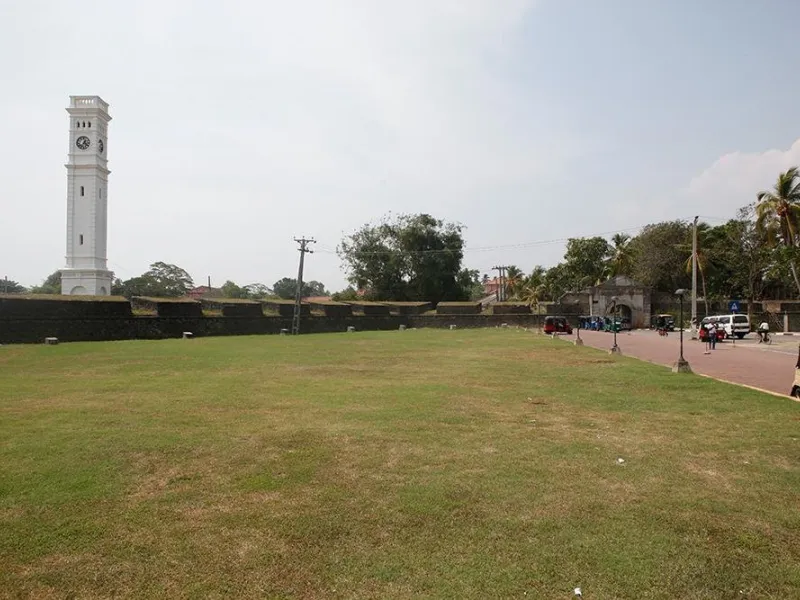
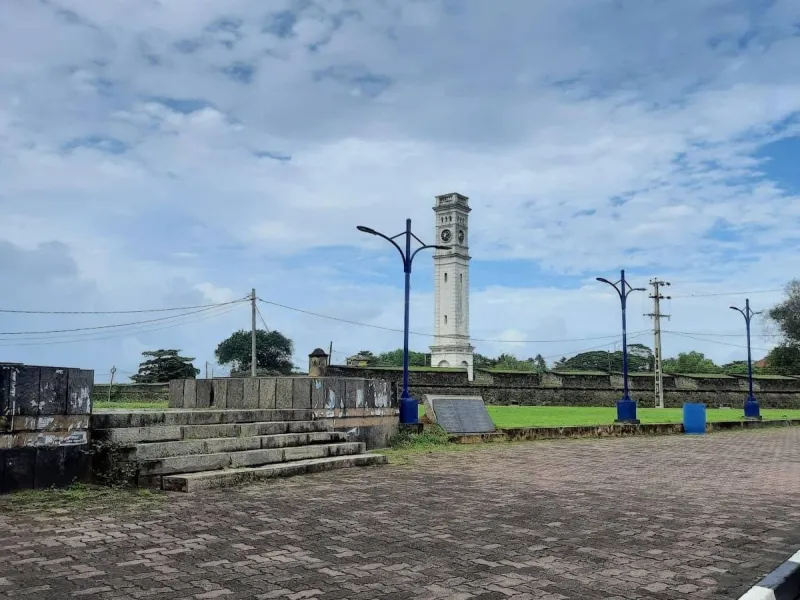
Matara Clock Tower is a historic colonial-era landmark located on the ramparts of Matara Fort in southern Sri Lanka. Completed in May 1883 during British rule, this elegant white clock tower is an important symbol of Matara's architectural and cultural heritage. Surrounded by old fort walls and the
මාතර, මාතර දිස්ත්රික්කය
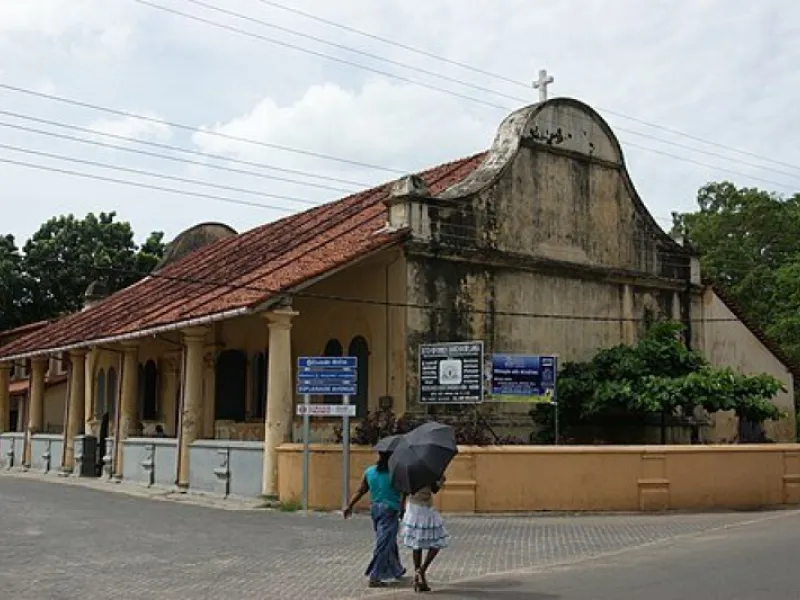
Historic church located within the fort precinct.
Mirissa, මාතර දිස්ත්රික්කය
A curved golden beach on the south coast, known for whale watching, surfing and the view from Coconut Tree Hill.
Tap to Lanka යෙදුම ලබා ගන්න
Share තට්ටු කර “Add to Home Screen” තෝරන්න.
කුකීස්
ඔබව පුරනය වී තබා ගැනීමට අපි කුකීස් භාවිත කරමු. ඔබේ එකඟතාව ඇතිව, වෙබ් අඩවිය වැඩිදියුණු කිරීමට පැමිණීම් ද ගණන් කරමු. පෞද්ගලිකත්ව ප්රතිපත්තිය