අන්තර්ගතයට යන්න
Tap to Lanka

කඩදොර විහාරය නටබුන්

නුවරඑළිය, නුවරඑළිය දිස්ත්‍රික්කය

මාර්ගය ලබා ගන්න

Discover Kadadora Temple Remains in Kotmale, a historic Buddhist shrine submerged beneath Kotmale Reservoir. During exceptionally low water levels, its Buddha statues, carved stone structures, and temple ruins reappear, offering a rare glimpse into Sri Lanka's lost religious heritage and the history

පැමිණීමට හොඳම කාලය
Only when temple remains are confirmed visible and safe public viewing access is permitted.
විවෘත වේලාවන්
access depends on reservoir operations and authority restrictions.
ඇතුළුවීමේ ගාස්තුව
Free
ඇඳුම් නීති
Modest, respectful clothing and sturdy outdoor footwear.
අවශ්‍ය කාලය
1-2 hours

විශේෂාංග

  • Historic Buddhist temple submerged beneath Kotmale Reservoir
  • Rare appearance of temple ruins during exceptionally low water levels
  • Surviving seated Buddha statue and religious sculptures
  • Ornate stone arch and decorative architectural features
  • Important religious heritage of the former Kotmale Valley
  • Connection to the Mahaweli Development Programme
  • Historical reminder of villages and temples submerged by the reservoir
  • Beautiful mountain and reservoir landscapes
  • Unique archaeological and heritage photography opportunities
  • Nearby Mahaweli Maha Seya commemorative stupa
  • Significant cultural landmark of Nuwara Eliya District
  • Rare destination where historical structures reappear from reservoir waters

Kadadora Temple Remains - The Lost Buddhist Shrine Beneath Kotmale Reservoir

Kadadora Temple Remains, also known as Kadadora Viharaya or Kadadora Sri Priyabimbaramaya Vihara, is a historic Buddhist religious site located within the Kotmale Reservoir in the Nuwara Eliya District of Sri Lanka's Central Province.

Unlike ordinary heritage attractions, the temple remains submerged beneath reservoir waters for most of the year. During periods of exceptionally low water levels, its historic ruins become visible, revealing an important part of the religious and cultural heritage of the former Kotmale Valley.

Historical Background and Religious Heritage

Kadadora Viharaya was once an important Buddhist place of worship serving communities in the Kotmale region.

The temple featured traditional religious structures, Buddha statues, decorative stonework, and spaces used for worship and religious gatherings.

Its architecture reflected Buddhist religious traditions and the cultural character of the surrounding communities.

The temple's historical significance is closely connected to the transformation of the Kotmale Valley during Sri Lanka's major irrigation and hydroelectric development programmes.

## Submersion Beneath Kotmale Reservoir

During the development of the Kotmale Hydropower Project under the Mahaweli Development Programme, large areas of the Kotmale Valley were transformed into a reservoir.

Villages, agricultural lands, and religious sites were affected by the construction and filling of the reservoir during the late twentieth century.

Kadadora Viharaya was among the religious structures submerged beneath the rising waters.

Its disappearance represented an important change in the cultural landscape of Kotmale, with former settlements and religious landmarks becoming part of the reservoir's underwater environment.

The Remarkable Seasonal Reappearance

One of the most unusual features of Kadadora Temple Remains is its occasional reappearance when Kotmale Reservoir experiences exceptionally low water levels.

During extended dry periods or significant reductions in reservoir storage, portions of the temple may emerge from the water.

The exposed remains can include Buddha statues, decorative arches, stone walls, and other architectural features.

In February 2026, the temple ruins became visible again following a considerable reduction in the reservoir's water level.

These rare appearances attract public attention because they provide an opportunity to observe religious structures normally hidden beneath the water.

The ruins are not visible throughout the year, and their appearance cannot be guaranteed for any particular month.

Architectural Features and Religious Sculptures

The surviving temple remains include a seated Buddha statue, decorative stone arches, sculpted figures, and sections of masonry.

The ornate entrance features religious imagery and carved details that reflect the artistic traditions associated with Buddhist temple architecture.

Although prolonged submersion and environmental exposure have affected the structures, the surviving architectural details provide valuable insights into the former shrine.

Visitors should observe these fragile remains without touching, climbing, or disturbing them.

Cultural Significance and Lost Heritage

Kadadora Viharaya represents an important connection between Sri Lanka's religious heritage and the transformation of rural communities during large-scale development projects.

The temple serves as a reminder of the settlements, places of worship, and cultural landmarks that disappeared beneath the Kotmale Reservoir.

Its occasional reappearance offers a meaningful opportunity to reflect on the history of the valley and the communities that once lived there.

The nearby Mahaweli Maha Seya was constructed to commemorate religious sites and cultural heritage affected by the reservoir project.

Scenic Kotmale Reservoir Surroundings

Beyond its historical importance, the site is situated within the beautiful mountain landscape of Kotmale.

The surrounding reservoir, green hills, and highland vegetation create an attractive natural environment.

When water levels are low, the exposed reservoir bed reveals a dramatically different landscape, with historic structures emerging from areas normally covered by water.

Visitors may appreciate the wider reservoir scenery from safe, publicly permitted viewing areas, even when the temple remains are submerged.

A Rare Historical Experience

Kadadora Temple Remains is one of Sri Lanka's most unusual historical destinations because its visibility depends on changing reservoir water levels.

For history enthusiasts, photographers, religious visitors, and cultural travellers, the site offers an opportunity to appreciate the relationship between historical heritage, modern development, and the natural environment.

However, reservoir conditions can change unexpectedly, and access to exposed areas may be dangerous or restricted.

Visitors should confirm current visibility and access arrangements with the relevant authorities before travelling and should never enter the reservoir bed without explicit permission.
ඡායාරූප

යන ආකාරය

Kadadora Temple Remains is located within Kotmale Reservoir in the Kadadora area of Nuwara Eliya District, Sri Lanka's Central Province. Visitors travelling from Kandy can proceed towards Gampola and continue to the Kotmale region using the local road network. Travellers arriving from Nuwara Eliya can travel towards Kotmale through the highland roads, depending on their selected route. Visitors travelling from Colombo can reach the Gampola or Kotmale area using the main road connections before continuing towards Kadadora. Private vehicles, taxis, or locally arranged transport may be convenient for reaching permitted public viewing areas around the reservoir. Use GPS coordinates 7.062939, 80.607121 as a historical location reference for the temple remains. These coordinates do not identify a verified public entrance or safe viewing point. Before travelling, visitors should confirm whether the temple remains are currently visible and whether access has been authorised by the relevant reservoir management and local authorities. Do not enter exposed reservoir areas or cross muddy reservoir beds without explicit permission, as water levels and ground conditions may change unexpectedly.

නරඹන්නන් සඳහා උපදෙස්

Confirm that the temple remains are visible before planning your visit. Check current access restrictions with relevant local or reservoir authorities. Visit only during daylight hours and suitable weather conditions. Never enter the exposed reservoir bed without explicit authorisation. Stay away from unstable mud, soft silt, steep banks, and deep water. Avoid visiting during heavy rainfall or rising reservoir water levels. Respect the religious and historical significance of the temple remains. Do not climb, touch, or damage Buddha statues and fragile structures. Never remove stones, sculptures, or archaeological materials. Wear sturdy footwear suitable for uneven outdoor terrain. Carry drinking water, sun protection, and essential personal supplies. Keep children away from the water's edge and unsafe ground. Take photographs only from safe and permitted areas. Respect local communities and other visitors. Keep the surroundings clean and avoid leaving plastic waste.

නිතර අසන ප්‍රශ්න

Where is Kadadora Temple Remains located?

Kadadora Temple Remains is located within Kotmale Reservoir in the Kadadora area of Nuwara Eliya District, Sri Lanka's Central Province. The former Buddhist temple is normally submerged beneath the reservoir waters. Visitors should confirm a safe and permitted viewing location before travelling.

Why is Kadadora Temple famous?

Kadadora Temple is famous for being a historic Buddhist shrine submerged during the development of Kotmale Reservoir. When reservoir water levels fall significantly, portions of the temple, including Buddha statues, carved stone arches, and masonry, occasionally reappear. This rare phenomenon makes the site an important symbol of Sri Lanka's submerged cultural heritage.

When is the best time to visit Kadadora Temple Remains?

The best time to visit is when reservoir water levels are exceptionally low and the temple remains are confirmed visible. The ruins reappeared in February 2026, but there is no guaranteed annual viewing season. Visitors should confirm current visibility, weather conditions, and official access arrangements before travelling.

What are the opening hours and entrance fees for Kadadora Temple Remains?

Kadadora Temple Remains does not have a verified fixed visiting schedule or standard entrance fee. The site lies within an operational reservoir, and access depends on water levels, safety conditions, and permission from relevant authorities. Visitors should not assume that exposed ruins are automatically open to the public.

What can visitors see at Kadadora Temple Remains, and what precautions should they take?

When the reservoir level drops sufficiently, visitors may be able to observe historic Buddha statues, decorative arches, stone masonry, and other temple remains from permitted viewing areas. Visitors should avoid unstable reservoir ground, keep away from deep water, respect the religious sculptures, and never enter restricted areas without authorisation.

අමුත්තන්ගේ සමාලෝචන

තවම සමාලෝචන නැත. මෙහි ගොස් තිබේද? අනෙක් අමුත්තන්ට ඔබගේ උපදෙස් බෙදාගන්න.

සමාලෝචනයක් ලිවීමට පුරනය වන්න
සංස්කරණයක් යෝජනා කරන්න හෝ වැරදි තොරතුරු වාර්තා කරන්න

අවට තවත් ස්ථාන

සියල්ල බලන්න →
හැටන් දුම්රිය ස්ථානය
ඓතිහාසික සහ උරුම ස්ථාන

හැටන් දුම්රිය ස්ථානය

නුවරඑළිය, නුවරඑළිය දිස්ත්‍රික්කය

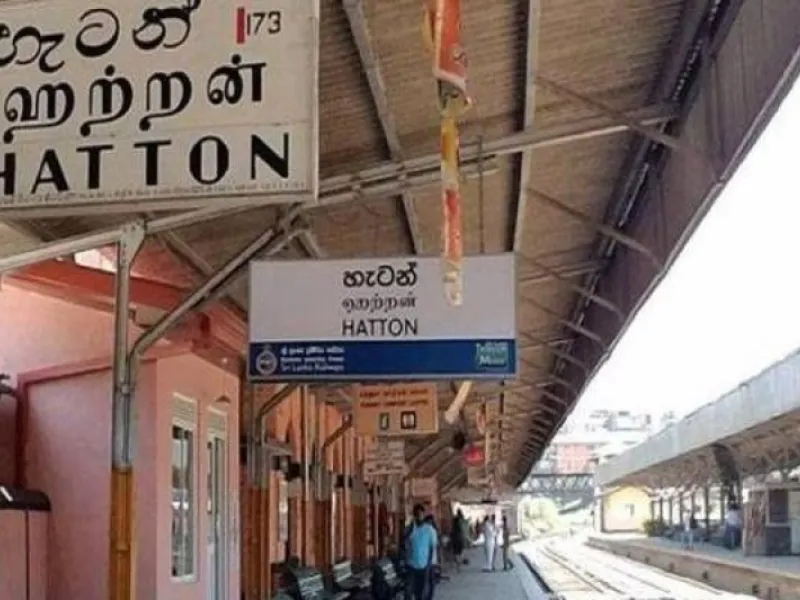
Discover Hatton Railway Station, a historic colonial-era railway landmark established in 1884. Surrounded by scenic tea plantations and misty highland landscapes, the station showcases Sri Lanka's railway heritage and serves as an important gateway to Adam's Peak and the central hill country.

නුවරඑළිය තුරඟ තරග පිටිය
ඓතිහාසික සහ උරුම ස්ථාන

නුවරඑළිය තුරඟ තරග පිටිය

නුවරඑළිය, නුවරඑළිය දිස්ත්‍රික්කය

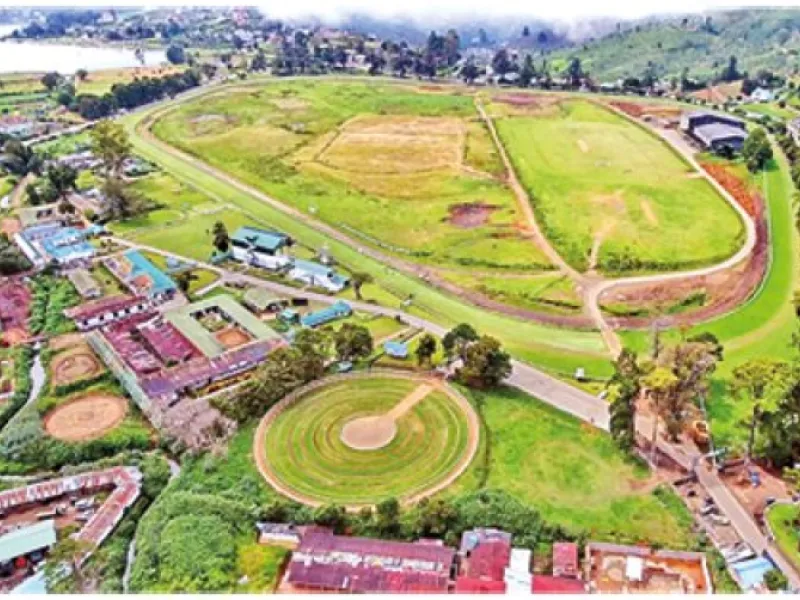
Explore Nuwara Eliya Racecourse Grounds, a historic horse-racing venue established in 1875. Surrounded by beautiful green hills and cool mountain scenery, the racecourse is famous for its colonial sporting heritage, annual April horse races, and prestigious Governor's Cup celebrations.

නානුඔය දුම්රිය ස්ථානය
ඓතිහාසික සහ උරුම ස්ථාන

නානුඔය දුම්රිය ස්ථානය

නුවරඑළිය, නුවරඑළිය දිස්ත්‍රික්කය

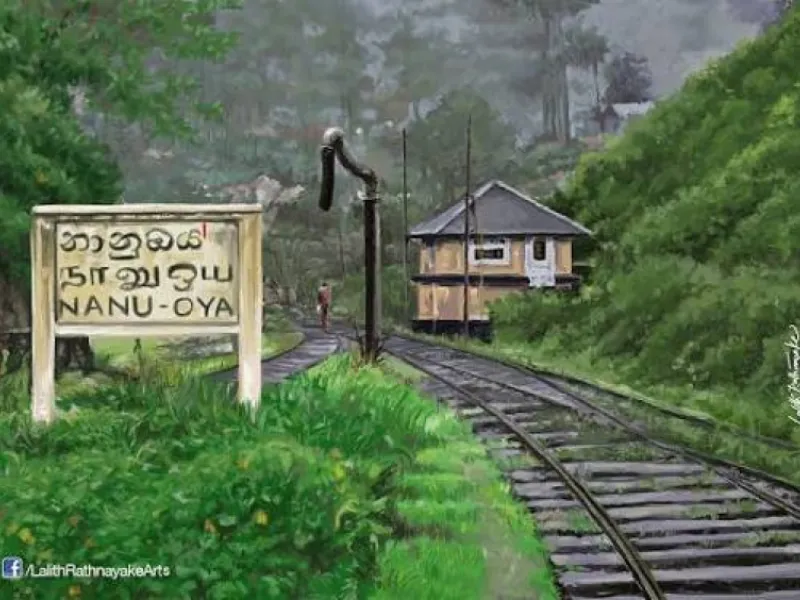
Discover Nanu Oya Railway Station, a historic railway landmark and the main train gateway to Nuwara Eliya. Established in 1885, the station is known for its beautiful hill-country railway journeys, colonial-era heritage, surrounding tea plantations, and scenic mountain landscapes.

හෝර්ටන් තැන්න ජාතික වනෝද්‍යානය
ජාතික වනෝද්‍යාන සහ වනජීවී අනිවාර්යයෙන් බලන්න

හෝර්ටන් තැන්න ජාතික වනෝද්‍යානය

Hatton, නුවරඑළිය දිස්ත්‍රික්කය

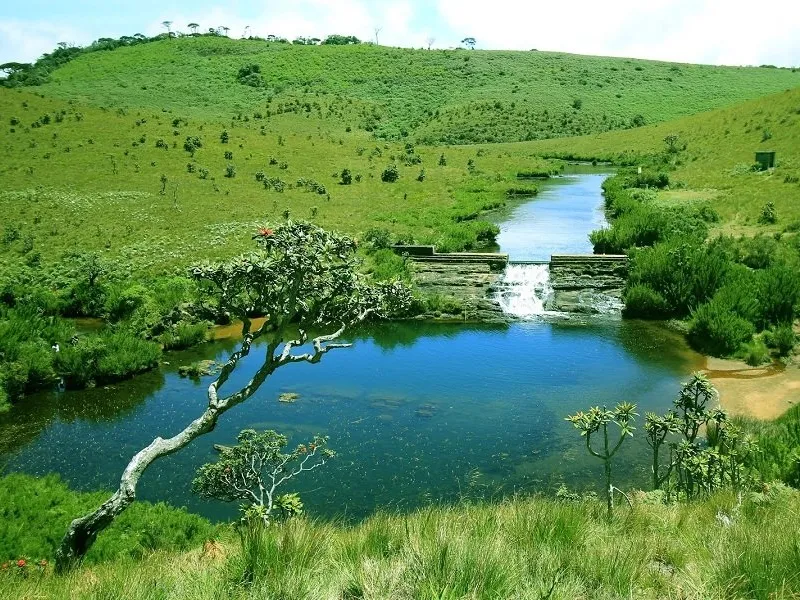
Horton Plains National Park is a UNESCO-listed natural wonder in Sri Lanka's Central Highlands, famous for its misty grasslands, cloud forests, World's End viewpoint, Baker's Falls and diverse wildlife.

ලෝකාන්තය
කඳු, කඳු නැගීම් සහ දසුන් ස්ථාන අනිවාර්යයෙන් බලන්න

ලෝකාන්තය

Hatton, නුවරඑළිය දිස්ත්‍රික්කය

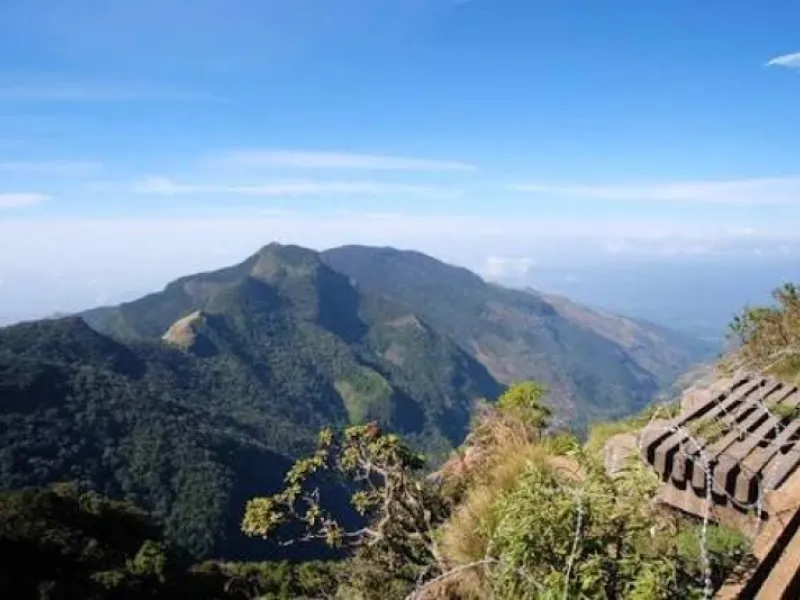
World's End is a spectacular cliff viewpoint in Horton Plains National Park, famous for its dramatic vertical drop and breathtaking panoramic views of Sri Lanka's Central Highlands, valleys and distant southern coastline.

ග්‍රෙගරි වැව
වැව් සහ ජලාශ

ග්‍රෙගරි වැව

නුවරඑළිය, නුවරඑළිය දිස්ත්‍රික්කය

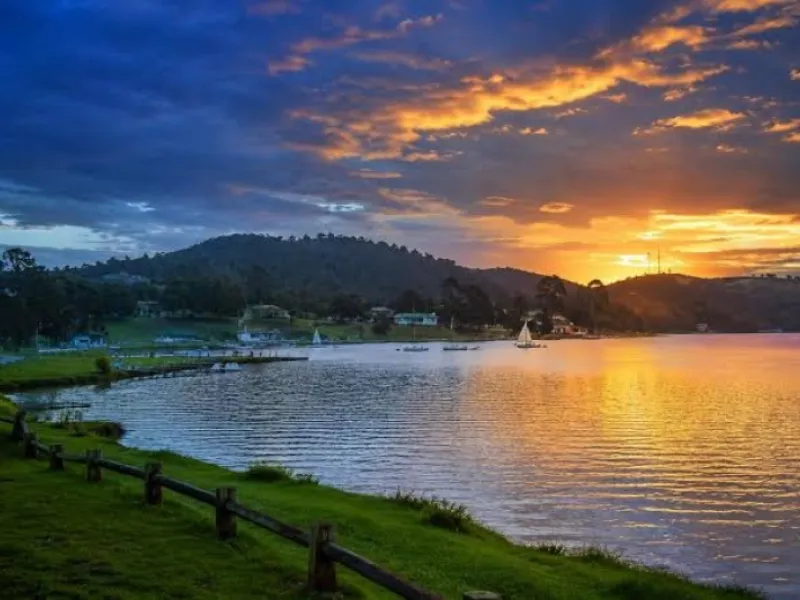
Gregory Lake is a reservoir in Nuwara Eliya, Sri Lanka, built in 1873 under British Governor Sir William Gregory. Covering 91.2 hectares, it is a recreational area offering boating, pony riding, walking paths, picnic areas, and lakeside activities.

මාර්ගය ලබා ගන්න ගමන සැලසුම් කරන්න