Kadadora Temple Remains - The Lost Buddhist Shrine Beneath Kotmale Reservoir
Kadadora Temple Remains, also known as Kadadora Viharaya or Kadadora Sri Priyabimbaramaya Vihara, is a historic Buddhist religious site located within the Kotmale Reservoir in the Nuwara Eliya District of Sri Lanka's Central Province.
Unlike ordinary heritage attractions, the temple remains submerged beneath reservoir waters for most of the year. During periods of exceptionally low water levels, its historic ruins become visible, revealing an important part of the religious and cultural heritage of the former Kotmale Valley.
Historical Background and Religious Heritage
Kadadora Viharaya was once an important Buddhist place of worship serving communities in the Kotmale region.
The temple featured traditional religious structures, Buddha statues, decorative stonework, and spaces used for worship and religious gatherings.
Its architecture reflected Buddhist religious traditions and the cultural character of the surrounding communities.
The temple's historical significance is closely connected to the transformation of the Kotmale Valley during Sri Lanka's major irrigation and hydroelectric development programmes.
## Submersion Beneath Kotmale Reservoir
During the development of the Kotmale Hydropower Project under the Mahaweli Development Programme, large areas of the Kotmale Valley were transformed into a reservoir.
Villages, agricultural lands, and religious sites were affected by the construction and filling of the reservoir during the late twentieth century.
Kadadora Viharaya was among the religious structures submerged beneath the rising waters.
Its disappearance represented an important change in the cultural landscape of Kotmale, with former settlements and religious landmarks becoming part of the reservoir's underwater environment.
The Remarkable Seasonal Reappearance
One of the most unusual features of Kadadora Temple Remains is its occasional reappearance when Kotmale Reservoir experiences exceptionally low water levels.
During extended dry periods or significant reductions in reservoir storage, portions of the temple may emerge from the water.
The exposed remains can include Buddha statues, decorative arches, stone walls, and other architectural features.
In February 2026, the temple ruins became visible again following a considerable reduction in the reservoir's water level.
These rare appearances attract public attention because they provide an opportunity to observe religious structures normally hidden beneath the water.
The ruins are not visible throughout the year, and their appearance cannot be guaranteed for any particular month.
Architectural Features and Religious Sculptures
The surviving temple remains include a seated Buddha statue, decorative stone arches, sculpted figures, and sections of masonry.
The ornate entrance features religious imagery and carved details that reflect the artistic traditions associated with Buddhist temple architecture.
Although prolonged submersion and environmental exposure have affected the structures, the surviving architectural details provide valuable insights into the former shrine.
Visitors should observe these fragile remains without touching, climbing, or disturbing them.
Cultural Significance and Lost Heritage
Kadadora Viharaya represents an important connection between Sri Lanka's religious heritage and the transformation of rural communities during large-scale development projects.
The temple serves as a reminder of the settlements, places of worship, and cultural landmarks that disappeared beneath the Kotmale Reservoir.
Its occasional reappearance offers a meaningful opportunity to reflect on the history of the valley and the communities that once lived there.
The nearby Mahaweli Maha Seya was constructed to commemorate religious sites and cultural heritage affected by the reservoir project.
Scenic Kotmale Reservoir Surroundings
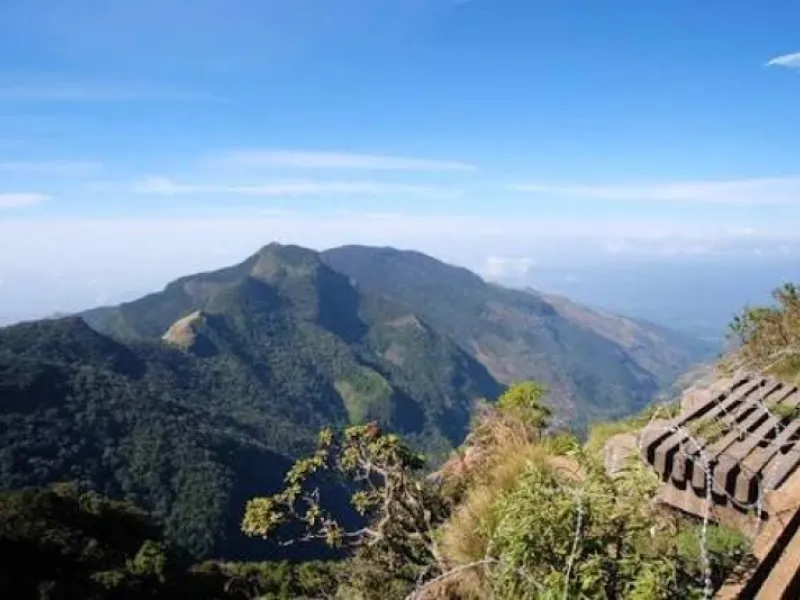
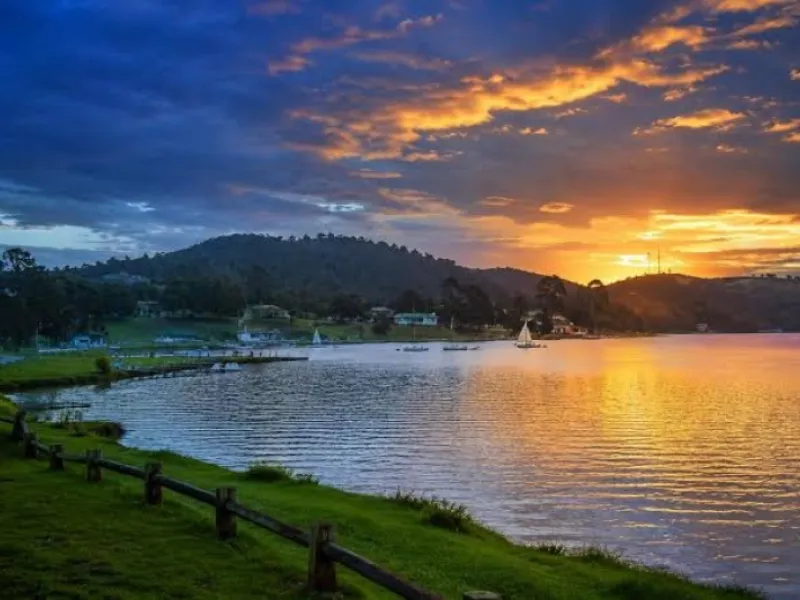
Beyond its historical importance, the site is situated within the beautiful mountain landscape of Kotmale.
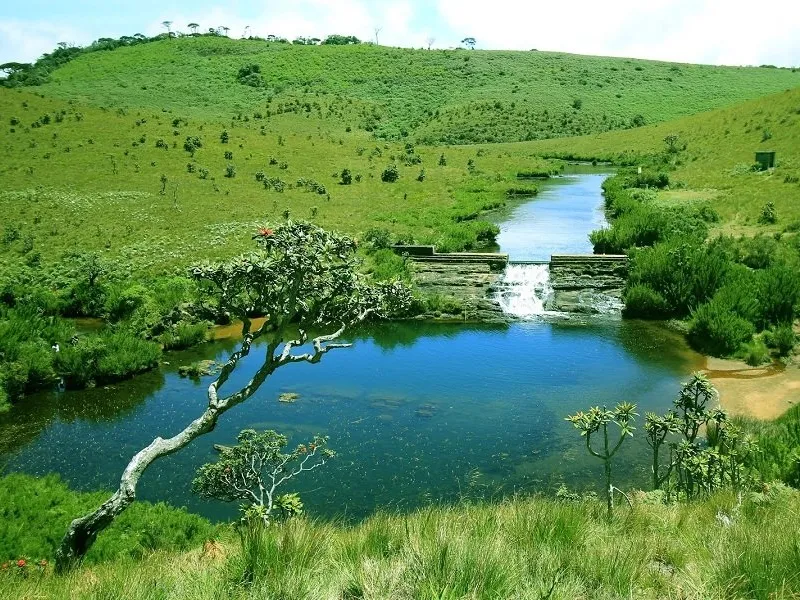
The surrounding reservoir, green hills, and highland vegetation create an attractive natural environment.
When water levels are low, the exposed reservoir bed reveals a dramatically different landscape, with historic structures emerging from areas normally covered by water.
Visitors may appreciate the wider reservoir scenery from safe, publicly permitted viewing areas, even when the temple remains are submerged.
A Rare Historical Experience
Kadadora Temple Remains is one of Sri Lanka's most unusual historical destinations because its visibility depends on changing reservoir water levels.
For history enthusiasts, photographers, religious visitors, and cultural travellers, the site offers an opportunity to appreciate the relationship between historical heritage, modern development, and the natural environment.
However, reservoir conditions can change unexpectedly, and access to exposed areas may be dangerous or restricted.
Visitors should confirm current visibility and access arrangements with the relevant authorities before travelling and should never enter the reservoir bed without explicit permission.