Matara Fort, also known as Matara Dutch Fort, is one of the important colonial-era heritage landmarks in Sri Lanka's Southern Province. Located in the heart of Matara town, the historic fortress stands on a coastal peninsula near the mouth of the Nilwala River and the Indian Ocean.
The fort's early history is associated with Portuguese occupation during the late 16th century. The Dutch subsequently established stronger fortifications at Matara, constructing the surviving defensive ramparts in 1645. The location was strategically important because of its sheltered river estuary, coastal trade, and connections with the inland regions of southern Sri Lanka.
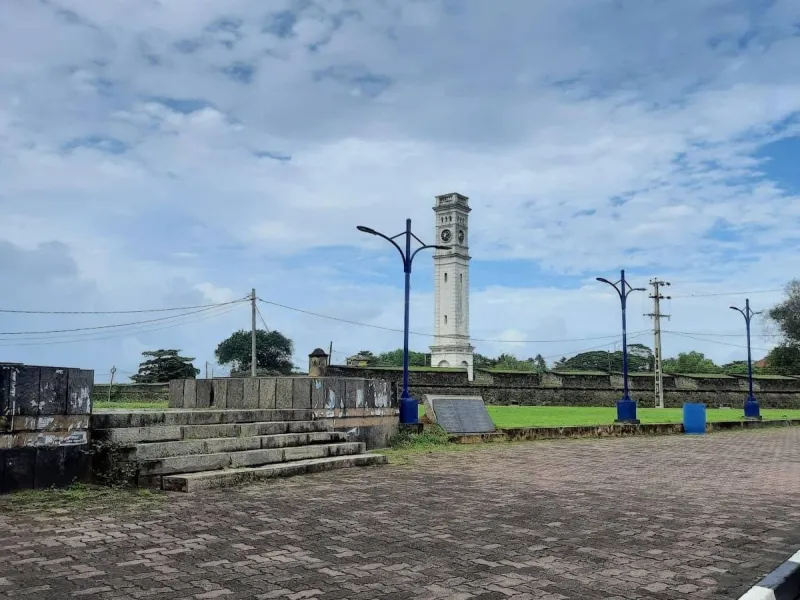
The fortress was designed to protect the colonial settlement and its administrative and commercial facilities. Its defensive structure includes a substantial stone rampart built using granite, coral, limestone, and lime mortar. The fortified gateway and surviving sections of the old wall demonstrate the military architecture of the Dutch colonial period.
One of the most important events in the fort's history occurred during the Matara Rebellion of 1761, when forces associated with the Kandyan Kingdom captured the fort from the Dutch. The Dutch regained control in 1762, and the fort was later transferred to the British in February 1796.
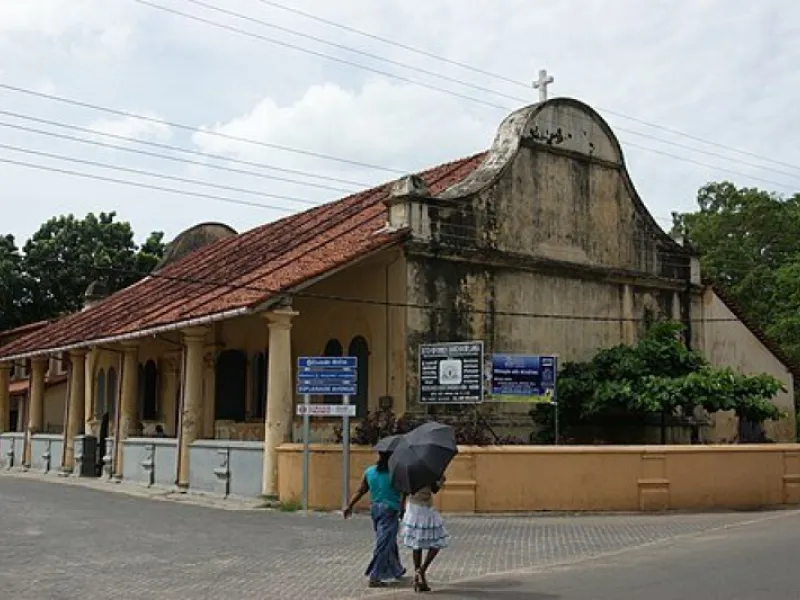
The historic fort area contains several significant colonial landmarks, including the Old Dutch Reformed Church, old administrative buildings, and the Matara Clock Tower, which was added during the British colonial period in 1883. These buildings reflect different stages of the town's historical development.
Unlike some preserved fortresses, Matara Fort remains an active part of the modern town. Its historic streets contain government offices, public buildings, and everyday urban activity, creating an interesting combination of colonial heritage and contemporary Sri Lankan life.
Visitors can admire the surviving fort ramparts, photograph the clock tower, explore permitted public areas, and discover the historical relationship between Matara's coastal location and its colonial past. The nearby Matara Star Fort is a separate 18th-century defensive structure built by the Dutch after the Matara Rebellion.
Today, Matara Fort remains an important protected archaeological monument and a valuable destination for travellers interested in Sri Lanka's military history, colonial architecture, and southern coastal heritage.