අන්තර්ගතයට යන්න
Tap to Lanka

මාතර බලකොටුව

මාතර, මාතර දිස්ත්‍රික්කය

මාර්ගය ලබා ගන්න

Situated near the mouth of the Nilwala River and the Indian Ocean, it offers visitors an opportunity to explore Sri Lanka's colonial architecture, military history, and cultural heritage.

පැමිණීමට හොඳම කාලය
December to April Early morning (7:00 AM – 9:00 AM) or late afternoon (4:00 PM – 6:00 PM) is recommended for cooler conditions and photography.
විවෘත වේලාවන්
The public streets and exterior ramparts are generally accessible throughout the day. There are no fixed tourist opening hours for the entire fort area.
ඇතුළුවීමේ ගාස්තුව
Free entry for Sri Lankan and foreign visitors to permitted public streets and exterior fort areas.
අවශ්‍ය කාලය
Allow 1–2 hours or longer for a large archaeological site.

විශේෂාංග

  • Historic Dutch Fortifications – Admire the surviving 17th-century stone ramparts and colonial defensive architecture.
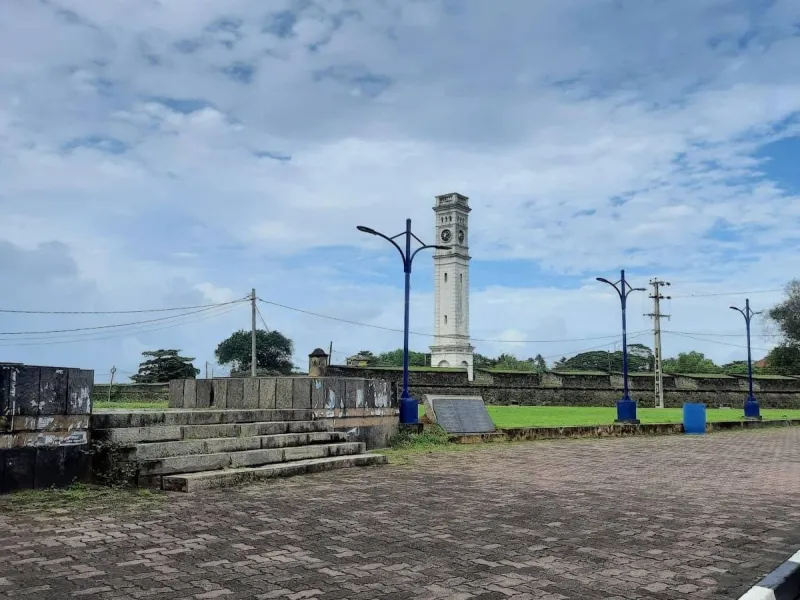
  • Matara Clock Tower – See the iconic white clock tower built in 1883 during British colonial rule.
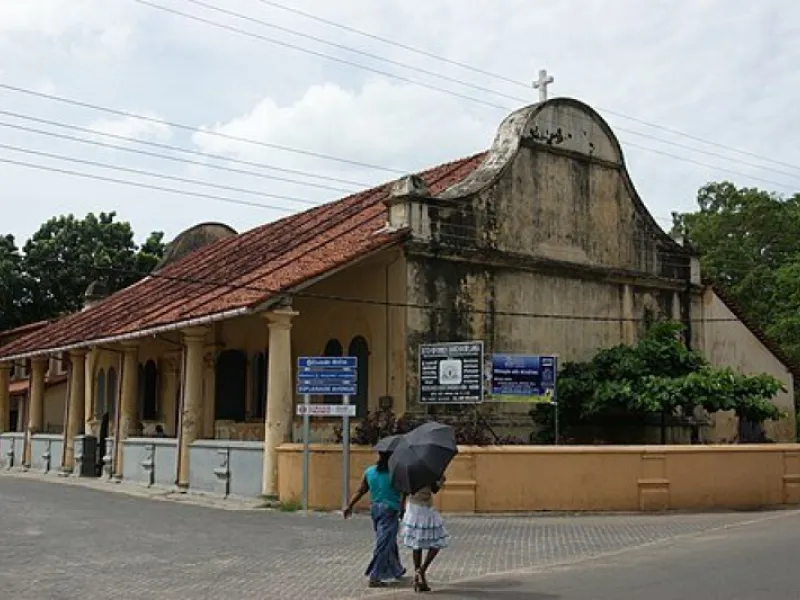
  • Old Dutch Reformed Church – Discover one of Matara's oldest surviving colonial religious buildings and its historic grave markers.
  • Colonial Military History – Learn about Portuguese occupation, Dutch fortification, the Matara Rebellion, and British administration.
  • Ancient Fort Gateway – Explore the historical entrance and distinctive stone construction of the fortified settlement.
  • Nilwala River and Coastal Setting – Appreciate the fort's strategic location between the river estuary and the Indian Ocean.
  • Historic Town Photography – Capture the ramparts, clock tower, colonial buildings, and traditional townscape.
  • Nearby Matara Star Fort – Explore a separate Dutch defensive fort constructed during the 1760s.

Matara Fort, also known as Matara Dutch Fort, is one of the important colonial-era heritage landmarks in Sri Lanka's Southern Province. Located in the heart of Matara town, the historic fortress stands on a coastal peninsula near the mouth of the Nilwala River and the Indian Ocean.

The fort's early history is associated with Portuguese occupation during the late 16th century. The Dutch subsequently established stronger fortifications at Matara, constructing the surviving defensive ramparts in 1645. The location was strategically important because of its sheltered river estuary, coastal trade, and connections with the inland regions of southern Sri Lanka.

The fortress was designed to protect the colonial settlement and its administrative and commercial facilities. Its defensive structure includes a substantial stone rampart built using granite, coral, limestone, and lime mortar. The fortified gateway and surviving sections of the old wall demonstrate the military architecture of the Dutch colonial period.

One of the most important events in the fort's history occurred during the Matara Rebellion of 1761, when forces associated with the Kandyan Kingdom captured the fort from the Dutch. The Dutch regained control in 1762, and the fort was later transferred to the British in February 1796.

The historic fort area contains several significant colonial landmarks, including the Old Dutch Reformed Church, old administrative buildings, and the Matara Clock Tower, which was added during the British colonial period in 1883. These buildings reflect different stages of the town's historical development.

Unlike some preserved fortresses, Matara Fort remains an active part of the modern town. Its historic streets contain government offices, public buildings, and everyday urban activity, creating an interesting combination of colonial heritage and contemporary Sri Lankan life.

Visitors can admire the surviving fort ramparts, photograph the clock tower, explore permitted public areas, and discover the historical relationship between Matara's coastal location and its colonial past. The nearby Matara Star Fort is a separate 18th-century defensive structure built by the Dutch after the Matara Rebellion.

Today, Matara Fort remains an important protected archaeological monument and a valuable destination for travellers interested in Sri Lanka's military history, colonial architecture, and southern coastal heritage.
ඡායාරූප

යන ආකාරය

Matara Fort is located in central Matara, close to the Matara Bus Stand and the Nilwala River estuary. Visitors travelling from Colombo, Galle, Weligama, or Mirissa can reach Matara via the A2 coastal highway, public bus, train, taxi, or private vehicle. From Matara Railway Station or the main bus stand, take a short tuk-tuk ride or walk towards the historic fort and clock tower. Follow directions to Matara Dutch Fort rather than Matara Star Fort, which is a separate attraction.

නරඹන්නන් සඳහා උපදෙස්

Visit early in the morning or late afternoon to avoid strong midday sunlight. Wear comfortable walking shoes and lightweight clothing suitable for warm coastal weather. Carry drinking water, sunscreen, and a hat. Explore only public areas and respect restrictions around government offices, courts, and private properties. Do not climb unstable ramparts or damaged historic structures. Be careful near busy roads and exposed coastal areas. Ask permission before photographing restricted buildings or people. Respect the historic Dutch church and any religious activities. Keep the fort surroundings clean and avoid damaging ancient walls or monuments. Combine your visit with the Matara Clock Tower and nearby Matara Star Fort.

නිතර අසන ප්‍රශ්න

Where is Matara Fort located?

Matara Fort is in Matara, Sri Lanka. Use the Google Maps link to check the exact approach and current directions.

What can visitors do at Matara Fort?

Discover local history and examine features accessible to visitors without damaging them.

When is the best time to visit Matara Fort?

Daylight usually provides the best sightseeing conditions; check site schedules.

What are the opening hours and entry fees for Matara Fort?

Hours: To confirm with venue / local authority. Entry fees: To confirm with venue / local authority. Confirm current prices and access rules with the managing authority before visiting.

How do I get to Matara Fort, and what should I know before visiting?

Travel to Matara using local roads or public transport; confirm the final approach and access point on the map before departure. Respect fragile structures and any photography or conservation rules.

අවට තවත් ස්ථාන

සියල්ල බලන්න →
මාතර ඔරලෝසු කුළුණ
ඓතිහාසික සහ උරුම ස්ථාන

මාතර ඔරලෝසු කුළුණ

මාතර, මාතර දිස්ත්‍රික්කය

Matara Clock Tower is a historic colonial-era landmark located on the ramparts of Matara Fort in southern Sri Lanka. Completed in May 1883 during British rule, this elegant white clock tower is an important symbol of Matara's architectural and cultural heritage. Surrounded by old fort walls and the

වැලිගම කුෂ්ටරජගල ප්‍රතිමාව
ඓතිහාසික සහ උරුම ස්ථාන

වැලිගම කුෂ්ටරජගල ප්‍රතිමාව

Weligama, මාතර දිස්ත්‍රික්කය

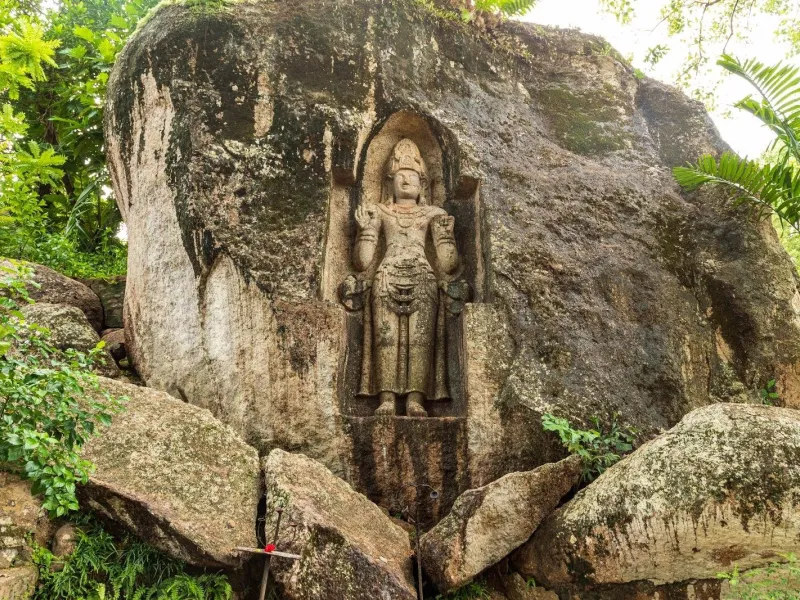
Historic rock-carved figure beside the coastal road. 3.83 metres high, the sculpture is widely identified as the Bodhisattva Avalokiteshvara and is admired for its elaborate crown, jewellery, and traditional stone craftsmanship.

ඩෙවිනුවර ගල් ගෙ
ඓතිහාසික සහ උරුම ස්ථාන

ඩෙවිනුවර ගල් ගෙ

මාතර දිස්ත්‍රික්කය

Stone structure associated with the area's archaeological past.

වෙරළ තීරයන් අනිවාර්යයෙන් බලන්න

මිරිස්ස වෙරළ

Mirissa, මාතර දිස්ත්‍රික්කය

A curved golden beach on the south coast, known for whale watching, surfing and the view from Coconut Tree Hill.

/ තෝරා ඇත

සසඳන්න