Nanu Oya Railway Station - The Historic Railway Gateway to Nuwara Eliya
Nanu Oya Railway Station is a historic railway landmark situated in the Nanu Oya area of Nuwara Eliya District, Sri Lanka's Central Province. Surrounded by beautiful tea plantations, mist-covered mountains, and lush green hills, the station serves as the main railway gateway to the popular hill-country destination of Nuwara Eliya.
Established during the British colonial period, Nanu Oya Railway Station is an important part of Sri Lanka's railway history and a memorable destination for travellers exploring the scenic central highlands.
Historical Background and Colonial Railway Heritage
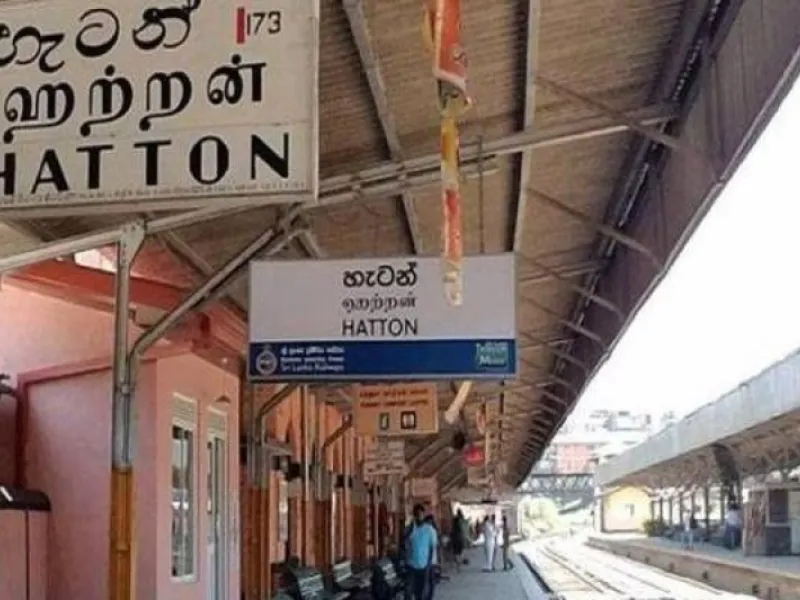
Nanu Oya Railway Station was officially opened on 20 May 1885, when the railway line was extended from Hatton to Nanu Oya.
Originally developed during British colonial rule, the railway played an important role in transporting tea and other plantation products from the central highlands to commercial centres.
Nanu Oya initially served as the terminus of the Main Line before the railway was extended farther into the hill country.
The station also became a railway junction for the former Udupussellawa narrow-gauge railway, which connected Nanu Oya with Nuwara Eliya and Ragala.
Although the narrow-gauge railway was eventually discontinued, Nanu Oya remains an important landmark representing the history and development of Sri Lanka's railway network.
Scenic Hill-Country Railway Journeys
One of the greatest attractions of Nanu Oya Railway Station is its location along Sri Lanka's famous scenic hill-country railway route.
Trains travelling between Colombo, Kandy, Nanu Oya, Ella, and Badulla pass through landscapes featuring tea plantations, misty mountains, lush valleys, forests, and historic railway infrastructure.
The journey is particularly popular among tourists who wish to experience the natural beauty of Sri Lanka's central highlands.
Nanu Oya provides a convenient arrival and departure point for travellers visiting Nuwara Eliya and surrounding attractions.
Historic Railway Architecture and Atmosphere
Nanu Oya Railway Station retains the traditional character of a Sri Lankan hill-country railway station.
Its covered platforms, station buildings, railway tracks, and mountain surroundings contribute to its distinctive atmosphere.
The station offers visitors an opportunity to appreciate the architectural character and operational heritage of the country's railway system.
Watching trains arrive and depart against the backdrop of green hills creates an enjoyable experience for railway enthusiasts and photographers.
Tea Plantations and Highland Scenery
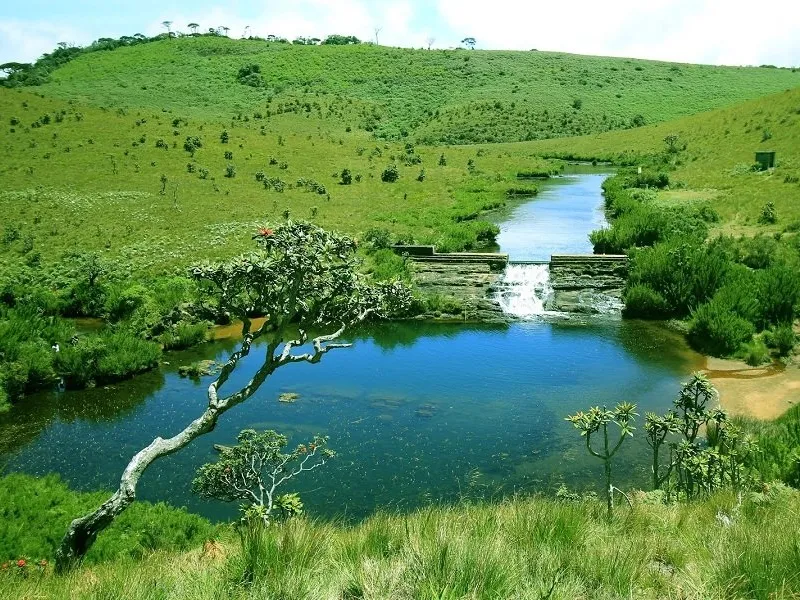
The surrounding Nanu Oya region is known for its extensive tea estates, cool climate, and beautiful countryside.
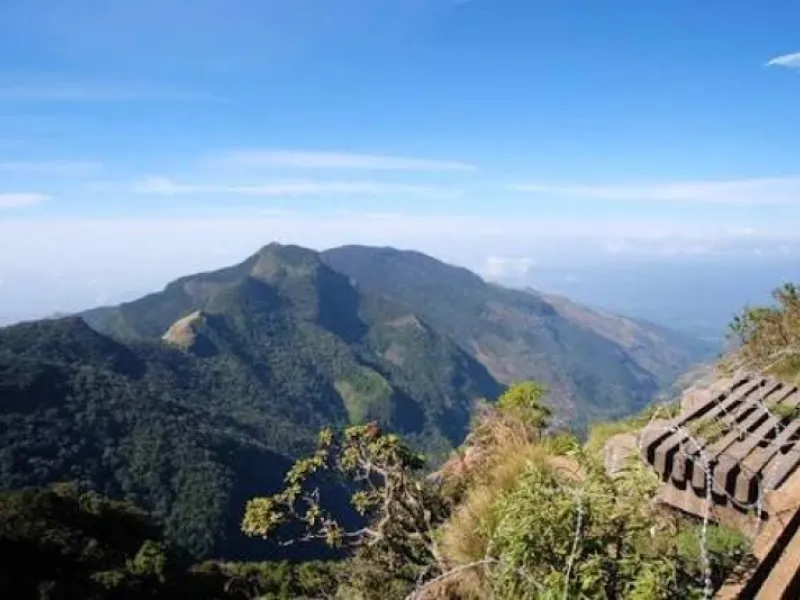
Travellers arriving by train can appreciate the green tea-covered hills and misty mountain landscapes that characterise Sri Lanka's central highlands.
The changing weather, morning mist, and dramatic highland scenery make the area attractive for landscape photography and nature appreciation.
Gateway to Nuwara Eliya
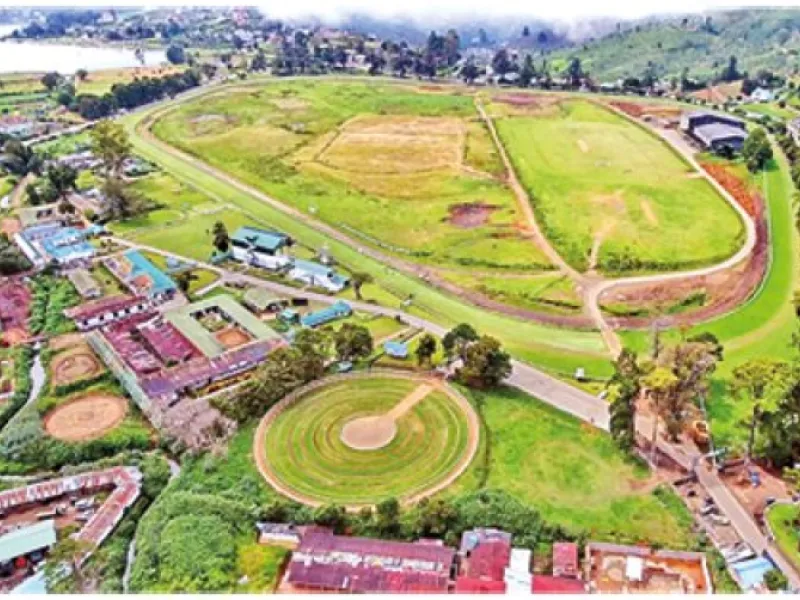
Nanu Oya Railway Station is located approximately 9 kilometres from Nuwara Eliya town.
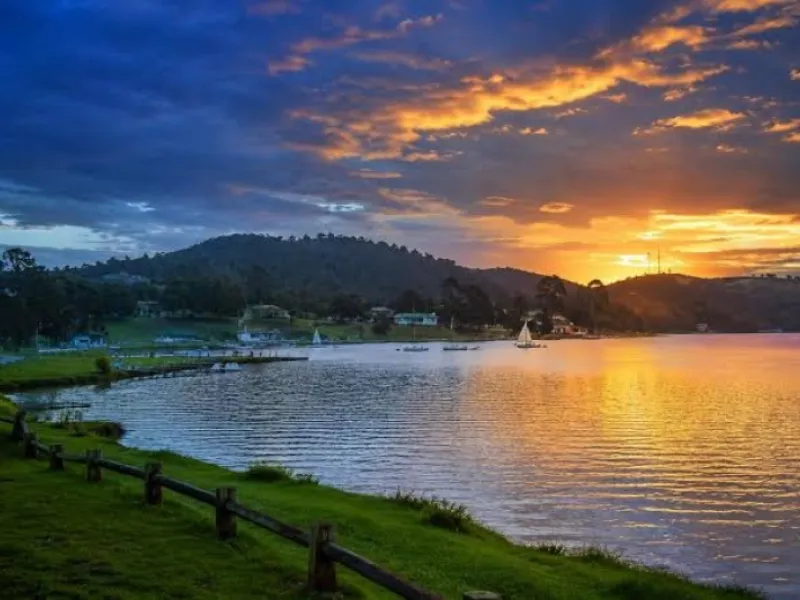
It serves as an important transportation connection for visitors travelling to popular attractions such as Gregory Lake, Victoria Park, Hakgala Botanical Garden, and the surrounding tea plantations.
Travellers can continue their journey from the railway station using taxis, three-wheelers, buses, or other locally available transport.
Its location makes it a convenient starting point for exploring the cultural and natural attractions of Nuwara Eliya.
A Memorable Railway Heritage Destination
Nanu Oya Railway Station is more than a transportation facility. It is a historic landmark that connects Sri Lanka's colonial railway heritage with the scenic beauty of the central highlands.
Whether arriving by train, departing for another hill-country destination, or appreciating the station's historic atmosphere, visitors can experience an important part of Sri Lanka's railway culture.
Visitors are encouraged to follow railway safety regulations, respect station operations, and enjoy the surroundings responsibly.