අන්තර්ගතයට යන්න
Tap to Lanka

හැටන් දුම්රිය ස්ථානය

නුවරඑළිය, නුවරඑළිය දිස්ත්‍රික්කය

මාර්ගය ලබා ගන්න

Discover Hatton Railway Station, a historic colonial-era railway landmark established in 1884. Surrounded by scenic tea plantations and misty highland landscapes, the station showcases Sri Lanka's railway heritage and serves as an important gateway to Adam's Peak and the central hill country.

පැමිණීමට හොඳම කාලය
Morning or late afternoon
විවෘත වේලාවන්
access depends on train services and railway regulations.
ඇතුළුවීමේ ගාස්තුව
Train tickets vary by destination
ඇඳුම් නීති
Comfortable clothing, a light jacket, and suitable walking shoes.
අවශ්‍ය කාලය
20 to 45 minutes

විශේෂාංග

  • Historic railway station established in 1884
  • British colonial-era railway architecture
  • Important landmark of Sri Lanka's railway heritage
  • Historic connection to coffee and tea plantation transportation
  • Former terminus of the Main Line before its extension to Nanu Oya
  • Traditional station buildings and covered platforms
  • Scenic hill-country railway journeys
  • Beautiful tea plantation and mountain surroundings
  • Important railway gateway to Adam's Peak
  • Railway architecture and train photography opportunities
  • Cultural and commercial significance in Hatton town
  • Historic transportation landmark in Nuwara Eliya District

Hatton Railway Station Heritage Building - A Historic Gateway to Sri Lanka's Hill Country

Hatton Railway Station Heritage Building is a historic railway landmark located in Hatton town, Nuwara Eliya District, Sri Lanka's Central Province. Established during the British colonial period, the station reflects the development of Sri Lanka's railway network and its important connection with the country's plantation industry.

Surrounded by green hills, tea estates, and cool mountain landscapes, Hatton Railway Station serves as both an active transportation centre and a reminder of the region's colonial railway heritage.

Historical Background and Colonial Railway Heritage

Hatton Railway Station officially opened on 4 June 1884, following the extension of the railway line from Nawalapitiya to Hatton.

The station was initially developed to support transportation for coffee plantations and later became closely associated with the growing tea industry.

During the British colonial period, railway expansion played a major role in connecting the central highlands with Colombo, allowing plantation products, equipment, and passengers to travel more efficiently.

Hatton served as the terminus of the Main Line until the railway was extended to Nanu Oya in 1885.

Colonial Architecture and Heritage Features

Hatton Railway Station retains features associated with traditional colonial-era railway architecture, including its station buildings, covered platforms, pitched roofs, and railway facilities.

The station's historical appearance reflects the practical architectural style used in Sri Lanka's hill-country railway network.

Visitors can appreciate the station's architectural character and observe its continuing role in railway transportation.

The combination of historic buildings, railway platforms, and surrounding highland scenery makes the station an interesting destination for railway heritage enthusiasts.

Connection to Sri Lanka's Tea Industry

Hatton is one of Sri Lanka's important tea-growing regions, surrounded by numerous tea estates and plantation settlements.

The development of the railway played an essential role in transporting plantation products and supporting commercial activities throughout the central highlands.

Hatton Railway Station contributed to the growth of the town as a commercial and transportation centre serving the surrounding plantation communities.

Today, the station remains closely connected to the region's tea heritage and economic history.

Scenic Highland Railway Journeys

Hatton Railway Station is located along Sri Lanka's Main Line, one of the country's most scenic railway routes.

Train journeys through the surrounding region offer views of tea plantations, green valleys, mist-covered hills, and mountain landscapes.

The railway environment provides opportunities for photography and appreciation of Sri Lanka's historic hill-country transportation network.

Visitors should remain within permitted passenger areas and follow all railway safety regulations.

Gateway to Adam's Peak

Hatton Railway Station is an important arrival point for pilgrims and travellers visiting Adam's Peak, also known as Sri Pada.

During the annual pilgrimage season, many visitors travel through Hatton before continuing towards the Nallathanniya trailhead.

The station plays an important role in connecting religious tourism with the regional transportation network.

Its association with Adam's Peak makes Hatton a significant travel hub for both domestic and international visitors.

Cultural and Regional Importance

Beyond its railway history, Hatton Railway Station reflects the cultural and economic development of Sri Lanka's plantation communities.

The station has served generations of passengers, workers, traders, and pilgrims, connecting towns and rural settlements throughout the central highlands.

Its historical importance and continuing operations make it a meaningful landmark within Hatton's urban and cultural landscape.

A Valuable Railway Heritage Destination

Hatton Railway Station Heritage Building is an interesting destination for history enthusiasts, railway lovers, photographers, and travellers exploring Sri Lanka's central highlands.

Its colonial-era origins, plantation connections, mountain scenery, and importance as a gateway to Adam's Peak create a distinctive visitor experience.

Visitors are encouraged to respect the historic station environment, follow railway safety instructions, and appreciate the building's role in Sri Lanka's transportation heritage.
ඡායාරූප

යන ආකාරය

Hatton Railway Station Heritage Building is located in Hatton town, Nuwara Eliya District, Sri Lanka's Central Province. Visitors travelling from Colombo can reach Hatton by train along the Main Line towards the central highlands, passing through scenic landscapes and plantation regions. Travellers from Kandy can use available train services through Peradeniya Junction, Gampola, and Nawalapitiya towards Hatton. Visitors arriving from Nuwara Eliya can travel by road towards Hatton using the regional road network, while travellers from Nanu Oya can use available railway connections. The station is situated near the commercial centre of Hatton town and can be approached using local roads, buses, taxis, and three-wheelers. Hatton Railway Station is also a major transport connection for travellers continuing towards Nallathanniya and Adam's Peak. Use GPS coordinates 6.89315, 80.59792 to locate the railway station. Visitors should confirm the correct entrance, train schedules, and platform arrangements before travelling.

නරඹන්නන් සඳහා උපදෙස්

Check official train schedules and ticket availability before visiting. Arrive early, especially during the Adam's Peak pilgrimage season. Carry a light jacket because the highland climate can be cool. Keep your train tickets and personal belongings secure. Follow railway safety instructions and stay behind platform safety markings. Never walk on railway tracks or enter restricted areas. Take photographs only in permitted areas without disturbing passengers. Arrange onward transportation in advance if travelling to Adam's Peak. Respect the station's historic buildings and railway facilities. Keep the station surroundings clean and avoid littering. Follow instructions provided by railway staff.

නිතර අසන ප්‍රශ්න

Where is Hatton Railway Station Heritage Building located?

Hatton Railway Station Heritage Building is located in Hatton town, Nuwara Eliya District, Sri Lanka's Central Province. It is situated along the Colombo–Badulla Main Line, between Rosella and Kotagala railway stations. The station is accessible by train and through the local road network serving Hatton town.

Why is Hatton Railway Station historically important?

Hatton Railway Station opened on 4 June 1884 during British colonial rule. It was established to support the transportation needs of coffee and tea plantations in Sri Lanka's central highlands. The station served as the terminus of the Main Line until the railway was extended to Nanu Oya in 1885, making it an important landmark in the country's railway and plantation history.

What can visitors experience at Hatton Railway Station?

Visitors can appreciate the station's traditional railway architecture, observe train arrivals and departures, and learn about its connection to Sri Lanka's colonial railway heritage. The surrounding hill-country railway route offers scenic views of tea plantations and mountains. Photography is possible from permitted areas without disturbing railway operations.

What are the opening hours and entrance fees for Hatton Railway Station?

Hatton Railway Station is an operational railway station, and passenger access depends on train schedules and railway regulations. Train fares vary according to destination, service, and travel class. Visitors interested in heritage sightseeing should confirm any platform-access requirements and photography restrictions with station staff.

What is the best time to visit Hatton Railway Station, and what should visitors know?

Morning and late afternoon are generally suitable for enjoying the station's atmosphere and highland scenery. Visitors should check official train schedules, follow platform safety instructions, and avoid restricted railway areas. During the Adam's Peak pilgrimage season, the station may experience increased passenger activity, so advance travel planning is recommended.

අමුත්තන්ගේ සමාලෝචන

තවම සමාලෝචන නැත. මෙහි ගොස් තිබේද? අනෙක් අමුත්තන්ට ඔබගේ උපදෙස් බෙදාගන්න.

සමාලෝචනයක් ලිවීමට පුරනය වන්න
සංස්කරණයක් යෝජනා කරන්න හෝ වැරදි තොරතුරු වාර්තා කරන්න

අවට තවත් ස්ථාන

සියල්ල බලන්න →
නුවරඑළිය තුරඟ තරග පිටිය
ඓතිහාසික සහ උරුම ස්ථාන

නුවරඑළිය තුරඟ තරග පිටිය

නුවරඑළිය, නුවරඑළිය දිස්ත්‍රික්කය

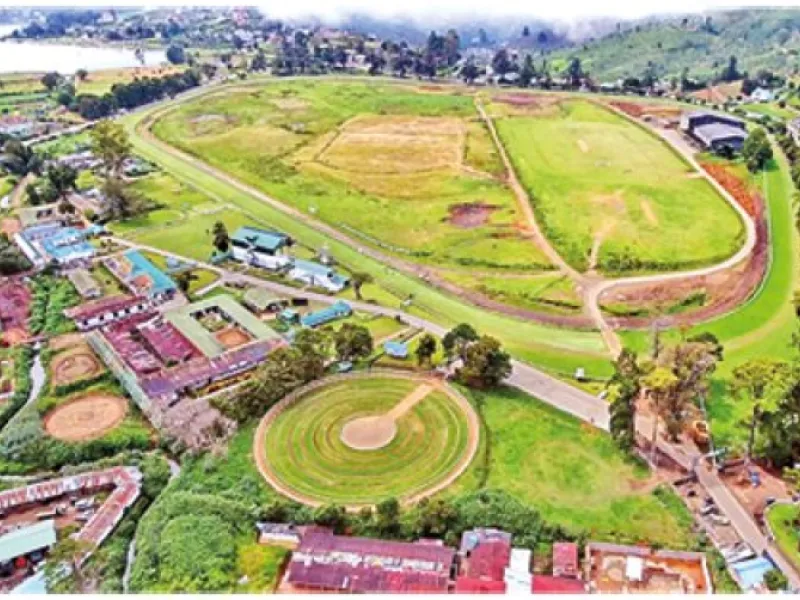
Explore Nuwara Eliya Racecourse Grounds, a historic horse-racing venue established in 1875. Surrounded by beautiful green hills and cool mountain scenery, the racecourse is famous for its colonial sporting heritage, annual April horse races, and prestigious Governor's Cup celebrations.

නානුඔය දුම්රිය ස්ථානය
ඓතිහාසික සහ උරුම ස්ථාන

නානුඔය දුම්රිය ස්ථානය

නුවරඑළිය, නුවරඑළිය දිස්ත්‍රික්කය

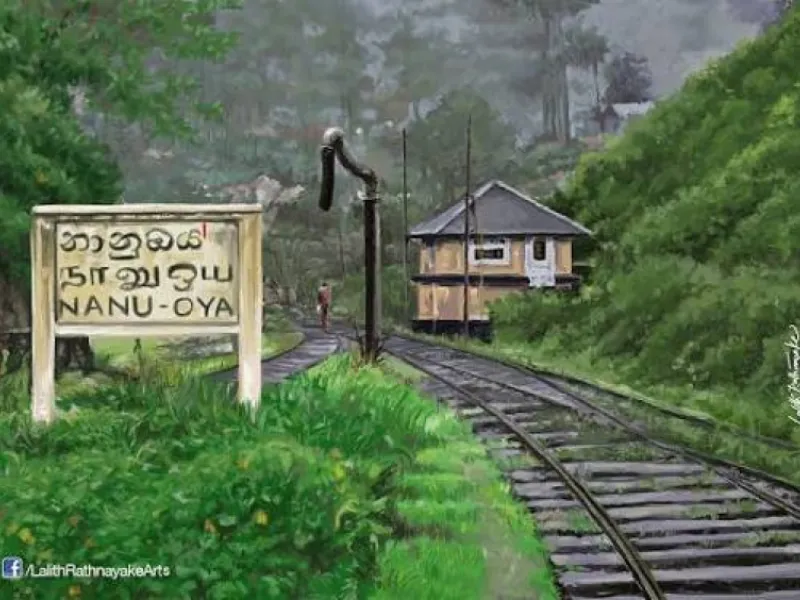
Discover Nanu Oya Railway Station, a historic railway landmark and the main train gateway to Nuwara Eliya. Established in 1885, the station is known for its beautiful hill-country railway journeys, colonial-era heritage, surrounding tea plantations, and scenic mountain landscapes.

කඩදොර විහාරය නටබුන්
ඓතිහාසික සහ උරුම ස්ථාන

කඩදොර විහාරය නටබුන්

නුවරඑළිය, නුවරඑළිය දිස්ත්‍රික්කය

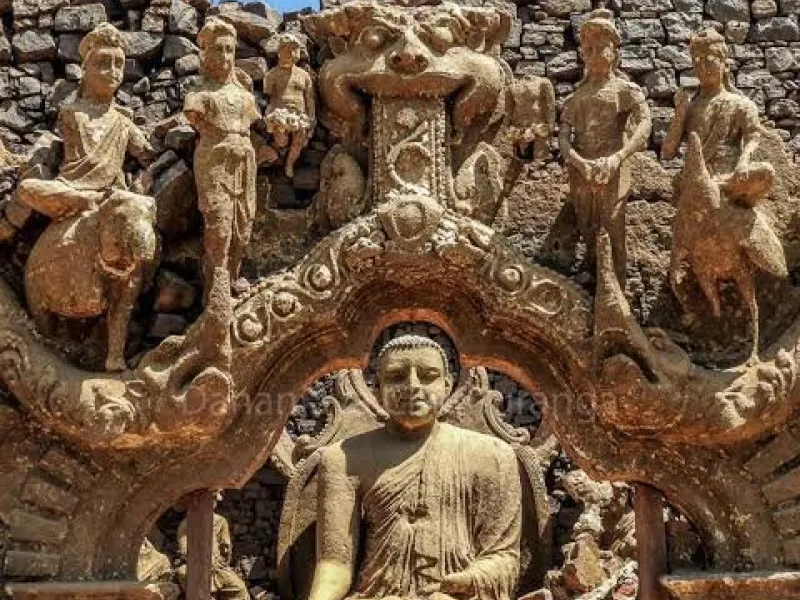
Discover Kadadora Temple Remains in Kotmale, a historic Buddhist shrine submerged beneath Kotmale Reservoir. During exceptionally low water levels, its Buddha statues, carved stone structures, and temple ruins reappear, offering a rare glimpse into Sri Lanka's lost religious heritage and the history

හෝර්ටන් තැන්න ජාතික වනෝද්‍යානය
ජාතික වනෝද්‍යාන සහ වනජීවී අනිවාර්යයෙන් බලන්න

හෝර්ටන් තැන්න ජාතික වනෝද්‍යානය

Hatton, නුවරඑළිය දිස්ත්‍රික්කය

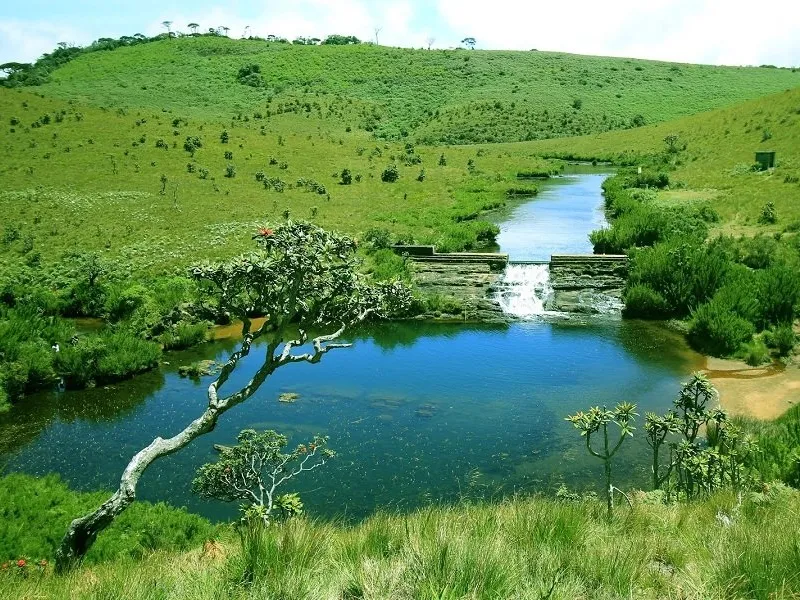
Horton Plains National Park is a UNESCO-listed natural wonder in Sri Lanka's Central Highlands, famous for its misty grasslands, cloud forests, World's End viewpoint, Baker's Falls and diverse wildlife.

ලෝකාන්තය
කඳු, කඳු නැගීම් සහ දසුන් ස්ථාන අනිවාර්යයෙන් බලන්න

ලෝකාන්තය

Hatton, නුවරඑළිය දිස්ත්‍රික්කය

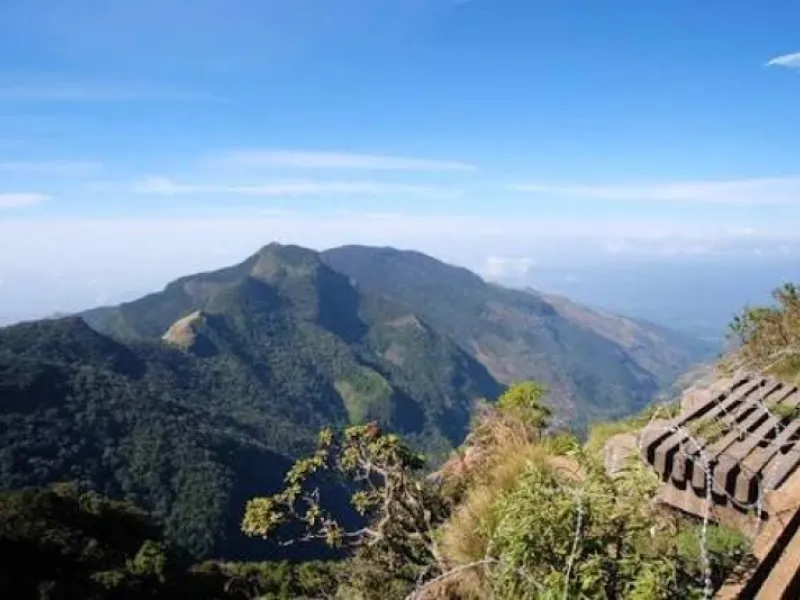
World's End is a spectacular cliff viewpoint in Horton Plains National Park, famous for its dramatic vertical drop and breathtaking panoramic views of Sri Lanka's Central Highlands, valleys and distant southern coastline.

ග්‍රෙගරි වැව
වැව් සහ ජලාශ

ග්‍රෙගරි වැව

නුවරඑළිය, නුවරඑළිය දිස්ත්‍රික්කය

Gregory Lake is a reservoir in Nuwara Eliya, Sri Lanka, built in 1873 under British Governor Sir William Gregory. Covering 91.2 hectares, it is a recreational area offering boating, pony riding, walking paths, picnic areas, and lakeside activities.

මාර්ගය ලබා ගන්න ගමන සැලසුම් කරන්න